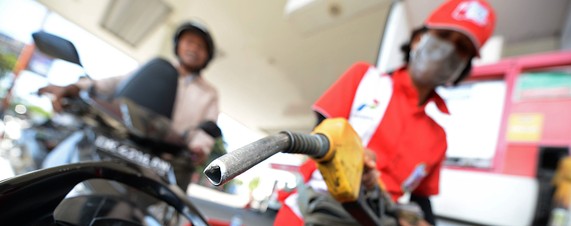
Indonesian Finance Minister Sri Mulyani Indrawati has announced that the government has decided not to raise fuel subsidies as part of its efforts to maintain the stability of the national economy. She explained that this decision is made in light of the economic challenges facing the country, particularly for low-income groups that are suffering from rising living costs.
Indrawati pointed out that increasing fuel prices could exacerbate the living conditions of citizens, as low-income groups would bear the brunt of this increase. She considered this decision a necessary step to maintain the balance of the national economy, especially amid unstable global conditions.
Details of the Announcement
In a press conference held in the capital Jakarta, Indrawati confirmed that the government takes into account the direct impacts on citizens when making decisions related to fuel prices. She clarified that raising fuel prices would not only increase the burdens on citizens but would also negatively affect overall economic growth.
She also added that the government aims to achieve greater efficiency in managing financial resources without imposing additional burdens on citizens. Indrawati emphasized that the government will work on improving the efficiency of public spending instead of relying on raising fuel prices as a means of revenue generation.
Background & Context
Historically, Indonesia has faced numerous economic challenges, particularly due to fluctuations in global oil prices. These fluctuations have put pressure on the government to adjust its financial and economic policies. In recent years, there have been calls to raise fuel prices as a means to expand the government's fiscal space, but these calls often face opposition from citizens.
Indonesia is considered one of the largest fuel consumers in Southeast Asia, heavily relying on fossil fuels to meet its energy needs. However, the government is also striving to promote the use of renewable energy sources as part of its strategy to reduce dependence on fossil fuels.
Impact & Consequences
The government's decision not to raise fuel prices is expected to positively impact low-income groups, as it will help alleviate living costs. However, this decision may lead to a reduction in government revenues, which could affect the government's ability to implement development projects.
This decision also reflects the challenges governments face in balancing economic stability with protecting citizens. Amid global economic crises, governments must make difficult decisions that may impact long-term economic growth.
Regional Significance
Indonesia's experience in managing fuel subsidies is particularly significant for Arab countries, which face similar challenges in managing fuel prices. In many Arab nations, fuel prices are a key factor affecting the economy, as price increases can lead to public protests.
Arab countries can learn from Indonesia's experience in achieving a balance between maintaining economic stability and protecting citizens. Additionally, enhancing the efficiency of public spending could be an effective solution to address economic challenges.
In conclusion, the Indonesian government's decision not to raise fuel subsidies highlights the importance of balancing financial policies with social needs. The current economic situation requires strategic thinking to ensure economic stability while protecting citizens at the same time.