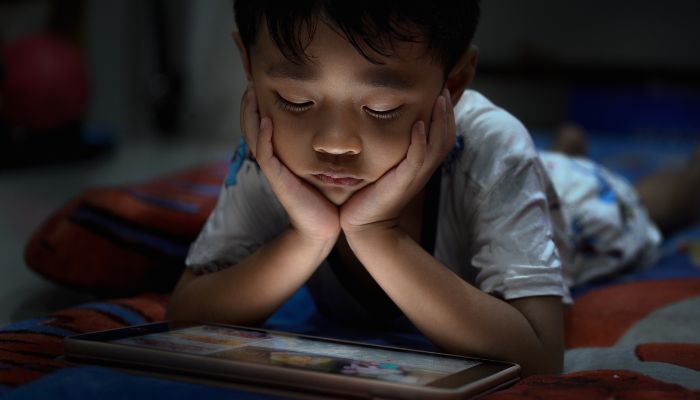
In a move aimed at safeguarding children from the risks associated with social media, Indonesia's Minister of Primary and Secondary Education, Abdul Muti, has urged telecommunications providers to cooperate with the government in enforcing restrictions on the use of these platforms, particularly for children under the age of 16. This announcement was made during a celebratory event in the city of Makassar, where the minister emphasized that the government does not seek to ban social media usage but rather to regulate it to protect children from negative influences.
Abdul Muti noted that the government has already issued Government Regulation No. 17 of 2025 concerning the management of the electronic system for child protection, along with a joint decree from six ministries regarding the regulation of social media use. He explained that the goal of these measures is to define the age groups that are permitted to use these services, which necessitates cooperation from service providers in this area.
Event Details
During his address, the minister mentioned that there are eight major social media services that will be subject to special monitoring, including platforms such as TikTok and YouTube. He stressed the importance of parental involvement in monitoring their children's use of these platforms, emphasizing the need to provide a safe environment for them while engaging with social media at home.
He also pointed out the importance of self-regulation, indicating that this oversight should come from the children themselves and their families. In this way, the minister aims to raise awareness among families about the potential risks associated with social media usage.
Background & Context
These steps come amid growing global concerns regarding the impact of social media on children and adolescents. Numerous studies have shown that excessive use of these platforms can lead to psychological and behavioral issues, such as depression and anxiety. In Indonesia, where youth constitute a significant portion of the population, these concerns require a swift and effective response from both the government and society.
In recent years, Indonesia has witnessed a notable increase in social media usage, leading to new challenges related to digital safety and child protection. Therefore, regulating the use of these platforms is deemed a necessary step to ensure the safety of children and adolescents.
Impact & Consequences
These measures are expected to reduce children's exposure to harmful online content, potentially contributing to improved mental health and social behavior. Additionally, collaboration between the government and telecommunications providers may pave the way for the development of new tools to monitor social media usage.
However, the government may face challenges in implementing these policies, especially given the varying opinions on freedom of expression and user rights. Thus, there must be careful balances between protecting children and ensuring freedom of access to information.
Regional Significance
This initiative from Indonesia serves as a model that Arab countries could benefit from, as many of these nations face similar challenges regarding social media use among youth. With the increasing internet usage in the Arab world, the need to regulate the use of these platforms is becoming increasingly significant.
Arab countries can learn from Indonesia's experiences in establishing effective policies to protect children and adolescents, while considering the cultural and religious values unique to each nation. Raising family awareness about the risks of social media is an important step towards creating a safe environment for children.