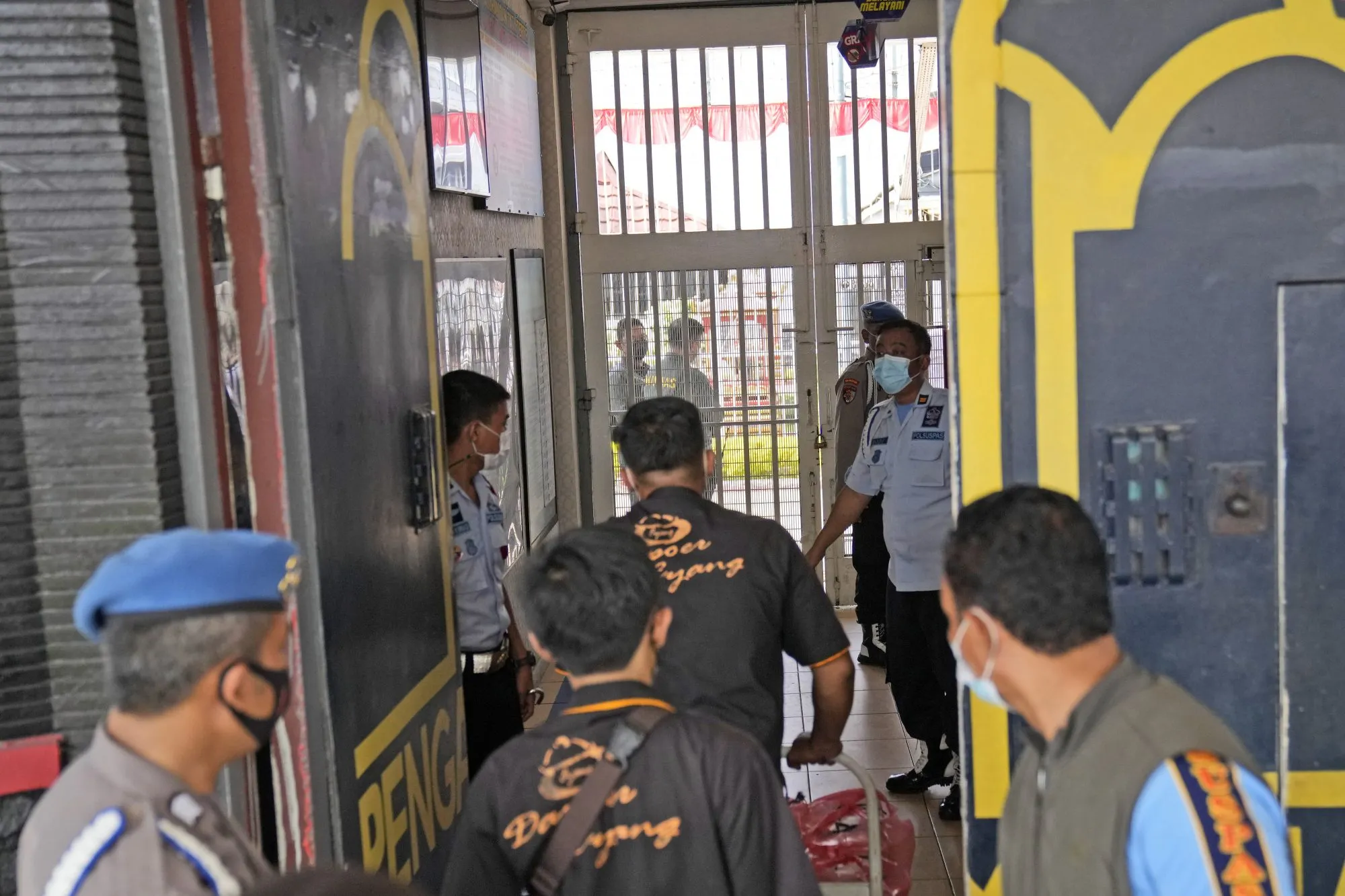
The Indonesian Directorate General of Corrections (Ditjenpas), under the Ministry of Law and Human Rights, has announced its commitment to implementing a work-from-home (WFH) policy in response to directives from the central government. The director general of the agency, Masjudi, confirmed that the agency is awaiting an official decision from the ministry to establish the remote work mechanism.
Masjudi explained during a discussion following a morning meeting at the agency's headquarters in Jakarta that the agency will divide employees into two groups, with half working from home and the other half from the office, ensuring the continuity of services provided in prisons.
Details of the Work-from-Home Policy
As part of the implementation of the work-from-home policy, the Directorate General of Corrections will establish a specific mechanism to ensure that the number of employees working in prisons and detention centers does not decrease. Masjudi emphasized that the agency will work to organize the services provided in prisons in a manner that guarantees necessary support and supervision.
He also pointed out the need to establish standards and procedures for work within prisons and detention centers to ensure service continuity and maintain work quality. He assured that working from home will not affect the number of employees present in prisons, as work will be organized to ensure that employees are present periodically.
Background & Context
This move is part of the Indonesian government's efforts to enhance the efficiency of government work and reduce costs, especially following the impacts of the COVID-19 pandemic, which prompted many institutions to reconsider traditional working methods. Remote work has become a popular option in many countries, contributing to improved productivity and reduced operational costs.
Historically, the Directorate General of Corrections in Indonesia has faced numerous challenges related to human resource management and effective service delivery. With the implementation of the work-from-home policy, officials hope to improve overall performance and reduce pressure on employees.
Impact & Consequences
The work-from-home policy is expected to positively affect the working environment within the Directorate General of Corrections, as it will help reduce congestion in offices and promote a better work-life balance for employees. Additionally, this policy may contribute to improving employee morale and increasing their productivity.
However, the biggest challenge remains how to ensure effective service delivery in prisons and detention centers, as this requires a sufficient number of employees to ensure the safety of inmates and provide necessary supervision.
Regional Significance
Many Arab countries are also moving towards implementing remote work policies, especially in light of the economic and social challenges they face. Indonesia's experience in this area could serve as a model for Arab countries seeking to improve the efficiency of government work.
In conclusion, this announcement represents an important step towards improving human resource management within the Indonesian Directorate General of Corrections and reflects the global trend towards adopting more flexible and effective working methods.