The Indonesian Ministry of Education (Kemendikdasmen) has announced the implementation of a work-from-home (WFH) policy for its employees, allowing them to work from home one day a week as part of the government's efforts to conserve energy in light of current global crises. This policy will take effect starting April 1, 2026, with the minister confirming that this decision aligns with government directives to support energy sustainability.
In a statement, the Minister of Education, Mohd, clarified that the work-from-home day will be on Fridays each week, meaning employees will only work in their offices for four days. He noted that this decision aims to ensure employees are prepared to attend the office on short notice if needed.
Details of the Initiative
This move comes at a time when Indonesia, like many other countries, is facing significant challenges due to global crises, including conflicts in the Middle East that are impacting energy prices. The minister emphasized that working from home is different from working from anywhere, as employees must commit to working from their homes to ensure their availability when required.
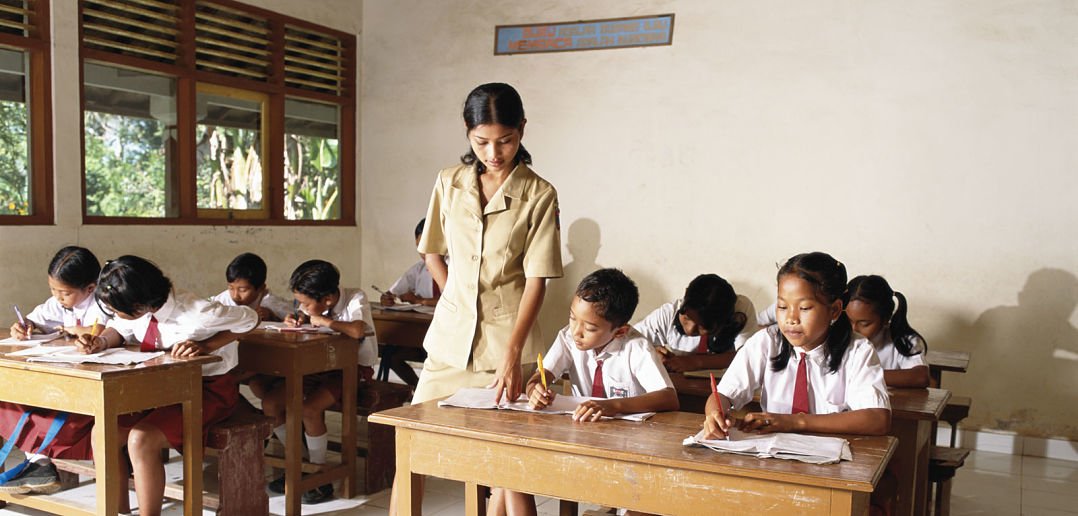
Additionally, educational activities in schools will continue as normal, with classes held in person for five days a week. The minister confirmed that there will be exceptions for certain services that require physical presence in the office, such as the integrated service unit that handles citizen complaints.
Background & Context
The work-from-home policy is one of the measures adopted by many countries during the COVID-19 pandemic, proving effective in reducing virus transmission and providing a flexible work environment. However, the implementation of this policy in Indonesia comes in a different context, aiming to address economic and environmental challenges.
Historically, Indonesia has undergone numerous changes in its educational and labor policies, with the government continuously striving to improve the work environment and conserve energy. This step reflects the government's commitment to adopting sustainable policies under the current circumstances.
Impact & Consequences
This policy is expected to affect the way employees work in Indonesia, enhancing work flexibility and alleviating pressure on public transportation. Additionally, reducing office workdays may contribute to lower energy consumption, aligning with the government's environmental goals.
However, the government may face challenges in implementing this policy, particularly regarding communication among employees and ensuring effective service delivery. The government must establish mechanisms to ensure the continuity of work and service provision to citizens without interruption.
Regional Significance
This initiative in Indonesia serves as a model that Arab countries could benefit from, especially given the economic and environmental challenges they face. This policy may inspire Arab governments to adopt similar strategies aimed at improving the work environment and conserving energy.
In conclusion, this policy reflects the Indonesian government's commitment to adopting sustainable strategies, which could contribute to enhancing the quality of life for both employees and citizens alike.