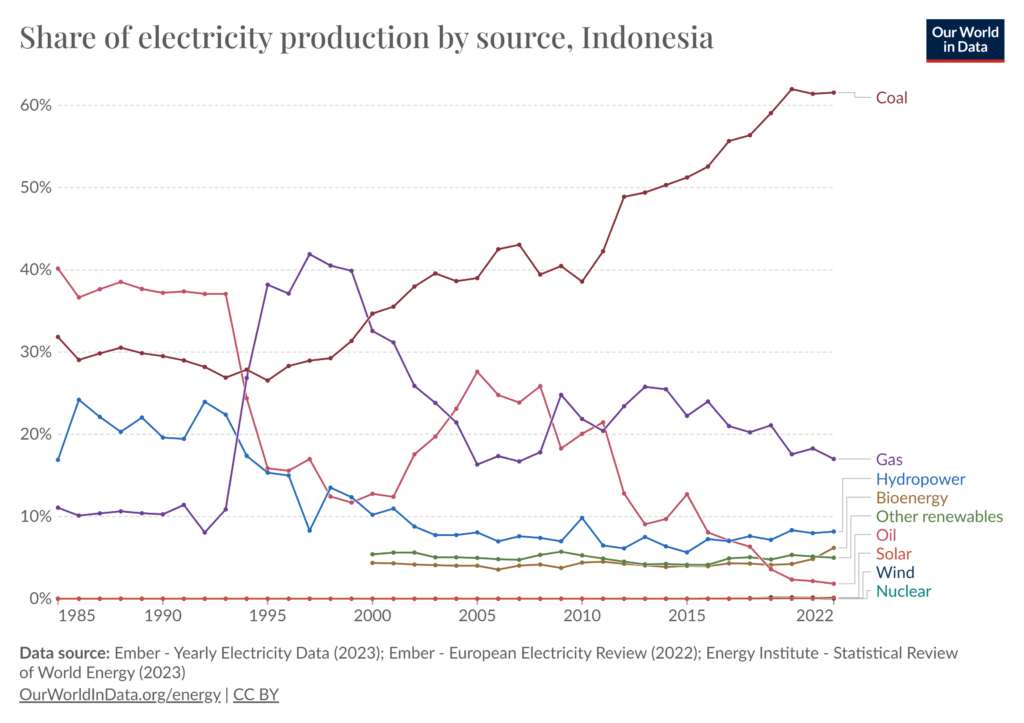
The Indonesian government has announced ambitious plans to increase wind power capacity (PLTB) to 7,187.5 megawatts by 2034. This step is part of the government's strategy to enhance renewable energy use and reduce reliance on fossil fuels, reflecting Indonesia's commitment to achieving sustainable development goals.
Indonesia aims to boost its capacity to produce clean energy, as wind energy is one of the promising renewable sources in the country. These plans come at a time when Indonesia is witnessing a surge in energy demand due to population growth and economic expansion.
Details of the Initiative
The Indonesian government's plan includes increasing the number of wind farms across the country, with new stations being established and existing ones expanded. These projects are expected to create new job opportunities and bolster the local economy. Additionally, these plans will help reduce carbon emissions and improve air quality, benefiting public health.
Indonesia is considered one of the largest countries in the world in terms of natural potential for wind energy generation, boasting a suitable climate and extensive coastal areas. These projects are anticipated to play a vital role in achieving the government's renewable energy goals.
Background & Context
Historically, Indonesia has relied on fossil fuels as its primary energy source, leading to increased carbon emissions and environmental degradation. With growing global awareness of climate change, the Indonesian government has begun taking serious steps toward transitioning to renewable energy sources. National strategies have been established to increase the share of renewable energy in the national energy mix.
In recent years, Indonesia has seen a rise in investments in the renewable energy sector, including solar and wind energy. These investments have contributed to improving energy infrastructure and enhancing the country's production capacity.
Impact & Consequences
This initiative is a significant step toward achieving Indonesia's renewable energy goals, as it is expected to reduce reliance on fossil fuels and promote environmental sustainability. Furthermore, these projects will help improve the country's energy security and provide clean, sustainable energy for its citizens.
Moreover, increasing wind power capacity will enhance Indonesia's ability to address challenges related to climate change, making it a model for the region. These plans may also encourage other Southeast Asian countries to take similar steps toward transitioning to renewable energy.
Regional Significance
Indonesia's experience in promoting renewable energy could serve as an inspiration for Arab countries facing similar energy challenges. Many Arab nations possess significant potential in solar and wind energy, enabling them to achieve a similar transition toward clean energy.
Investments in renewable energy present an opportunity to enhance cooperation between Arab countries and Southeast Asian nations, contributing to sustainable development in the region. Additionally, sharing expertise and technologies in this field could accelerate the transition to clean energy in Arab countries.