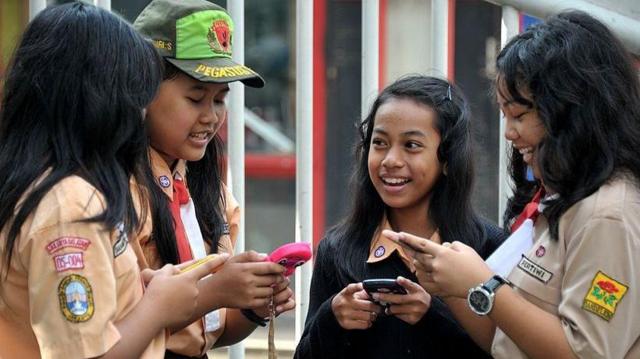
Indonesia has announced new steps aimed at protecting children from the dangers of social media, with the Vice President of the Indonesian Information and Communication Technology Business Association, Alfonso Tanu Jaya, affirming that Indonesia can be an inspiration for other countries in this area. This initiative is part of the Child Protection Law in the digital space, which aims to restrict children's access to social media platforms.
The new law, known as PP Tunas, is part of government efforts to protect the next generation in the age of digital technology. This law targets over 70 million Indonesian children, making Indonesia one of the leading countries in the world in this field.
Event Details
Indonesia is one of the largest countries in the world in terms of internet users, with over 200 million users. Alfonso noted that this law could serve as a model for other countries, as they can monitor how Indonesia implements this policy and how electronic service providers respond.
He also pointed out that many countries, including Malaysia, are closely watching what is happening in Indonesia, indicating the importance of this step on both regional and international levels.
Background & Context
In recent years, governments around the world have begun imposing restrictions on access to social media, especially for children, due to associated risks such as addiction and violence in the digital space. Indonesia, considered a leader in this area in Southeast Asia, hopes that this step will mark the beginning of positive change in how children interact with technology.
This law comes at a time when concerns are growing about the impact of social media on children, with studies showing that excessive use of these platforms can lead to psychological and behavioral issues.
Impact & Consequences
If Indonesia successfully implements this law effectively, it is likely that other countries in the region and the world will follow suit, potentially leading to significant changes in how the digital space is regulated. This could also contribute to improving children's safety online and reducing the risks associated with uncontrolled use of social media.
This step is also a call to global platforms such as Facebook and Google to comply with the new laws, as the Indonesian government has issued warnings to these companies to adhere to the new regulations aimed at protecting children.
Regional Significance
Arab countries also face similar challenges regarding children's use of social media. Indonesia's experience may serve as an inspiration for Arab nations to develop similar policies to protect children from digital risks. Raising awareness about the dangers associated with the internet can help build a safer community for children in the Arab world.
In conclusion, Indonesia's steps to restrict social media for children represent a model to be emulated, as they can contribute to protecting the next generation from digital risks and fostering a safe environment for them in the digital space.