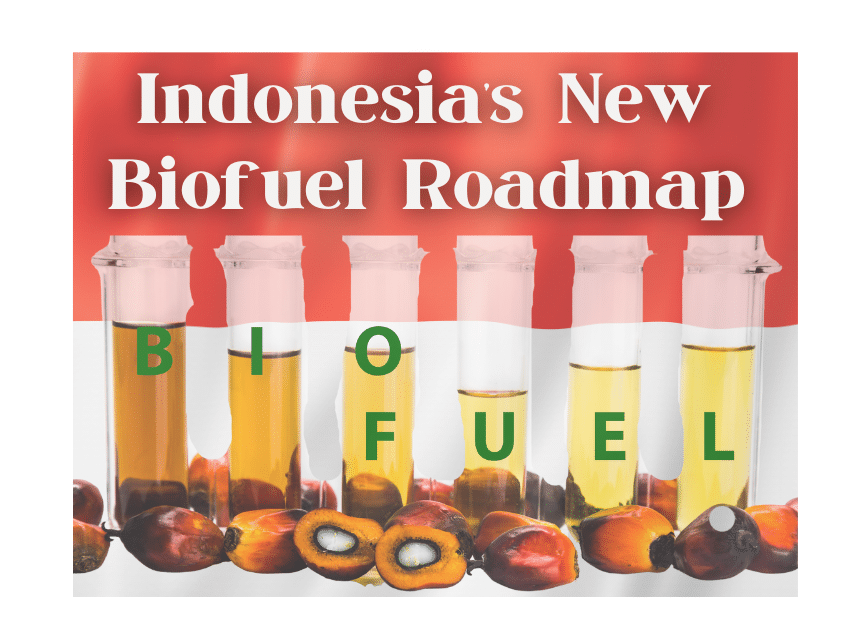
The Indonesian government has launched the Biofuel B50 program, which aims to reduce reliance on diesel imports by promoting the use of biofuels. According to Minister Andi Amran, this program is expected to decrease diesel imports by 5.3 million tons by 2026, contributing to increased agricultural production and higher farmer incomes.
This announcement comes at a time when Indonesia is facing multiple economic challenges, including rising fuel prices and significant dependence on imports. The B50 program is seen as a strategic step towards achieving energy self-sufficiency and minimizing the environmental impact associated with fossil fuel use.
Details of the B50 Program
The Biofuel B50 program relies on a blend of palm oil and diesel, with 50% of the fuel mix being biofuel. Minister Andi Amran clarified that this initiative will not only help reduce imports but will also support local farmers by increasing demand for palm oil, which is one of Indonesia's main crops.
The Indonesian government aims to meet its environmental goals by reducing carbon emissions, as the use of biofuels is considered a sustainable alternative to fossil fuels. This program is expected to create new job opportunities in the agriculture sector and related industries.
Background & Context
Historically, Indonesia has heavily relied on fuel imports to meet its energy needs. With increasing economic and environmental pressures, the government has begun exploring sustainable alternatives. In recent years, multiple steps have been taken to promote the use of biofuels, including farmer support programs and incentives for investments in this sector.
Indonesia is one of the largest producers of palm oil in the world, placing it in an ideal position to leverage this resource for biofuel production. However, challenges related to sustainability and environmental protection remain, necessitating a balance between agricultural production and the preservation of forests and natural resources.
Impact & Consequences
The B50 program is expected to have positive effects on the Indonesian economy, as it will help reduce reliance on imports and improve agricultural productivity. Additionally, this initiative may contribute to better environmental conditions by lowering carbon emissions.
However, careful implementation of the program is essential to ensure that it does not negatively impact forests and natural resources. Effective strategies are required to ensure the sustainability of agricultural production while protecting the environment.
Regional Significance
Indonesia's experience with biofuels serves as a model for Arab countries facing similar energy challenges. Arab nations can benefit from this experience by enhancing the use of renewable energy sources and reducing dependence on fossil fuels.
Furthermore, boosting agricultural production through similar programs could contribute to achieving food security in the region, thereby enhancing economic and social stability.
In conclusion, the Biofuel B50 program represents a significant step towards achieving economic and environmental sustainability in Indonesia, reflecting the global trend towards renewable energy sources. Other countries, including those in the Arab region, should leverage this experience to meet their energy and agricultural goals.