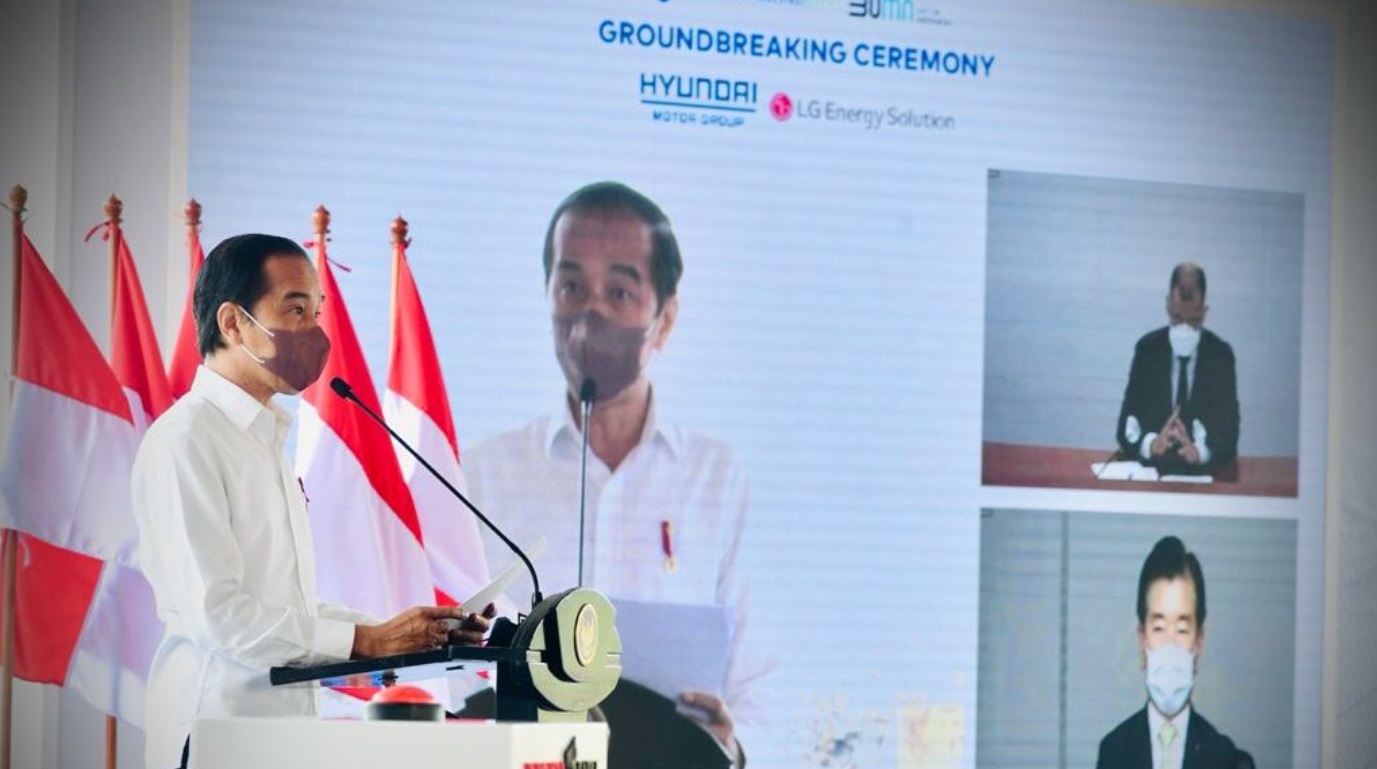
In line with the global shift towards sustainable energy, Indonesian State Minister Prasetyo Hadi announced the opening of a new electric vehicle factory in Magelang, Central Java, next Thursday, April 8. The factory will produce a variety of electric transportation means, including buses and trucks, as part of the government's strategy to bolster the local industry.
Hadi explained that this factory is part of the government's efforts to transition from reliance on fossil fuels to using renewable energy, including electricity, in the transportation sector. This move comes at a time when there is increasing global pressure to reduce carbon emissions and shift towards clean transportation.
Strategic Details of the New Factory
The new factory is considered a strategic step within the Indonesian government's policy to promote the use of alternative energy. Hadi noted that the government has issued a series of policies aimed at changing the country's energy consumption patterns, including encouraging citizens to use public transportation.
He also added that the government aims to reduce dependence on fossil fuels amid geopolitical changes affecting global oil prices. The factory is expected to create new job opportunities and boost the local economy.
Background & Context
Historically, Indonesia has undergone significant transformations in the energy sector, having heavily relied on fossil fuels. With increasing environmental awareness and international pressure, the government has begun taking serious steps towards transitioning to renewable energy. The opening of this factory is part of Indonesia's Vision 2045, which aims to achieve energy independence.
In recent years, Indonesia has also seen a rise in investments in the renewable energy sector, reflecting the government's commitment to enhancing this field. The new factory serves as a living example of this trend, aiming to meet both local and global market demands.
Impact & Consequences
This factory is expected to have a significant impact on the transportation sector in Indonesia. With the increase in electric vehicle production, reliance on fossil fuels may decrease, contributing to reduced environmental pollution. Additionally, this shift could encourage the development of new infrastructure, such as electric charging stations.
Moreover, the factory could enhance Indonesia's competitiveness in the global electric vehicle market, which is one of the fastest-growing sectors in the world. The government hopes that this factory will attract more foreign and local investments.
Regional Significance
The establishment of this factory is not only crucial for Indonesia but also serves as a model for other countries in the region, particularly in the Arab world, in their pursuit of reducing oil dependency and transitioning to renewable energy. It highlights Indonesia's commitment to sustainable development and energy independence.
In conclusion, this factory represents a vital step towards achieving environmental sustainability and reducing reliance on fossil fuels, reflecting Indonesia's dedication to meeting sustainable development goals.