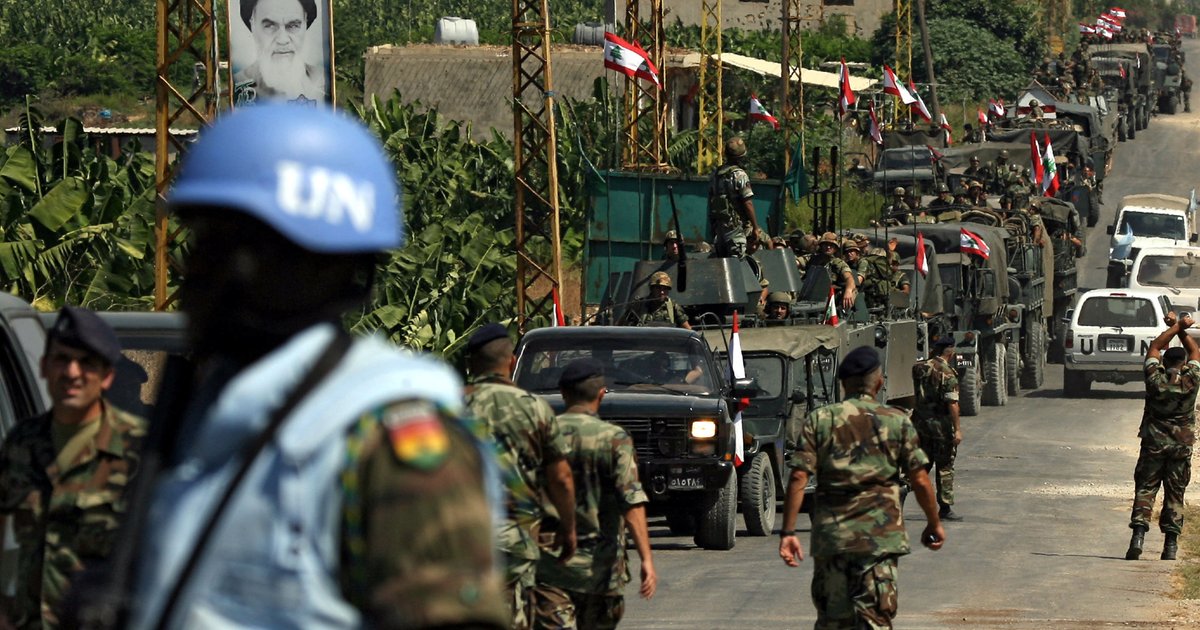
Indonesia and Lebanon have strongly condemned the attack on the United Nations peacekeeping forces (UNIFIL) in southern Lebanon, which led to the death of one Indonesian soldier and injuries to others. The incident occurred on Sunday, March 29, when Indonesian troops were subjected to artillery shelling in an area close to their location.
Indonesian Foreign Minister Retno Marsudi held a phone conversation with her Lebanese counterpart Youssef Raji, expressing Indonesia's deep concern regarding the incident. Marsudi emphasized the necessity of respecting the safety and security of peacekeeping forces at all times, in accordance with international law.
Details of the Incident
The incident that took place in Adchit al-Qasr in southern Lebanon resulted in the death of Brigadier Farizal Romadon, an Indonesian soldier, while three other soldiers were injured: Brigadier Riko Pramudia, Brigadier Baio Prakasou, and Brigadier Arif Kurniawan. The injured soldiers were transported to medical facilities for treatment, with Riko admitted to St. George's Hospital in Beirut for intensive care.
Lebanese Foreign Minister Youssef Raji expressed his condolences for the death of the Indonesian soldier, praising the sacrifices made by Indonesian forces in maintaining security and stability in the region. Raji underscored the importance of cooperation between the two countries in promoting peace.
Background & Context
The presence of United Nations peacekeeping forces in Lebanon (UNIFIL) dates back to 1978, when it was established to monitor the ceasefire between Lebanon and Israel. Since then, these forces have played a vital role in maintaining stability in the region, despite ongoing security challenges. Currently, there are approximately 756 Indonesian soldiers within UNIFIL, reflecting Indonesia's commitment to participating in international peace efforts.
Attacks on peacekeeping forces are not new, as these troops have faced several assaults in the past, raising concerns about the safety of international soldiers in conflict areas. These incidents reflect the ongoing tensions in the region, which require a coordinated international response.
Impact & Consequences
The recent attack could escalate tensions between the conflicting parties in Lebanon and heighten concerns regarding the safety of peacekeeping forces. The international community is expected to call for urgent action to investigate the incident and ensure the protection of international troops. Additionally, this incident may affect the relations between Indonesia and Lebanon as both countries seek to enhance security cooperation.
Moreover, this attack may prompt a reassessment of the United Nations' strategies in the region, as the international organization must enhance protective measures for its forces in conflict zones.
Regional Significance
This incident highlights the security challenges facing the Arab region, where armed conflicts continue to impact regional stability. It also reflects the importance of cooperation between Arab states and other nations in promoting security and peace. Attacks on peacekeeping forces could lead to a deterioration of the security situation in Lebanon, affecting neighboring countries and complicating humanitarian crises.
In conclusion, the situation in Lebanon requires an urgent response from the international community to ensure the safety of peacekeeping forces and promote stability in the region. The cooperation between Indonesia and Lebanon serves as a model for international efforts to achieve peace.