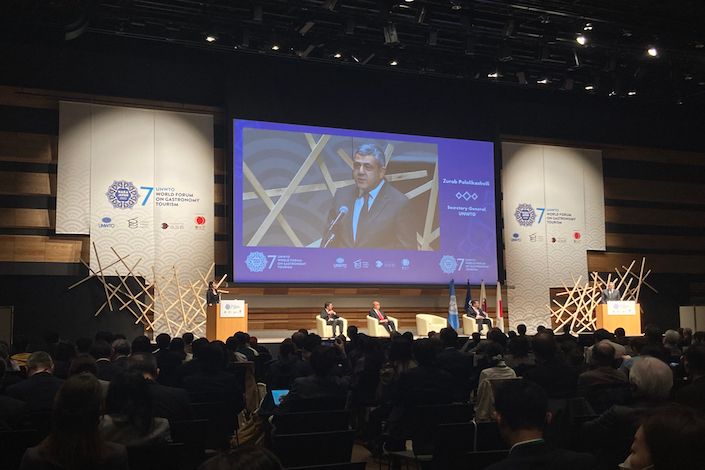
The Indonesian Ministry of Tourism has expressed a strong interest in developing culinary tourism, drawing inspiration from Japan's successful experience in this area. This announcement came during an official meeting in Jakarta between Indonesian Tourism Minister Widi Yanti Putri Wardana and a delegation from the Japan Tourism Agency led by Commissioner Shigeki Morita.
The minister explained that Indonesia aims to develop the "Wonderful Culinary Tourism in Indonesia" program, highlighting the importance of adopting Japanese strategies that have made food a core part of the tourism attraction. She expressed hope that the Japan Tourism Agency would be a partner in developing the culinary tourism network targeted by the ministry by 2026.
Details of the Meeting
During the meeting, the minister emphasized the importance of learning from the Japanese experience, which aims to attract 60 million international tourists by 2030. She considered these ambitious goals to reflect Japan's ability to enhance its position as a global tourist destination by focusing on the quality of the tourism experience.
The discussion also touched on the significance of culinary tourism as part of the cultural identity of nations, where Japan has successfully used its cuisine as a means to enhance its tourism image on the global stage. The minister noted that Indonesia is working to enhance its competitiveness by developing high-quality tourist destinations and managing tourist flows sustainably.
Background & Context
Historically, culinary tourism is one of the most important elements of tourist attraction in many countries, playing a vital role in boosting the local economy. Indonesia, as a country rich in cultural diversity and cuisine, has significant opportunities to develop this sector. In recent years, the Indonesian government has begun to focus on tourism as a driver of economic growth, highlighting the importance of culinary tourism as part of this strategy.
On the other hand, Japan serves as a model in this field, having made its cuisine an integral part of the tourist experience, which has contributed to the overall enhancement of tourism. Studies have shown that tourists tend to spend more money on food experiences compared to other activities, making this sector particularly significant.
Impact & Consequences
This move by Indonesia is a strategic step aimed at enhancing tourism cooperation between the two countries, which could lead to an increase in the number of exchanged tourists and strengthen cultural relations. Collaboration in culinary tourism can open new horizons for cultural and economic exchange between Indonesia and Japan.
Moreover, focusing on developing culinary tourism can contribute to improving Indonesia's image as a global tourist destination, thereby enhancing its competitiveness in the global tourism market. This collaboration may also lead to improved quality of tourism services in Indonesia, benefiting the local economy.
Regional Significance
In the Arab context, Indonesia's experience with Japan could serve as a model for Arab countries seeking to develop their culinary tourism. Many Arab nations boast a rich culinary heritage that can attract tourists. Arab countries can benefit from successful experiences like those of Japan and Indonesia to enhance culinary tourism, contributing to diversifying income sources and boosting the local economy.
In conclusion, the cooperation between Indonesia and Japan in the field of culinary tourism represents an opportunity to strengthen bilateral relations and develop tourism sustainably, benefiting both countries and enhancing their positions in the global tourism arena.