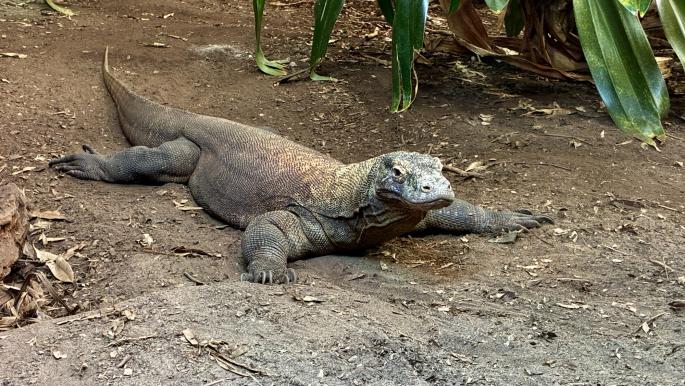
Indonesia has announced its plan to loan two Komodo dragons to Shizuoka Prefecture in Japan, in a move aimed at enhancing breeding efforts for these endangered reptiles. This initiative is part of international cooperation to protect threatened species, as the Komodo dragon is considered one of the largest reptiles in the world and faces extinction due to habitat loss.
This step is part of an exchange agreement between Indonesia and Japan, where Indonesia will receive red pandas and giraffes from Japan as part of this deal. This initiative is expected to contribute to enhancing biodiversity in both countries and provide a suitable environment for the breeding of these rare species.
Details of the Event
Komodo dragons are unique species that inhabit Indonesia, and these large reptiles are considered a symbol of the country's natural heritage. It is noted that a Komodo dragon can reach a length of 3 meters and is characterized by its strength and speed. However, the threats facing this species, such as poaching and habitat destruction, have placed it on the endangered species list.
Through this loan, Indonesia aims to enhance its efforts to conserve these species, with the expectation that the dragons will be transferred to a zoo in Shizuoka, where a suitable environment for their breeding will be provided. This cooperation between Indonesia and Japan serves as a model for wildlife protection.
Background & Context
Historically, Indonesia has been home to many unique and endangered species, including the Komodo dragon. With increasing environmental challenges, conservation efforts for these species have become more important than ever. In recent years, Indonesia has launched several initiatives to protect wildlife, including the establishment of nature reserves and the implementation of strict laws against poaching.
On the other hand, Japan is one of the leading countries in wildlife conservation, possessing advanced programs for breeding endangered animals. The cooperation between the two countries highlights the importance of joint efforts in addressing global environmental challenges.
Impact & Consequences
This deal is seen as a positive step towards enhancing international cooperation in wildlife protection. By exchanging species, both Indonesia and Japan can strengthen their breeding programs and maintain biodiversity. This initiative is expected to raise awareness about the importance of protecting endangered species, potentially leading to greater support from the international community.
Furthermore, this step may encourage other countries to adopt similar models, thereby enhancing global efforts to protect wildlife. Cooperation among countries in this field is essential to address the increasing environmental challenges.
Regional Significance
Although this event occurs in Indonesia and Japan, it has far-reaching implications for the Arab region. The international cooperation in wildlife conservation demonstrates the importance of collaborative efforts to tackle environmental challenges, which could inspire Arab countries to adopt similar strategies to protect biodiversity in their regions.
Moreover, raising awareness about the importance of protecting endangered species can contribute to improving environmental policies in Arab countries, helping to preserve the rich natural heritage of the region.
In conclusion, this initiative between Indonesia and Japan serves as a model for international cooperation in wildlife protection, highlighting the significance of collaborative efforts in addressing global environmental challenges.