Indonesian parliament member, Yhadi Wianto, confirmed that the government's decision to maintain fuel subsidies reflects its commitment to protect citizens amid challenging economic conditions. This statement was made during a public discussion in Jakarta, where he emphasized the importance of fuel in the daily lives of citizens.
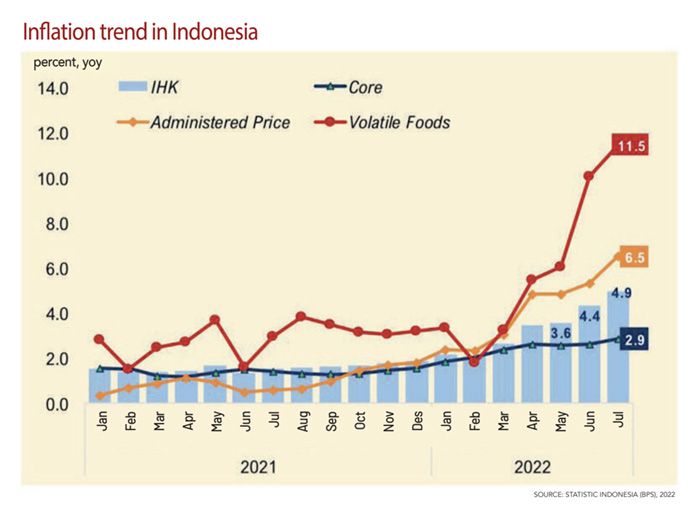
Wianto explained that any increase in fuel prices would lead to a decline in citizens' purchasing power and an increase in inflation rates, which would negatively impact the local economy. He affirmed that the government is working to ensure fuel price stability to avoid any economic crises that may arise from rising prices.
Details of the Discussion
During the discussion held on Thursday, Wianto emphasized that subsidized fuel plays a vital role in supporting citizens' daily activities, from transportation to the distribution of goods and services. He clarified that any change in prices would directly affect people's lives, making it essential to maintain current prices.
Wianto also reassured citizens that fuel supplies in the country are secure, noting that the government ensures a continuous flow of supplies without any negative impacts from tensions in the Strait of Hormuz, as Indonesia relies on diverse sources for its fuel supplies.
Background & Context
Indonesia is considered one of the largest fuel consumers in South East Asia, with many citizens relying on subsidized fuel for their daily lives. In recent years, the country has witnessed fluctuations in fuel prices due to changes in global markets, prompting the government to take steps to protect citizens from the effects of these fluctuations.
It is worth noting that the Indonesian government has implemented several measures during the COVID-19 pandemic, including encouraging remote work as a means to reduce fuel consumption. These policies have proven effective in maintaining the stability of public services.
Impact & Consequences
Maintaining subsidized fuel prices is a strategic step by the Indonesian government, as it helps enhance economic and social stability. This decision also reflects the government's commitment to addressing global and local economic challenges, thereby boosting confidence in government policies.
This policy may also contribute to reducing inflationary pressures, which helps improve the standard of living for citizens. Given the current economic conditions, this decision serves as real support for the most affected groups by economic changes.
Regional Significance
Arab countries are also affected by fluctuations in fuel prices, as many Arab economies rely on oil exports. Maintaining subsidized fuel prices in Indonesia could serve as a model for some Arab countries facing similar challenges.
Arab nations could benefit from Indonesia's experience in managing fuel prices, especially amid global economic crises affecting all countries. Taking effective steps to protect citizens may contribute to enhancing social and economic stability in the region.