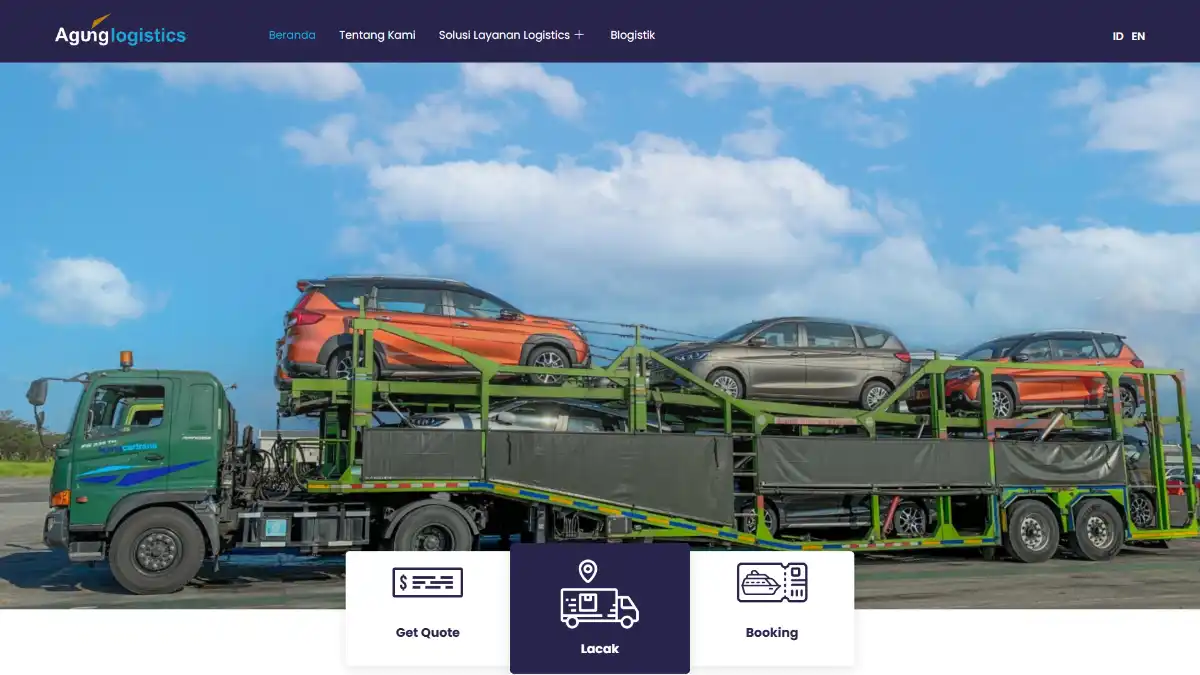
The Indonesian government has initiated the merger of 15 state-owned companies in the logistics sector, a move aimed at enhancing efficiency and improving performance in this vital industry. This initiative comes at a time when Indonesia is striving to bolster its economic standing and increase its competitiveness in regional and international markets.
The merger, overseen by the State-Owned Enterprises Regulatory Agency (BP BUMN), involves consolidating these companies into a single entity, which is expected to reduce operational costs and increase efficiency. This consolidation is part of the government's strategy to enhance the country's logistics infrastructure, which is essential for supporting sustainable economic growth.
Details of the Merger
Through this merger, the Indonesian government aims to achieve key objectives, including improving the quality of logistics services and reducing the time required for transportation and distribution processes. The logistics sector is a crucial area that directly impacts the economy, facilitating the movement of goods and services both domestically and internationally.
Moreover, the merger is anticipated to foster collaboration among different companies and promote the exchange of resources and expertise, thereby enhancing the sector's ability to tackle future challenges. This initiative is part of the Indonesian government's vision to develop a digital economy and promote innovation across various sectors.
Background & Context
Historically, Indonesia has faced numerous challenges in the logistics sector, including inadequate infrastructure and high costs. These challenges have created an urgent need to restructure this sector to ensure improved performance and increased efficiency. This merger is part of the government's ongoing efforts to enhance the business environment and attract investments in the country.
As one of the largest economies in Southeast Asia, Indonesia aims to strengthen its position as a regional logistics hub. This merger is a significant step towards achieving this goal, as it could help attract more foreign and domestic investments.
Impact & Consequences
This merger is expected to have positive effects on the Indonesian economy, potentially improving company performance and increasing competitiveness. Additionally, this move presents an opportunity to enhance innovation and develop new logistics solutions that align with market needs.
Furthermore, the merger could improve customer experience by providing more efficient and effective services. This initiative is part of the government's strategy to promote sustainable economic growth and achieve comprehensive development.
Regional Significance
The implications of this merger extend beyond Indonesia, as it could influence regional logistics dynamics. By consolidating resources and expertise, Indonesia may enhance its role in the Southeast Asian logistics market, potentially leading to increased trade and cooperation among neighboring countries.
In conclusion, this merger represents a critical step for Indonesia in improving its logistics capabilities and economic performance, positioning the country as a key player in the regional and global logistics landscape.