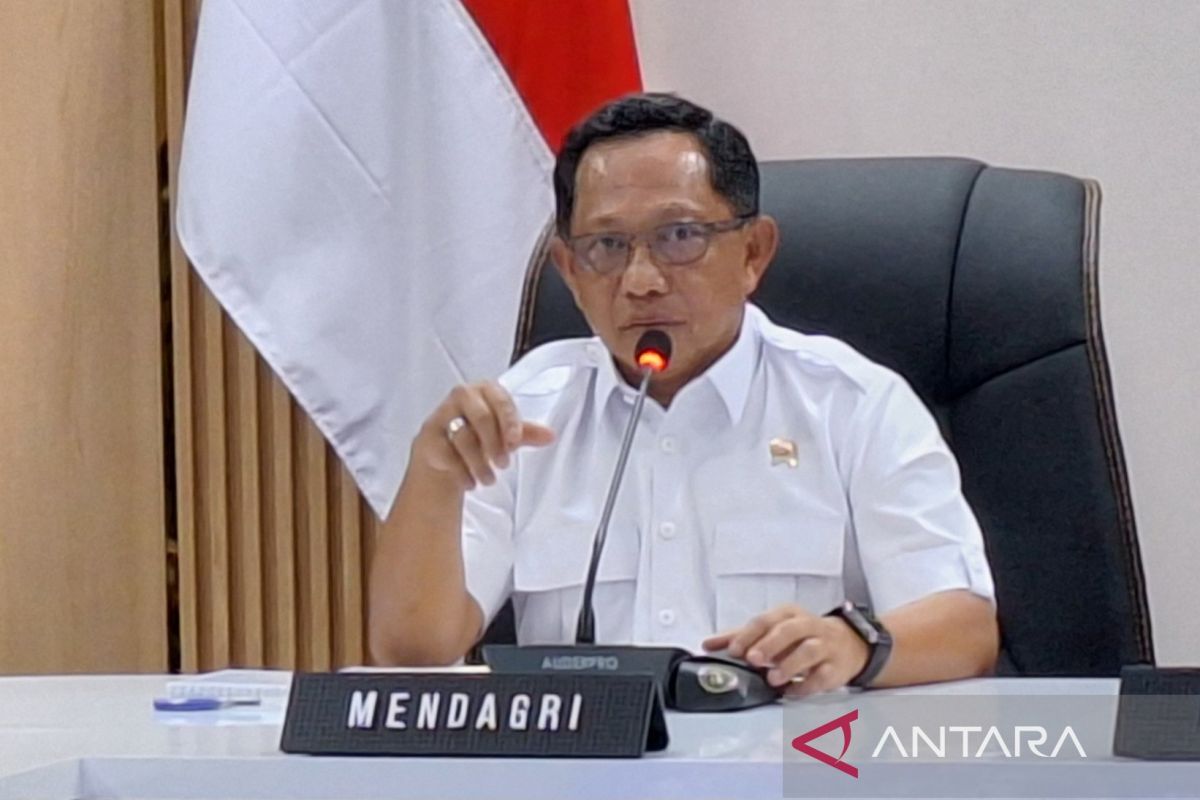
Efforts to rehabilitate the disaster-affected areas in Sumatra are ongoing, with Tito Karnavian, the head of Satgas PRR, confirming that tens of thousands of individuals are working together to ensure the rehabilitation process in Aceh, North Sumatra, and West Sumatra proceeds simultaneously.
Since the beginning of the crisis, a total of 92,000 individuals from various ministries and agencies, including the armed forces and police, as well as volunteers from non-governmental organizations, have been mobilized. Tito noted that these efforts are under the direct leadership of the Indonesian president.
Details of the Rehabilitation Efforts
The current rehabilitation efforts involve extensive participation from various sectors, with the number of individuals involved adjusted according to the improvement of conditions. According to data released by Satgas PRR, as of March 31, 2026, there are still 23,618 individuals from different ministries and government agencies working in the affected areas.
The active participation of volunteers from various organizations is evident in many areas of recovery, such as the construction of temporary housing, where collaboration has taken place between the government, the National Disaster Management Agency, and the Ministry of Public Works, along with support from charitable organizations like Dumpt Dhuafa and Bayt Al-Zakat.
Background & Context
Historically, Indonesia has experienced numerous natural disasters, making it one of the countries most exposed to such events. This has led to the development of advanced strategies in disaster management, with Satgas PRR being established as part of government efforts to improve the country's disaster response.
Natural disasters in Indonesia, such as earthquakes and floods, present ongoing challenges that require rapid and effective responses. Previous experiences have contributed to shaping the current recovery strategies.
Impact & Consequences
These efforts contribute to accelerating the recovery process, with approximately 16,360 temporary housing units completed, helping to transition survivors from tents to more suitable accommodations. National roads and bridges have been fully opened, facilitating the distribution of logistical aid.
These efforts also show significant progress in cleaning the affected areas of mud, with most impacted points cleared, contributing to the restoration of economic and social activity in the affected regions.
Regional Significance
Indonesia's disaster management efforts serve as a model for many Arab countries facing similar challenges. As the frequency of natural disasters in the region increases, the lessons learned from Indonesia's experience can help improve Arab nations' responses to such crises.
In conclusion, the spirit of cooperation and solidarity among various actors in Indonesian society stands as an exemplary model, highlighting the importance of collective action in facing major challenges.