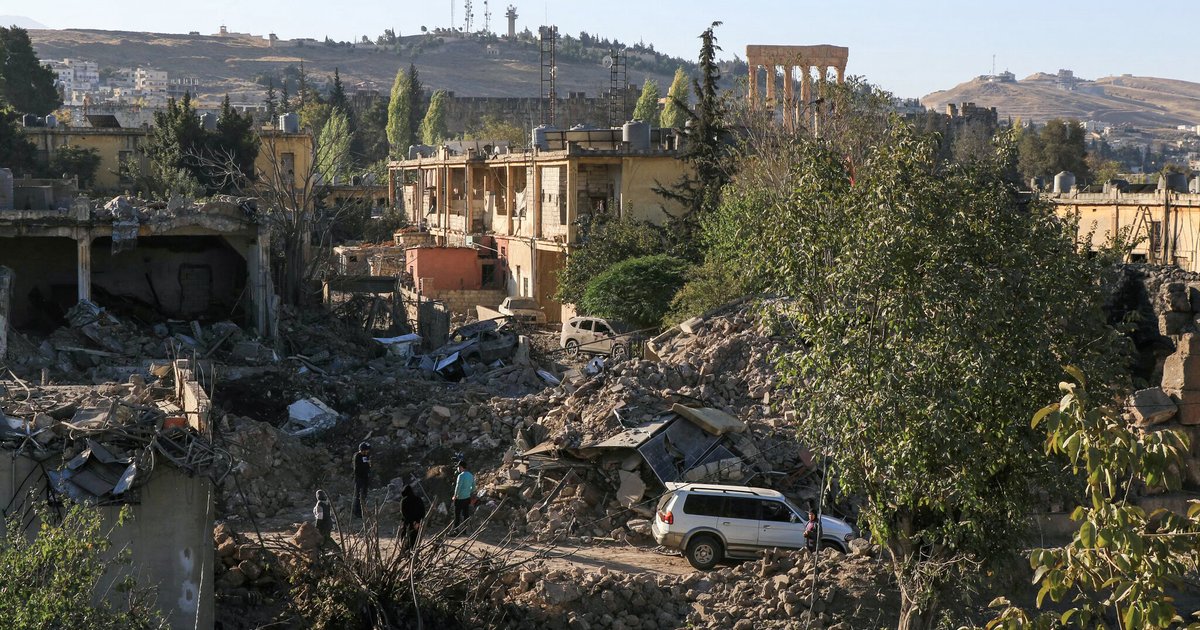
In a tragic incident, Indonesia mourned the loss of three peacekeeping soldiers who died in bombings that took place in southern Lebanon, with their burial occurring in their hometowns last Sunday. The fallen soldiers are Farizal Ramdhan (28 years old), Zulmi Aditya Iskandar (33 years old), and Muhammad Noor Ishwan (26 years old), who were killed in separate attacks over the past week.
Farizal died as a result of a shell explosion on March 29, while his two comrades were killed the following day when a logistics convoy belonging to the United Nations Interim Force in Lebanon (UNIFIL) was targeted. These tragic incidents sparked strong reactions from the Indonesian government, which demanded a comprehensive investigation and better security guarantees for peacekeeping forces.
Details of the Incident
The bodies of the three soldiers arrived in the Indonesian capital, Jakarta, on Saturday, where they were received with military honors in a ceremony attended by Indonesian President Joko Widodo. The president expressed his strong condemnation of any barbaric act that undermines peace and leads to the death of his country's soldiers, emphasizing the necessity of protecting peacekeeping forces.
The soldiers were buried in coffins draped with the Indonesian flag during military funerals, where their family members sprinkled flowers on their graves. Zulmi Aditya was buried in a military cemetery in his hometown of Bandung, while Ishwan and Farizal were laid to rest in their respective cities in Central Java and Yogyakarta.
Background & Context
Historically, Indonesia has participated in peacekeeping operations under the auspices of the United Nations, being one of the significant contributing nations to peacekeeping forces. However, the security situation in Lebanon, which experiences ongoing conflicts between Israel and Hezbollah, makes it challenging for peacekeeping forces to carry out their missions safely.
The recent attacks come at a sensitive time, as concerns about the safety of soldiers involved in peacekeeping operations are rising, necessitating a reassessment of the security measures in place to protect them.
Impact & Consequences
These incidents serve as a wake-up call for the international community regarding the dangers faced by peacekeeping forces. The commander of the Indonesian armed forces, Agus Subiyanto, confirmed that every fallen soldier will receive compensation in recognition of their service, reflecting the government's commitment to supporting the families of the deceased soldiers.
The Indonesian Ministry of Foreign Affairs also called for an urgent meeting of the United Nations Security Council to review the security situation of peacekeeping forces, reflecting the Indonesian government's concern about the recurrence of such incidents in the future.
Regional Significance
These incidents highlight the challenges faced by peacekeeping forces in conflict areas, raising questions about the effectiveness of these forces in achieving peace and stability. Additionally, the situation in Lebanon directly affects regional security, as political and military interests in the area are intertwined.
Ultimately, these events underscore the urgent need to enhance international cooperation to ensure the safety of soldiers involved in peacekeeping operations and to provide them with a secure environment to carry out their humanitarian missions.