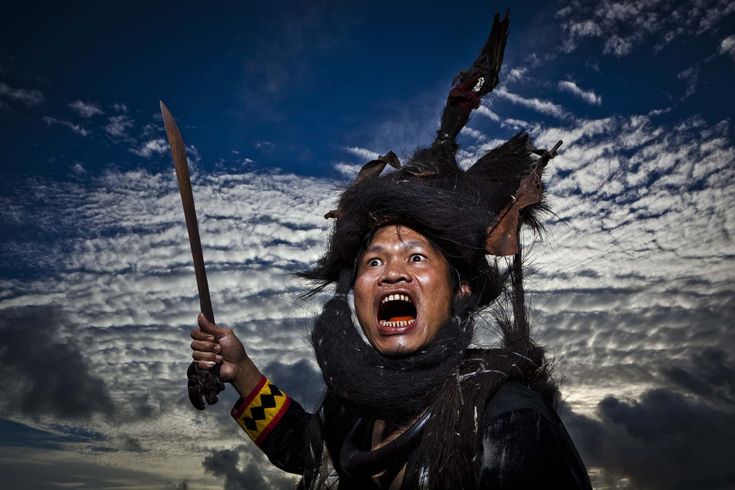
The Indonesian Ministry of Tourism and Creative Economy has announced new guidelines aimed at protecting the rights of photographers and creators, following the case of photographer Amdal Situbo, who faced a two-year lawsuit due to the illegal use of his content. This step comes at a time when there is increasing interest in intellectual property rights issues in the country, reflecting the urgent need to protect creators.
The case sparked widespread controversy in Indonesia, where Amdal Situbo was accused of having his content used without his permission, leading to legal claims against him. This situation raised concerns among many photographers and creators in the country, prompting the government to take swift action to safeguard their rights.
Details of the New Guidelines
As part of these measures, new guidelines have been established that include clarifications on how to legally use creative content, as well as setting appropriate fees for the use of images and creative content. These guidelines aim to enhance awareness of intellectual property rights among creators and users, contributing to a reduction in legal disputes.
Additionally, workshops and seminars will be organized to educate photographers and creators about their rights and how to protect their works. This step is deemed essential given the increasing challenges faced by creators in the digital age.
Background & Context
Historically, Indonesia has witnessed numerous cases related to intellectual property rights, with multiple instances of creators experiencing violations of their rights. With the rise of the internet and social media, it has become easier for individuals and companies to use creative content without obtaining permission from the creators.
These measures come at a sensitive time, as many countries are striving to strengthen intellectual property rights laws, especially in light of the challenges posed by modern technology. Studies have shown that protecting creators' rights contributes to fostering innovation and creativity within society.
Impact & Consequences
The new guidelines are expected to help reduce legal disputes between creators and users, thereby enhancing the creative work environment in Indonesia. Furthermore, this step may encourage more individuals to engage in creative activities, contributing to the growth of the creative economy in the country.
Moreover, strengthening intellectual property rights could attract foreign investments in the creative sector, aiding in the development of creative industries in Indonesia. This is vital in light of the increasing global competition in this sector.
Regional Significance
Intellectual property rights issues are also significant topics of concern for Arab countries, as many face similar challenges in protecting creators' rights. Arab nations could benefit from Indonesia's experience in enhancing intellectual property rights laws, contributing to the development of creative industries in the region.
Additionally, cooperation between Arab countries and Indonesia in this field could facilitate knowledge and experience exchange, enhancing Arab creators' ability to protect their rights in the digital age.