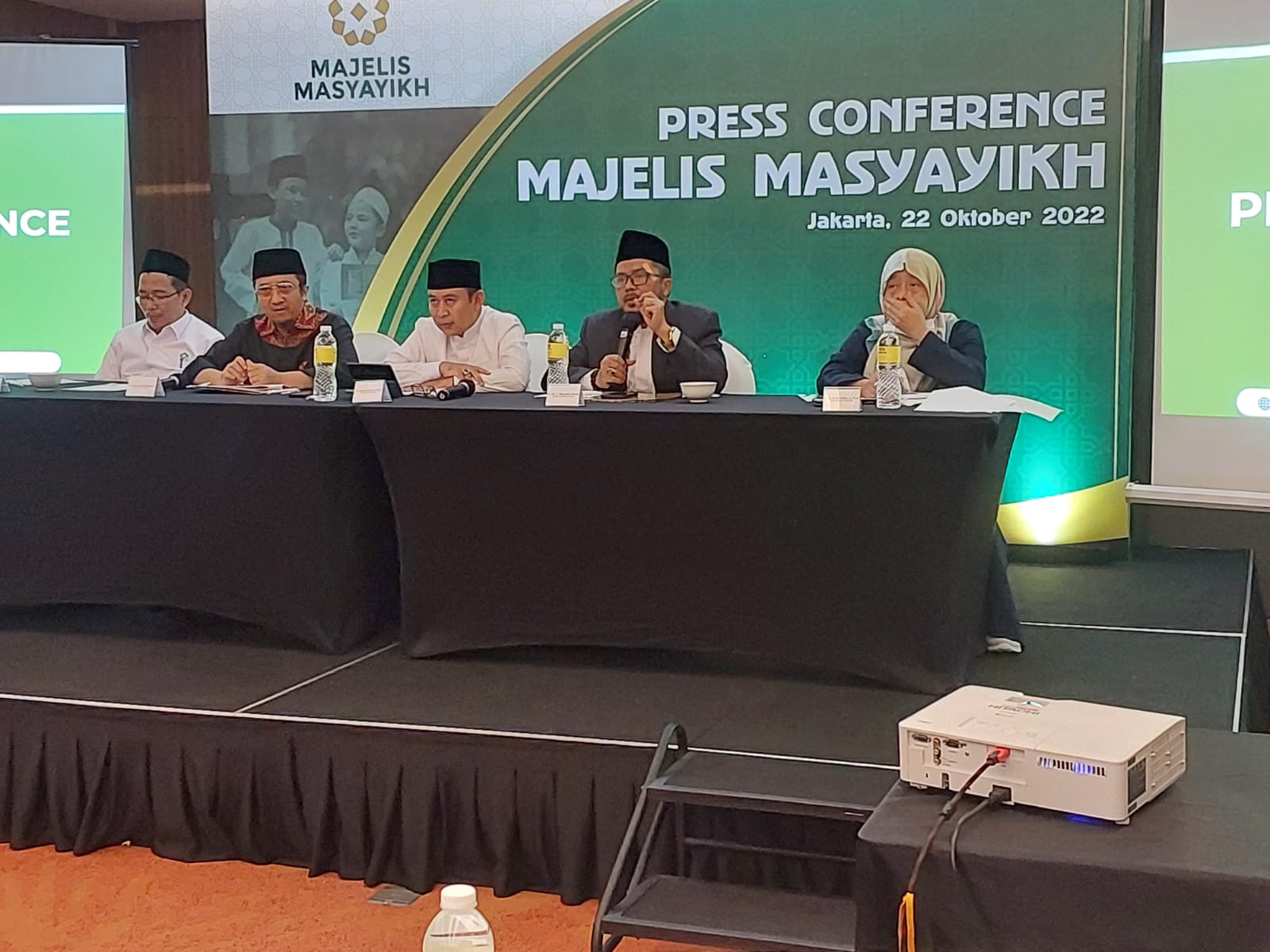
The Indonesian Ministry of Religious Affairs (Kemenag) has announced the opening of the selection process for members of the Council of Scholars (Majelis Masyayikh) for the term 2026-2031. This independent council aims to establish standards to ensure the quality of education in religious schools (madrasah). Amin Suyitno, the Director of Islamic Education at the ministry, stated that this step represents a crucial moment in determining the direction of religious education quality at the national level.
The formation of the Council of Scholars is based on Law No. 18 of 2019, consisting of nine members representing various fields of religious sciences. The council aims to protect cultural privacy and enhance the quality of education in religious schools, reflecting the importance of religious education in Indonesian society.
Event Details
Suyitno emphasized that the council plays a vital role in maintaining quality education standards in religious schools, stressing the need for the recruitment process to be designed seriously and systematically, free from any compromises. He clarified that this is not merely a process of changing personnel, but a restructuring aimed at guiding the quality of religious education in the future.
The current council's term is set to end on November 2, 2026. With changes in the institutional structure, particularly with the strengthening of the Directorate of Religious Education, the council must adapt to these changes to ensure the continuity of its effective role.
Background & Context
Historically, Indonesia has witnessed a growing interest in religious education, with religious schools forming an essential part of the educational system in the country. As challenges facing religious education increase, including the need to update curricula and provide qualified teachers, the establishment of an independent body like the Council of Scholars has become necessary to ensure educational quality.
The establishment of the council was a response to the challenges facing religious education, as it seeks to enhance educational quality and compete with other schools. Additionally, having a clear legal framework enhances the council's ability to operate effectively and independently.
Impact & Consequences
The significance of the Council of Scholars extends beyond religious education, impacting society as a whole. By improving the quality of education in religious schools, the council can contribute to enhancing religious and social values within the community. Furthermore, having members representing diverse cultural and religious backgrounds ensures that the decisions made by the council are inclusive and reflect the diversity of Indonesian society.
Moreover, the selection process, which relies on objective and transparent criteria, bolsters the council's credibility and increases community trust in its decisions. This, in turn, can lead to improved relationships between religious schools and the broader community.
Regional Significance
As the largest Muslim-majority country by population, Indonesia's developments in religious education systems may influence other Muslim countries. Indonesia's experience in enhancing the quality of religious education could serve as a model for Arab countries, many of which face similar challenges in the field of religious education.
In light of global changes and educational challenges, successful experiences in Indonesia could foster cooperation among Muslim countries in education and the exchange of expertise.