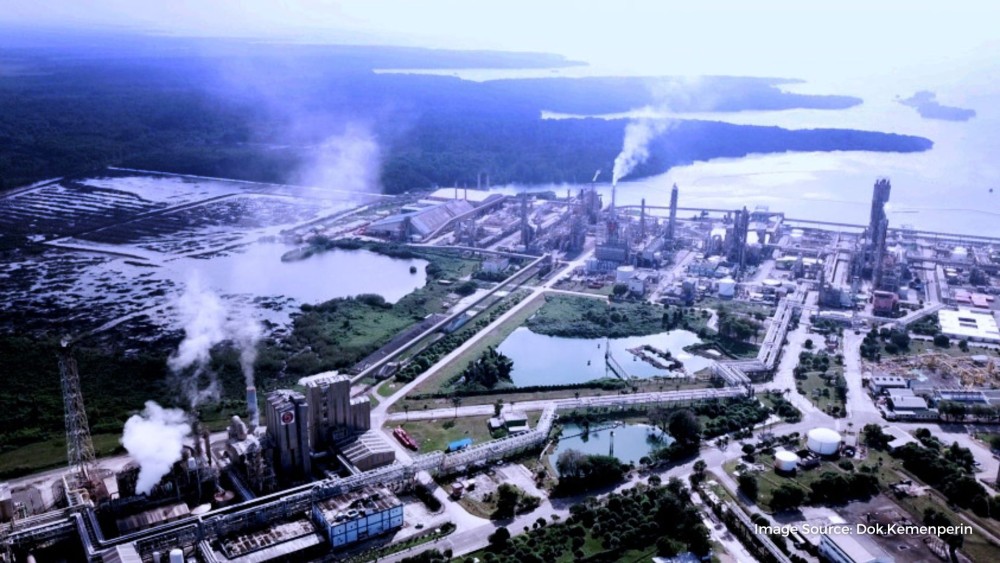
Pupuk Indonesia (PT Pupuk Indonesia) has announced plans to construct two methanol plants as part of its support for the Indonesian government's B50 biodiesel program. The program aims to enhance national energy security and reduce reliance on imports, with implementation expected to begin in July 2026.
During a meeting with the Indonesian Parliament's Economic Committee, Pupuk Indonesia's CEO, Rahmad Pribadi, confirmed that the company, in collaboration with Danantara, plans to build two methanol plants with a capacity of one million tons each. This initiative aims to meet the growing local demand and reduce the current import reliance of 1.4 million tons.
Details of the Initiative
The plan for the new plants includes the establishment of facilities in Aceh and East Kalimantan. According to Rahmad's estimates, the demand for methanol in Indonesia is expected to reach 1.8 million tons by 2025, while local production capacity currently does not exceed 400,000 tons. This significant gap highlights the urgent need to enhance local production.
With the increase of biodiesel from 40% to 50%, the demand for methanol is expected to rise significantly, potentially leading to an increase in imports to 2.5 million tons if local production is not bolstered. These plans come at a time when the Indonesian government is striving for greater energy independence and reducing reliance on fossil fuels.
Background & Context
Historically, Indonesia has heavily relied on imports to meet its energy needs, making it vulnerable to fluctuations in global oil prices. In recent years, the government has begun taking serious steps towards enhancing local production of renewable energy, including biodiesel, which is considered a sustainable alternative to fossil fuels.
The B50 biodiesel program is part of a broader strategy aimed at reducing carbon emissions and promoting the use of renewable energy sources. The Indonesian government hopes that this program will contribute to achieving its environmental and economic goals.
Impact & Consequences
If Indonesia successfully implements its plans to build methanol plants, it could improve the local economic situation by creating new job opportunities and reducing import dependence. Additionally, enhancing local methanol production will help achieve the government's renewable energy objectives.
On the other hand, this shift in energy policy may affect fuel prices in the local market, potentially contributing to lower energy costs for consumers and businesses. This could have positive implications for the Indonesian economy as a whole.
Regional Significance
Indonesia is one of the largest producers of vegetable oils, making it an important player in the renewable energy market. Arab countries, which are also seeking to enhance their use of renewable energy, could benefit from Indonesia's experiences in this field.
The shift towards biodiesel could also open new avenues for cooperation between Arab countries and Indonesia in the fields of energy and agriculture, thereby enhancing energy security in the region.
The plans announced by Indonesia to build methanol plants represent a significant step towards achieving greater energy independence and reducing reliance on imports. This move could serve as a model for other countries, including Arab nations, that are striving to enhance the use of renewable energy and achieve their environmental goals.