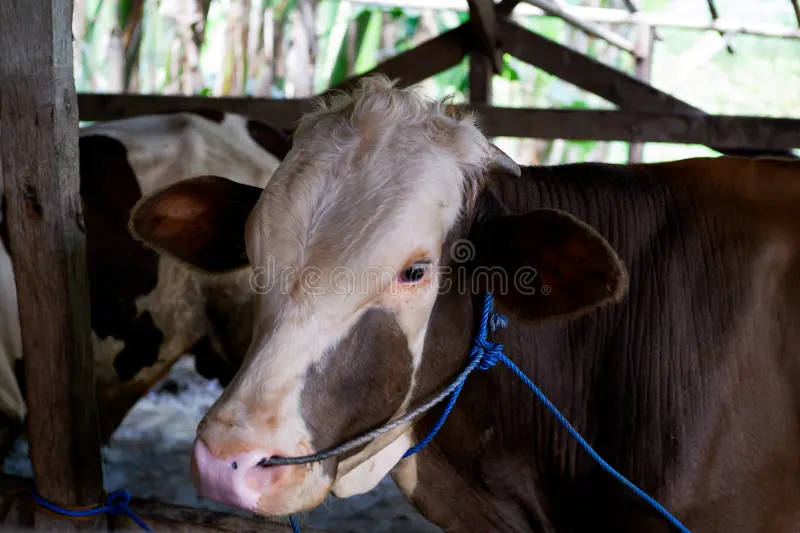
The West Nusa Tenggara government announced its readiness to provide 30,000 cattle to meet the needs for sacrifices in the Greater Jakarta area (Java, Bogor, Depok, Tangerang, and Bekasi) during the blessed Eid al-Adha of the year 1447 AH. This statement was made by Mohammad Riyadi, head of the livestock and animal health department in the province, who confirmed that this number is in response to the increasing demand for sacrifices in this region.
Initially, it was planned to provide 21,000 cattle, but due to rising demand, an additional 9,000 cattle will be shipped from the island of Sumbawa. Riyadi explained that the shipping process has already begun, with cattle breeders transporting the cattle via land routes using large trucks from areas such as Bima, Lombok, and Surabaya.
Event Details
This initiative is part of a well-thought-out plan to avoid the congestion that has plagued ports in previous years, where there were issues loading cattle due to overcrowding at ports like Pototan and Gili Mas. Riyadi noted that the government has established a specific shipping schedule to prevent any congestion at the ports before Eid al-Adha.
Export quotas for cattle have also been set according to a decree issued by the Governor of West Nusa Tenggara, which stipulates the export of 52,517 cattle and 2,550 buffaloes outside the region. The Bima District is the most productive, planning to export 17,500 cattle.
Background & Context
Historically, Eid al-Adha is one of the most significant religious occasions in Indonesia, where Muslims sacrifice animals as part of the celebrations. Cattle play a central role in these rituals, making it essential to provide them in sufficient quantities. In previous years, Indonesia faced challenges in meeting the growing demand for sacrifices, prompting the government to take proactive measures this year.
Indonesia is the largest Muslim-majority country by population, increasing the importance of providing sacrifices during this period. The past years have seen a noticeable increase in the number of required sacrifices, prompting the government to devise new strategies to meet this demand.
Impact & Consequences
This initiative represents an effective response to the challenges faced by the government in providing sacrifices. By organizing the shipping and distribution process, the government hopes to reduce congestion and improve citizens' experiences during Eid al-Adha. Additionally, providing sufficient quantities of cattle will contribute to price stability, benefiting consumers.
Moreover, these measures reflect the government's ability to plan and coordinate among various stakeholders, enhancing confidence in its capacity to manage animal resources effectively.
Regional Significance
Indonesia serves as a model in managing sacrifice resources, especially given the challenges faced by Arab countries in this area. Arab nations can benefit from Indonesian experiences in organizing shipping and distribution processes, contributing to improving citizens' experiences during holidays.
Ultimately, the importance of providing sacrifices during Eid al-Adha remains a vital issue, not only from a religious perspective but also from an economic and social standpoint. Indonesia's success in this area can serve as a lesson for other countries on how to handle the increasing demand for sacrifices.