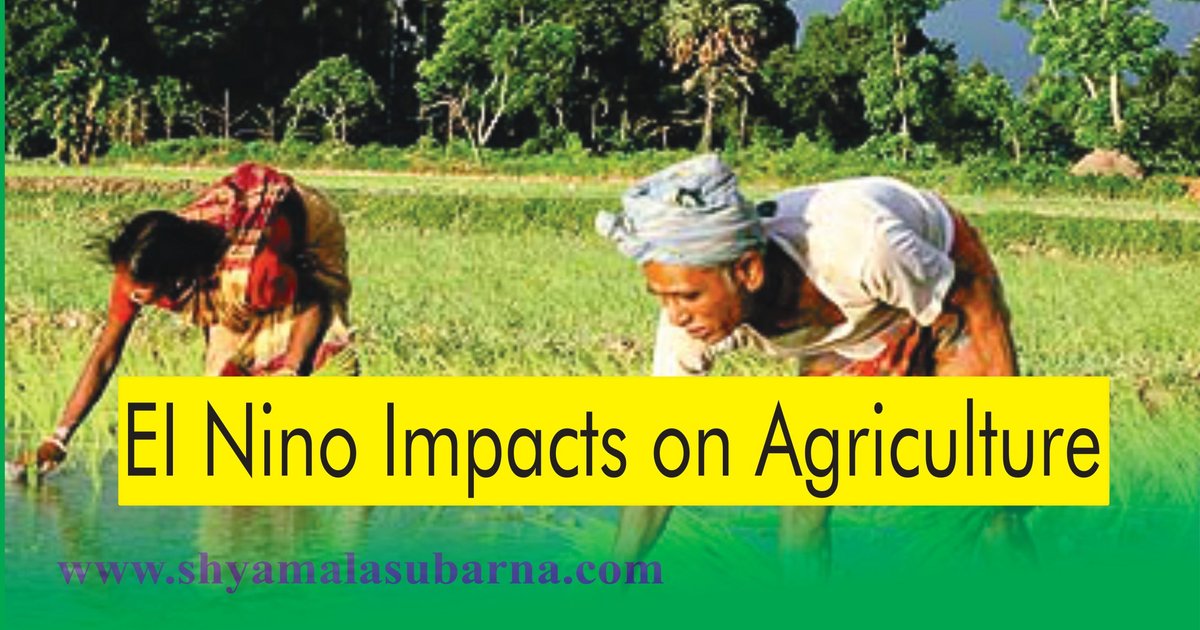
Indonesian Agriculture Minister Andi Amran Sulaiman confirmed that the Indonesian government has taken comprehensive measures to ensure the stability of rice production and national food reserves in light of the potential threat posed by a strong El Niño phenomenon, also known as "Godzilla El Niño." Sulaiman explained that this phenomenon could begin in April and last for about six months, necessitating proactive steps to ensure food security.
The minister's remarks came after a meeting with state-owned agricultural companies in the capital, Jakarta, where he noted that the government has learned from its previous experiences with El Niño in 2023, when there was an urgent need to import large quantities of rice. However, thanks to efforts made to enhance local production, the need for imports was significantly reduced.
Event Details
In 2023, Indonesia's rice needs were expected to reach around 10 million tons, but the government managed to reduce this figure to approximately 3.7 million tons due to strategies such as improving irrigation systems and increasing the efficiency of agricultural land use. A water pumping program was implemented by installing tens of thousands of pumps in key rice-producing areas, which helped ensure the availability of necessary water for farming even amid reduced rainfall.
Additionally, irrigation systems based on pumps were improved, contributing to better water distribution across agricultural lands, rather than relying solely on natural climatic conditions. These steps reflect the Indonesian government's commitment to enhancing food security in the country.
Background & Context
The El Niño phenomenon is a climatic event that significantly affects agriculture and food production in many countries, including Indonesia. Historically, Indonesia has experienced negative impacts from this phenomenon, leading to decreased crop yields and rising food prices. Therefore, preparing to face this phenomenon is vital for ensuring food security.
It is worth noting that Indonesia is not alone in facing climate challenges, as many countries in the region and around the world are experiencing the effects of climate change, necessitating effective strategies for adaptation and mitigation of these impacts.
Impact & Consequences
The Indonesian government anticipates that the measures taken to address the El Niño phenomenon will enhance local production and reduce reliance on food imports. These strategies are not only essential for food security but also for boosting the national economy by supporting local farmers and stimulating growth in the agricultural sector.
Furthermore, improving irrigation systems and increasing water use efficiency can have a positive environmental impact, helping to conserve natural resources and promote agricultural sustainability in the long term.
Regional Significance
The El Niño phenomenon and climate change, in general, are issues of concern for Arab countries as well, affecting agriculture and food security in the region. Many Arab nations rely on food imports, making them vulnerable to global price fluctuations and climate impacts.
Thus, Indonesia's experiences in addressing these phenomena could serve as a model for Arab countries, where similar strategies can be adopted to enhance local production and improve irrigation systems, contributing to achieving food security and sustainability in the region.