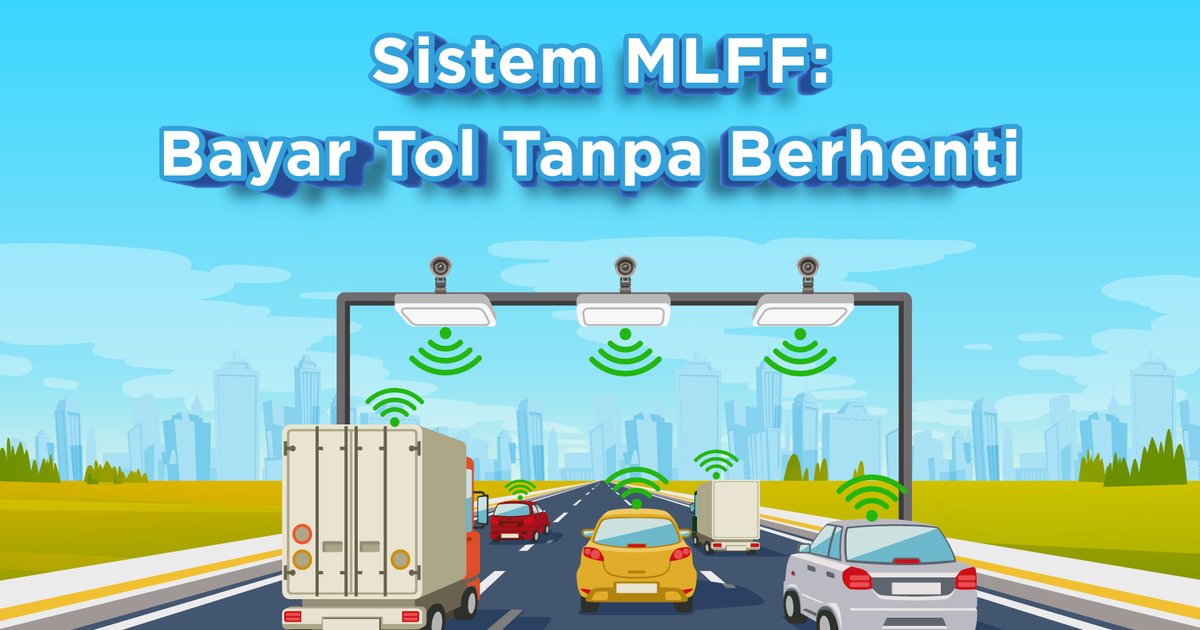
The Indonesian Highway Regulatory Authority (BPJT) has announced its readiness to conduct additional tests before the full trials of the Multi-Lane Free Flow (MLFF) electronic payment system commence. The head of the authority, Wilan Oktavian, confirmed that the system is still in the pre-trial phase, emphasizing the importance of thorough preparation to ensure successful implementation.
In a media briefing in Jakarta, Wilan explained that previous trials were limited, having been conducted only on the Jakarta Outer Ring Road and Bali Mandara roads. These trials included approximately 64 scenarios, most of which were positive and incidental tests.
Details of the Upcoming Trials
Wilan noted that BPJT is currently working on preparing additional scenarios that take into account various conditions users may encounter when the system is implemented. Among these scenarios are those related to users who do not have accounts or those using mismatched license plates.
Wilan stressed the necessity of adequately preparing all scenarios before moving to the full trial phase, as this stage will involve many stakeholders. The authority has not yet entered discussions regarding the need for additional investments or compensations for toll companies, as the process remains in the technical phase.
Background & Context
Indonesia is one of the countries striving to develop its digital infrastructure, with the electronic payment system being a significant step towards enhancing driver experience and reducing congestion on roads. This initiative is part of the Indonesian government's efforts to improve efficiency in highway management and provide better services to citizens.
Historically, Indonesia has faced significant challenges in traffic management, prompting the government to seek innovative solutions. The MLFF system represents a potential solution to congestion issues, allowing drivers to pay without needing to stop at traditional toll booths.
Impact & Consequences
If the MLFF system succeeds in Indonesia, it could have a substantial impact on traffic flow and the local economy. This system is expected to reduce waiting times and increase transport efficiency, potentially contributing to an improved quality of life in major cities.
Moreover, the success of this system could encourage other countries in the region to adopt similar technologies, thereby enhancing regional cooperation in transportation and infrastructure.
Regional Significance
In the Arab world, many countries face similar challenges in traffic management and infrastructure. Indonesia's experience in implementing the electronic payment system could serve as an important lesson for Arab nations seeking to improve transportation services. For instance, countries grappling with traffic congestion could benefit from this experience to develop similar systems.
In conclusion, the MLFF system in Indonesia represents a crucial step towards improving highway management, and it may have positive effects on traffic flow and the local economy. The success of this system could encourage other nations to adopt similar technologies, thus fostering regional cooperation in the transportation sector.