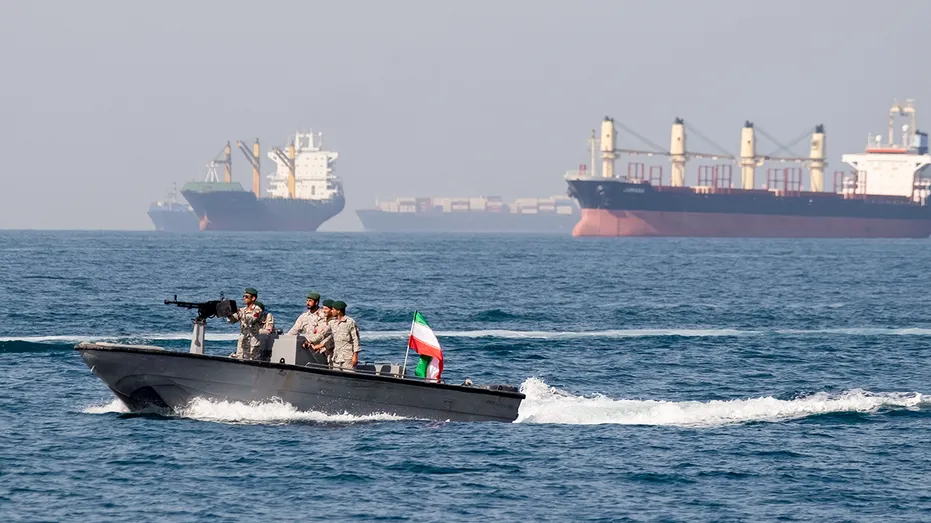
Indonesian Foreign Minister Retno Marsudi announced significant progress in ongoing negotiations to ensure the passage of Indonesian ships through the Strait of Hormuz, highlighting positive signals from the Iranian side. This statement was made during a press conference held in Tokyo, where she confirmed that dialogue is still ongoing and that there are intensive efforts to ensure the safety of the vessels and their crews.
In this context, Marsudi explained that the Indonesian government is coordinating with relevant parties in Iran through the Indonesian embassy in Tehran to guarantee the safety of the ships and their crews. She affirmed that positive steps have been taken, but actual implementation is still awaiting further progress.
Details of the Negotiations
In her remarks, Marsudi noted that the negotiations are still in their early stages, but there is optimism regarding the outcomes. The spokesperson for the Ministry of Foreign Affairs, Fahd Nabil A. Malashila, stated that there has been a positive response from the Iranian side, reflecting a willingness to cooperate.
Malashila added that the next steps include coordination on technical and operational aspects, although no specific date for the passage of the ships has been set. Meanwhile, Petromina International Shipping is making necessary preparations to ensure the safe passage of the two vessels, Petromina Pride and Ghamsonoro.
Background & Context
The Strait of Hormuz is one of the most crucial waterways in the world, through which approximately 20% of the world's oil passes. Historically, the strait has witnessed numerous tensions due to regional conflicts, complicating the passage of commercial ships. In recent years, concerns about maritime attacks in this area have increased, prompting countries to bolster the security of their vessels.
As an oil-exporting nation, Indonesia seeks to secure its trade routes, especially amid the geopolitical tensions in the region. The Indonesian government has shown a strong interest in safeguarding its citizens and resources.
Impact & Consequences
If a final agreement is reached regarding the passage of Indonesian ships, it would enhance Indonesia's position as a trading nation in the region and could open new avenues for economic cooperation with Iran. Additionally, the success of these negotiations may encourage other countries to take similar steps to ensure the safety of their vessels.
On the other hand, these negotiations could affect Iran's relations with other countries, as they may be seen as a step towards easing tensions in the region. Furthermore, the stability of navigation in the Strait of Hormuz would have a positive impact on global oil markets.
Regional Significance
The Arab region is directly concerned with the developments in the Strait of Hormuz, as any tension or escalation could affect oil prices and trade movement. Indonesia's success in securing the passage of its ships could serve as a model for Arab countries, which are also seeking to protect their economic interests.
In conclusion, it remains to be seen how these negotiations will unfold and what results they will yield, as the stability of navigation in the Strait of Hormuz is vital for the region and the world.