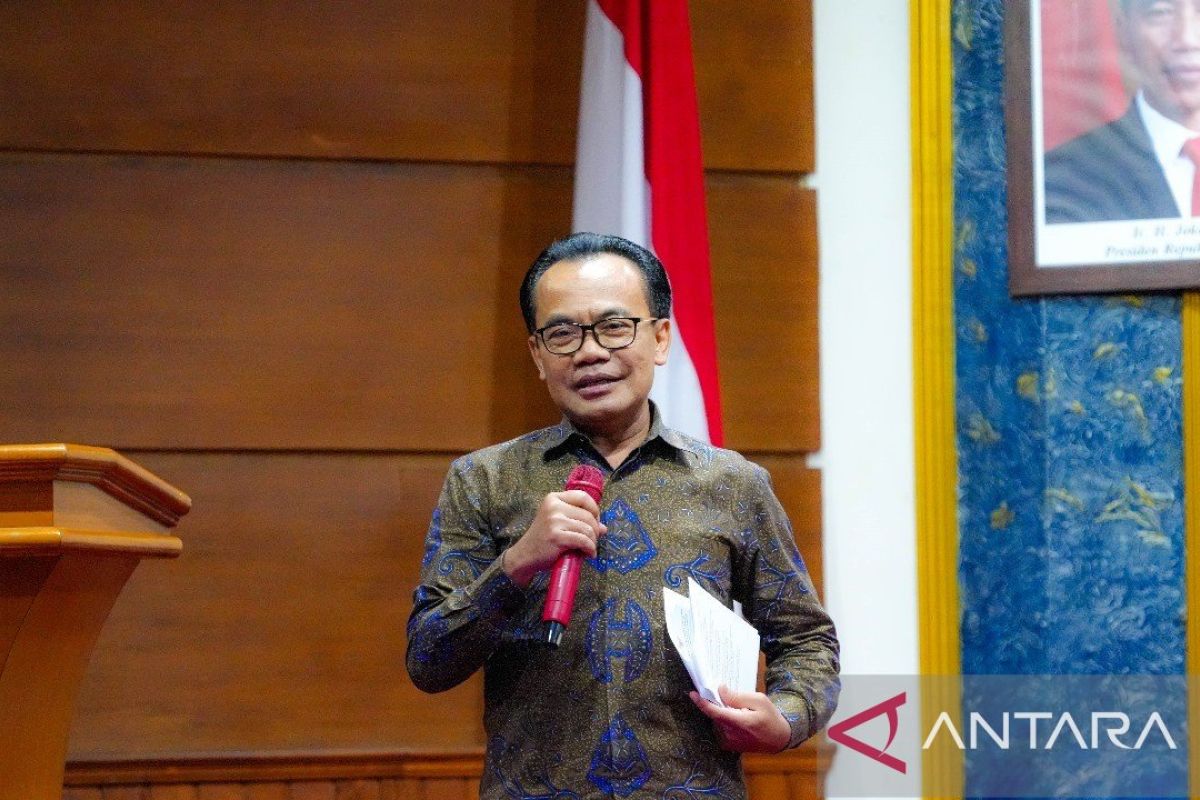
The Indonesian government has announced its forecast for national economic growth of up to 5.5% by 2026. This optimism is part of the government's efforts to enhance sustainable economic development, with officials stating that this figure reflects positive trends across various economic sectors.
In statements made by the Director General of Economic Planning, it was highlighted that the government is implementing a series of economic policies aimed at improving the business environment and boosting investments. It was also confirmed that the anticipated growth relies on several factors, including increased domestic and foreign investments, infrastructure improvements, and the development of vital sectors such as agriculture and industry.
Details of the Initiative
The Indonesian government aims to achieve this growth through the implementation of multiple strategies, including enhancing education and vocational training, which contributes to improving workforce efficiency. The government is also working to promote innovation and technology across various fields, thereby enhancing the competitiveness of the Indonesian economy on both regional and international levels.
Indonesia is considered one of the largest economies in Southeast Asia, possessing rich natural resources and a large domestic market. However, the country faces challenges related to corruption and weak infrastructure, which could impact the achievement of its economic goals.
Background & Context
Historically, the Indonesian economy has experienced significant growth over the past two decades, recovering after the Asian financial crisis in the late 1990s. However, economic growth has not always been consistent, as the country has been affected by global crises such as the COVID-19 pandemic, which led to an economic contraction in 2020.
In recent years, the Indonesian government has begun implementing economic reforms aimed at promoting growth and stability. These reforms include improving the business environment, increasing investments in infrastructure, and developing vital economic sectors.
Impact & Consequences
If the expected growth of 5.5% is achieved, it will have a positive impact on the standard of living in Indonesia, contributing to the creation of more job opportunities and improving income levels. This growth will also help enhance economic and social stability, contributing to sustainable development.
On the other hand, achieving this goal requires the government to confront existing challenges, such as corruption and weak infrastructure. Therefore, the success of these forecasts depends on the government's ability to implement necessary reforms and balance economic growth with social development.
Regional Significance
Indonesia is one of the largest economies in the Islamic world, and thus its success in achieving economic growth could have a positive impact on Arab countries. This growth could lead to enhanced economic cooperation between Indonesia and Arab nations, opening new avenues for investment and trade.
Furthermore, Indonesia's experiences in economic development could serve as a model for Arab countries seeking to achieve sustainable development. Therefore, monitoring economic developments in Indonesia is crucial for Arab nations.