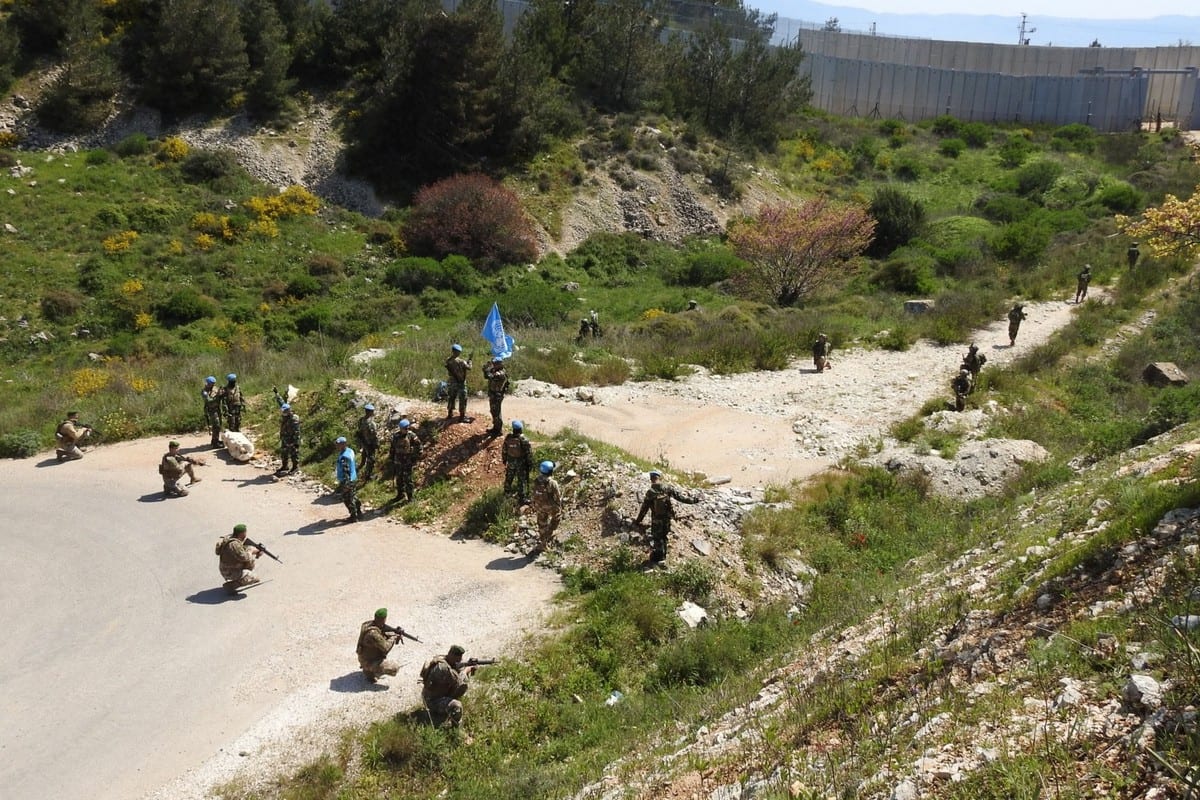
Indonesia is preparing to receive the bodies of three of its soldiers who were killed while serving in the United Nations Interim Force in Lebanon (UNIFIL). The bodies are scheduled to arrive at Soekarno-Hatta Airport in Jakarta on Saturday, April 4, via a Turkish Airlines flight.
The Indonesian Ministry of Foreign Affairs reported that the bodies will be transported on a Turkish Airlines plane, expected to arrive at 17:35 local time. A formal reception ceremony will be organized at the airport to honor these soldiers who sacrificed their lives for peace.
Details of the Incident
The three soldiers are: Major Inf (Anm) Zalmi Aditya Iskandar, Serka (Anm) Muhammad Noor Eishwan, and Kobda (Anm) Farizal Romadon. Kobda Farizal was killed as a result of artillery shelling near a UNIFIL position in the Adshit al-Qusayr area in southern Lebanon on Sunday, March 29. The following day, the other two soldiers were killed during an attack on a convoy they were escorting.
On April 2, a memorial ceremony was held for the three soldiers at the Lebanese Air Force base in Beirut, led by Major General Diewatwo Abakna, the commander of the international forces. The ceremony was also attended by the Indonesian Ambassador to Lebanon and several military and diplomatic figures.
Background & Context
Indonesia is one of the contributing countries to United Nations peacekeeping missions, participating in multiple operations around the world, including in Lebanon. These missions have faced numerous challenges, including attacks targeting soldiers, highlighting the risks faced by peacekeeping forces.
Historically, Indonesia has sent its troops to Lebanon since 2006, following the Israeli-Lebanese war, contributing to peacekeeping and stability efforts in the region. However, recent events indicate a rise in tensions in the area, increasing the risks for soldiers involved in these missions.
Impact & Consequences
These incidents serve as a stark reminder of the challenges faced by peacekeeping forces, as these missions require significant sacrifices. Additionally, these events raise questions about the safety of soldiers participating in such missions, which may influence countries' decisions regarding sending their troops to conflict zones.
On the other hand, the martyrdom of the three soldiers may bolster the Indonesian government's support for peacekeeping efforts, as security measures and training for soldiers involved in such missions are expected to be enhanced.
Regional Significance
The events in Lebanon are directly related to regional stability, where UN forces play a vital role in maintaining peace. The martyrdom of Indonesian soldiers reflects ongoing tensions in the region and underscores the importance of international cooperation in addressing security challenges.
In conclusion, the need to strengthen peace efforts in the region remains pressing, requiring ongoing international collaboration to ensure the safety of soldiers and protect civilians in conflict areas.