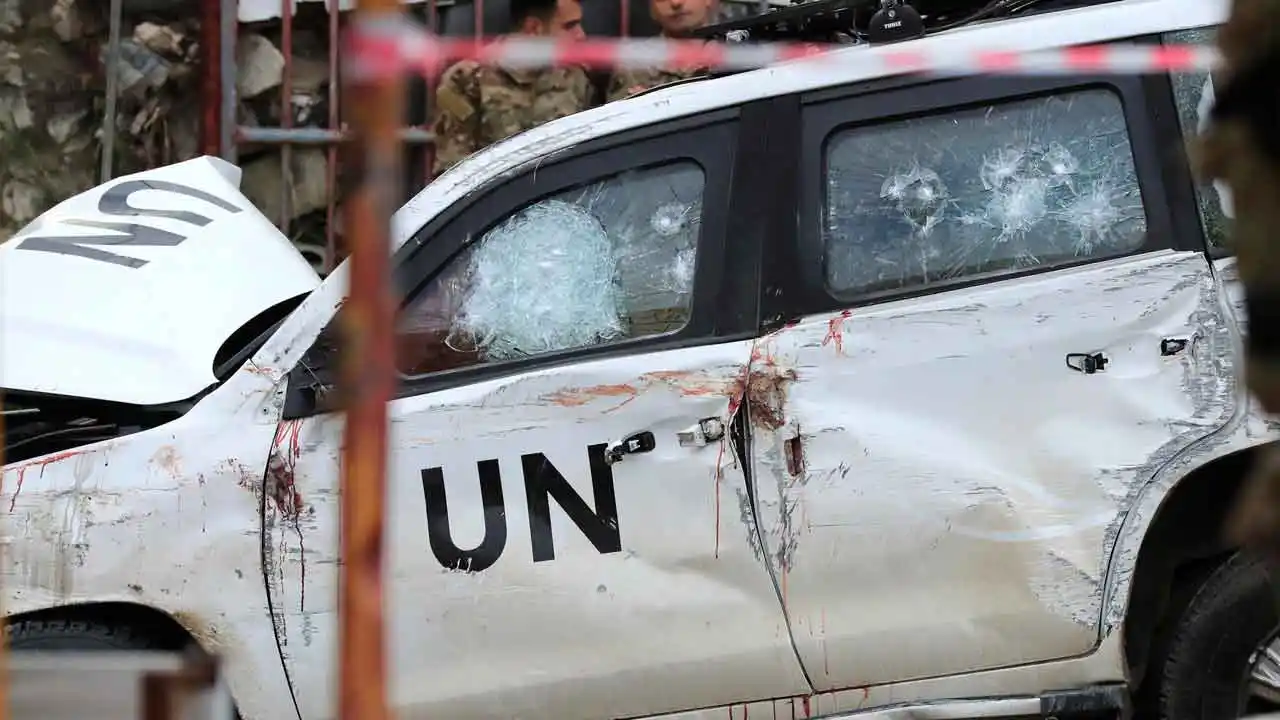
Indonesia has received the bodies of its soldiers who were killed while performing their duties as part of the United Nations peacekeeping forces in Lebanon. The incident occurred earlier this week when the soldiers were attacked while on patrol in a sensitive area experiencing rising tensions. This incident has sparked a wave of grief and anger in Indonesia, where an official reception ceremony for the bodies was organized at Soekarno-Hatta International Airport.
The soldiers who lost their lives were part of the United Nations Interim Force in Lebanon (UNIFIL), which aims to maintain peace and stability in the region. The victims were identified through their official documents, and their names were announced by the Indonesian Ministry of Defense.
Details of the Incident
The attack that resulted in the deaths of the Indonesian soldiers took place in southern Lebanon, where tensions have increased in recent months. Reports indicate that the soldiers were on routine patrol when they were suddenly attacked by unidentified armed assailants. Indonesian authorities confirmed that they would investigate the incident in cooperation with the United Nations.
The reception ceremony for the bodies was attended by a large number of government officials and the families of the victims, honoring the soldiers who lost their lives in the service of peace. The Indonesian Minister of Defense expressed deep sorrow, emphasizing that the country remains committed to supporting peacekeeping efforts worldwide.
Background & Context
Historically, Indonesia has been one of the largest contributors to United Nations peacekeeping forces, participating in numerous missions around the world. Since 1950, Indonesia has sent thousands of soldiers to conflict areas, including Bosnia and Herzegovina, Sierra Leone, and Darfur. This participation reflects Indonesia's commitment to supporting international peace and security.
Lebanon, for its part, has been suffering from ongoing tensions due to regional conflicts, with UNIFIL forces present since 1978 to monitor the ceasefire between Lebanon and Israel. However, the security situation in the region remains fragile, increasing risks for peacekeeping forces.
Impact & Consequences
The attack on the Indonesian soldiers may have significant repercussions for peacekeeping efforts in Lebanon. It is likely to lead to increased security measures for UNIFIL forces, which may affect their ability to carry out their missions effectively. It could also result in a decline in international support for peacekeeping missions in conflict areas.
Furthermore, the incident may provoke feelings of anger in Indonesia, potentially leading to calls from the public and government to enhance security measures and protect soldiers involved in peacekeeping missions. This situation could also impact Indonesia's foreign policy, as the government may reconsider its participation in such missions.
Regional Significance
This incident serves as a reminder of the importance of peace and stability in the Middle East, where many countries continue to suffer from armed conflicts. It also highlights the risks faced by peacekeeping forces in conflict zones, necessitating enhanced international cooperation to ensure the safety of soldiers involved in these missions.
In conclusion, the killing of Indonesian soldiers in Lebanon is a painful event that reflects the challenges facing peacekeeping efforts worldwide. The current situation requires a coordinated international response to ensure the protection of soldiers and promote peace in conflict-affected areas.