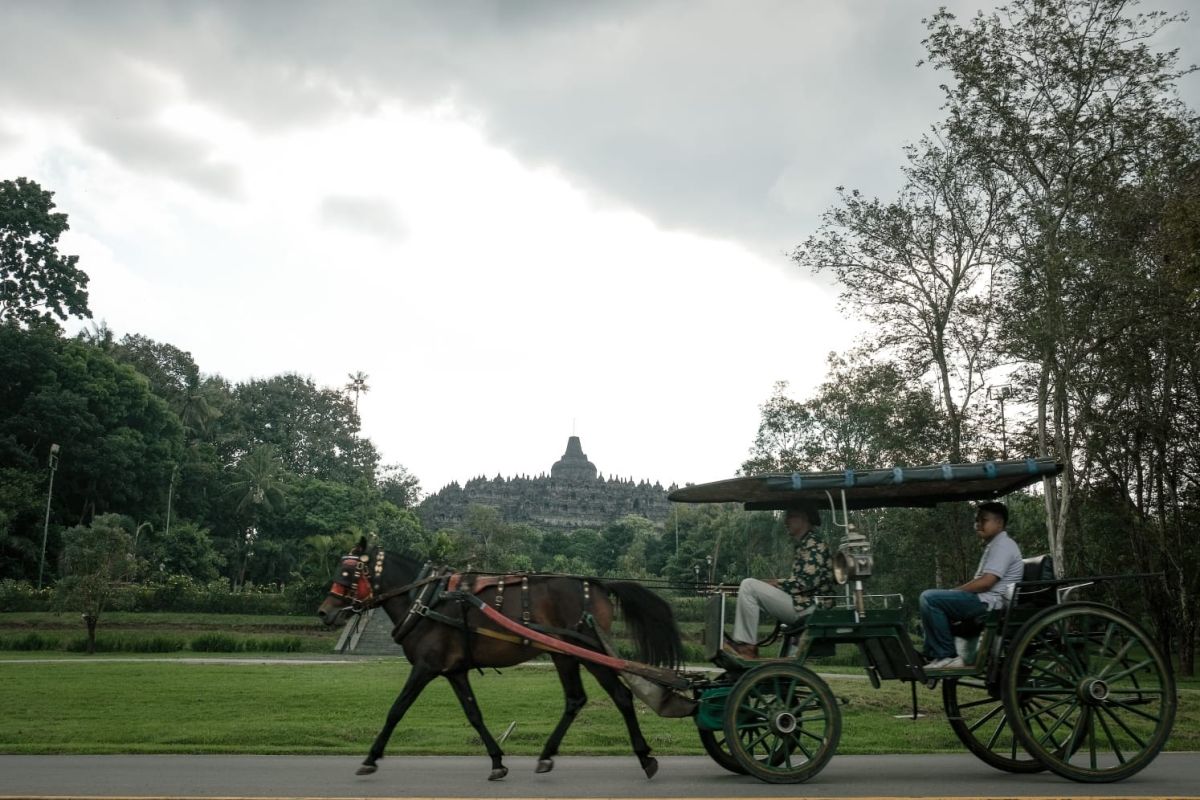
Indonesia welcomed 2.35 million foreign tourists in the first three months of 2026, indicating a significant recovery in the tourism sector post-COVID-19. This announcement was made by the Indonesian National Statistics Agency, which confirmed that this figure represents a substantial increase compared to the same period last year.
Tourism is considered one of the main pillars of the Indonesian economy, contributing significantly to the GDP and providing job opportunities. Data showed that most visitors came from Asian countries, particularly from China and Australia, reflecting Indonesia's regained appeal as a preferred tourist destination.
Event Details
Reports indicate that foreign tourists flocked to various tourist destinations in Indonesia, including the famous Bali island, where they enjoyed a variety of water activities such as parasailing and surfing. Hotels and restaurants also witnessed a remarkable recovery in occupancy rates, contributing to the improved economic situation for many families reliant on tourism.
The Indonesian government aims to enhance this trend by improving infrastructure and offering incentives for tourists, including discounts on entry visas and transportation facilities. New marketing campaigns targeting international markets have been launched to raise awareness of the diverse tourist destinations the country offers.
Background & Context
Historically, Indonesia has been one of the most popular tourist destinations in Southeast Asia, attracting millions of tourists annually. However, the country was significantly impacted by the COVID-19 pandemic, leading to a sharp decline in visitor numbers. In 2020, the number of foreign tourists dropped by 75% compared to previous years, adversely affecting the national economy.
After easing pandemic-related restrictions, Indonesia began reopening its doors to tourists, contributing to a gradual return of tourism activity. Recent data indicates that the country is on the right track towards full recovery, with expectations of increased tourist numbers in the coming months.
Impact & Consequences
The recovery in the tourism sector is a positive indicator of Indonesia's ability to rebound from the pandemic's effects. This recovery not only improves the economic situation but also enhances job opportunities and boosts investments in the tourism sector. Additionally, the increase in tourist numbers translates to higher revenues from taxes and fees, enabling the government to improve public services.
However, the government must remain cautious in managing this recovery, as heavy reliance on tourism can be vulnerable to global economic fluctuations. Therefore, it is essential to diversify the economy and strengthen other sectors such as agriculture and industry.
Regional Significance
This news is significant for the Arab region, as Indonesia is one of the preferred tourist destinations for many Arab tourists. With the increase in foreign tourist numbers, Indonesia could open new avenues for tourism cooperation between Arab countries and Indonesia, enhancing cultural and economic exchange.
The revival of tourism in Indonesia may also encourage Arab countries to boost their investments in the tourism sector, contributing to improved infrastructure and better services for tourists.