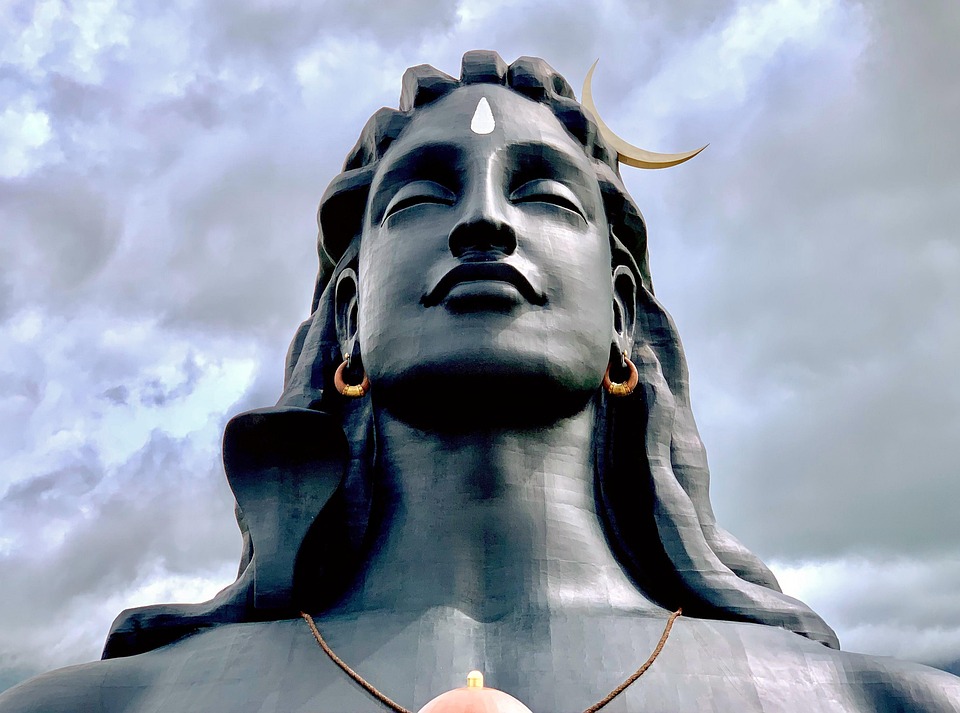
In a historic move, the Indonesian government has announced the recovery of a 13th-century Shiva statue from East Java and a 15th-century Damalung inscription from Central Java, after years of their presence in the Netherlands. The return agreement was signed in The Hague between the Indonesian ambassador to the Netherlands, Lourenthius Amherij Ginanongkong, and the Dutch Director of Culture and Media, Yusuf Lukili, on March 31, 2026.
This step is part of the Indonesian government's efforts to recover lost cultural heritage, with Indonesian Minister of Culture Fadli Zon emphasizing that the return of these artifacts is a crucial part of restoring the nation's collective memory. He noted that cultural heritage must return to the community to which it belongs.
Details of the Recovery
The Shiva statue and Damalung inscription were part of the collection of the World Museum in Amsterdam and the World Museum in Leiden. The artifacts have been sent back to Indonesia, where they will be handed over to the National Museum of Indonesia in Jakarta.
The Indonesian government aims to recover more cultural pieces that have been taken abroad, having already reclaimed 288 artifacts in 2024, including statues of Ganesha, Brahma, Nandi, and Bhairava from the Sengosari Temple.
Background & Context
Historically, Indonesia has witnessed the loss of numerous cultural artifacts due to colonization and occupation. These pieces are considered part of the national identity and Indonesian history, making their recovery of significant importance. In recent years, international efforts to reclaim lost cultural heritage have increased, with many countries collaborating in this area.
Efforts to recover cultural heritage are not only about reclaiming artifacts but also about restoring the dignity and identity of the nation. The return of such items is seen as a way to heal historical wounds and foster a sense of pride among the Indonesian people.
Impact & Consequences
The recovery of the Shiva statue and Damalung inscription is a significant step towards enhancing Indonesian cultural identity. This event reflects the government's efforts to raise cultural and historical awareness among citizens and strengthens Indonesia's position on the international stage as a country committed to preserving its heritage.
Moreover, this recovery may pave the way for future collaborations between Indonesia and other nations in cultural matters, potentially leading to more artifacts being returned and fostering a deeper understanding of Indonesia's rich history.
Regional Significance
The return of these artifacts is not only important for Indonesia but also for the broader Southeast Asian region, as it underscores the importance of cultural heritage in shaping national identities. The event serves as a reminder of the shared history and cultural ties among Southeast Asian nations.
In conclusion, the recovery of the Shiva statue and Damalung inscription marks a pivotal moment in Indonesia's ongoing efforts to reclaim its cultural heritage and reinforces the nation's commitment to preserving its historical identity.