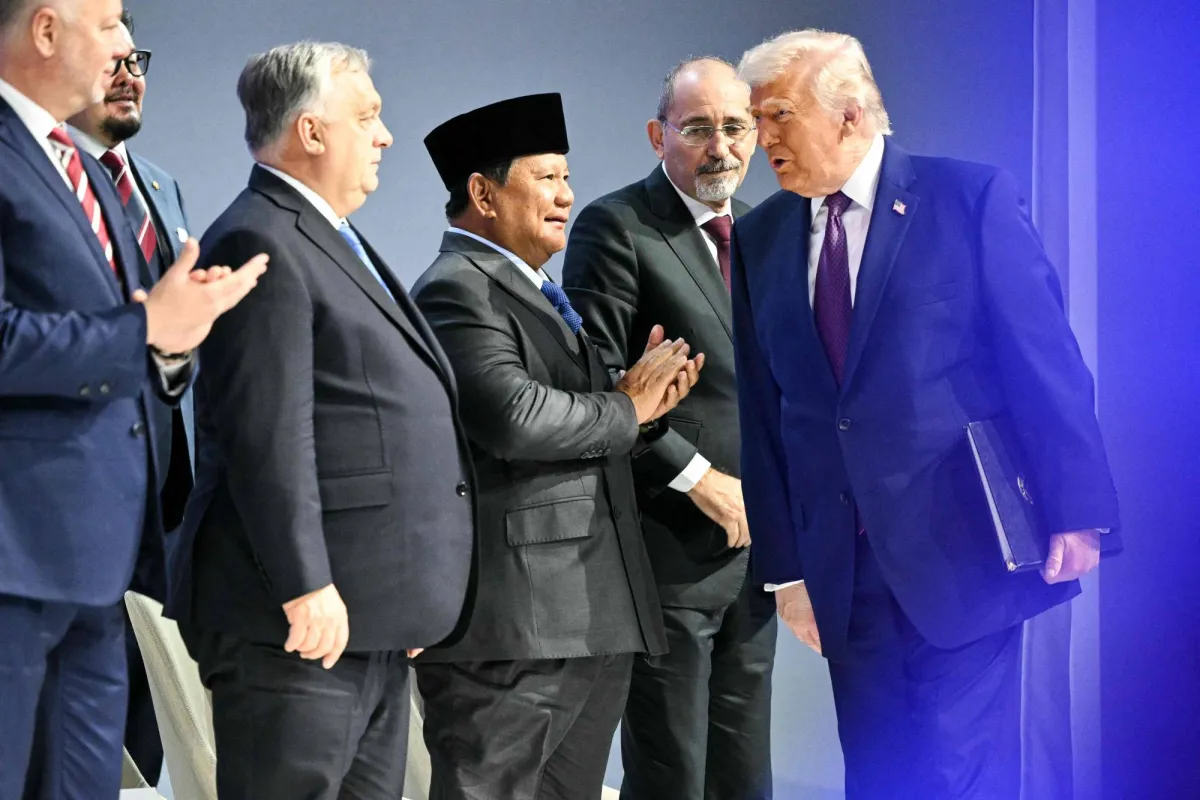
Indonesian President Prabowo Subianto has confirmed that his country will not pay $1 billion for permanent membership in the 'Peace Council', established through U.S. mediation. He noted that Indonesia will focus on sending peacekeeping forces without any financial commitments.
Subianto stated in a message published on the official presidential YouTube channel that he is committed to dispatching 8,000 peacekeepers to Gaza, under the initiative launched by former U.S. President Donald Trump. This statement came after Subianto faced strong criticism from Islamic groups within Indonesia for joining the council.
Details of the Event
The 'Peace Council' was established following efforts by the Trump administration along with Qatar and Egypt to reach a ceasefire last October, aiming to end the ongoing dispute in Gaza. Countries seeking permanent membership are required to pay $1 billion, which has sparked debate about the council's efficacy and its ability to provide effective solutions to the Israeli-Palestinian conflict, raising concerns about repeating the International Security Council scenario but with votes bought with money.
Subianto attended the inaugural meeting of the council in Washington last month but faced backlash from within his country, pledging to reassess his membership if no tangible benefits are delivered to the Palestinians or if the decisions do not align with Indonesia's national interests. In his statement, he emphasized that there is no intention to pay $1 billion, placing Indonesia in a precarious position both domestically and internationally.
Context and Background
Joining the 'Peace Council' comes at a sensitive time for Indonesia, a predominantly Muslim country that views Palestinian issues as sacred rights. For a while, many Islamic groups have criticized the Indonesian government for its stance towards the Palestinian crisis, making the topic of joining the council highly controversial.
In this context, the Indonesian Foreign Ministry confirmed that discussions on any peacekeeping mission with the United States have been frozen, reflecting internal pressures on the government following the criticism from Islamic groups. Furthermore, these developments come amid rising tensions in the Middle East and threats from former U.S. President Trump regarding security escalations.
Consequences and Impact
Indonesia's refusal to pay $1 billion for membership in the 'Peace Council' may pave the way for dissenting voices in the Islamic world, strengthening national sentiment and unity over the Palestinian issue. This stance could encourage other countries to reconsider their participation in initiatives that rely on financial investments, undermining the negotiation and mediation approach in the next fifteen years.
Additionally, this move could lead to shifts in Indonesia’s policies towards the United States. With an increase in anti-American rhetoric, pressures may lead to unexpected compromises, the most significant of which could include the cancellation of military support programs and more. Indonesia remains an influential power in the Association of Southeast Asian Nations, making its positions important for the broader region.
Impact on the Arab Region
Regarding Arab issues, Indonesia's stance may carry implications for international Arab dealings and could serve as a catalyst for intensifying efforts to resolve the Palestinian crisis. Indonesia is seen as a model for other countries in the region, which adopt different policies in their interactions with the United States.
In conclusion, these developments represent a sensitive turning point in Indonesian politics, reflecting the complexities of international relations, especially concerning Arab issues and Palestinian rights. The steps taken by Prabowo Subianto highlight a precise response to the popular sentiment in his country, threatening to escalate disputes regarding Indonesia's role on the international stage.