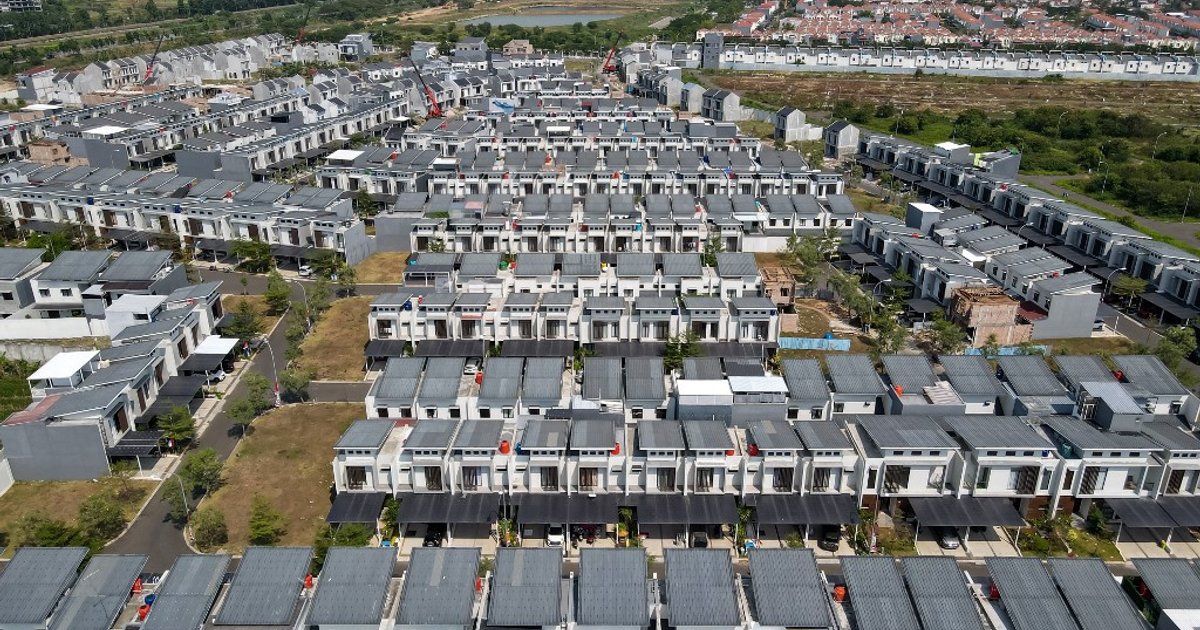
The Indonesian Ministry of Health (Kemenkes) has unveiled plans to collaborate with the Ministry of Housing and Urban Development (PKP) to renovate 2000 homes by 2026, as part of its efforts to combat tuberculosis (TB) in the country. This project aims to enhance ventilation in homes, which significantly contributes to reducing the spread of this disease that predominantly affects the poorest communities.
Deputy Minister of Health, Benjamin Paulus Octavianus, emphasized that tuberculosis often affects individuals living in inadequate housing conditions, particularly among low-income groups. He noted that improving housing conditions can have a substantial impact on lowering TB infection rates, as good ventilation plays a crucial role in preventing the spread of germs.
Event Details
During a press conference, the deputy minister explained that many homes owned by low-income families lack proper ventilation, leading to the accumulation of germs over extended periods. He pointed out that germs can survive in closed spaces for long durations if adequate ventilation is not provided, increasing the risk of infection.
The project will focus on renovating homes owned by residents, rather than those that are rented, to ensure the sustainability of the improvements. Additionally, 3000 homes have been identified as a priority for renovation, with a focus on families in the most need, such as those classified in poverty categories 1-2.
Background & Context
Tuberculosis is considered an ancient disease that continues to pose a significant public health challenge in many countries, including Indonesia. Despite advancements in modern medicine, TB remains prevalent in impoverished communities where families lack the resources necessary to improve their living conditions.
It is noteworthy that the Indonesian government has launched several initiatives to combat tuberculosis, including providing free screenings and treatment. However, improving housing conditions is a vital step in addressing the root causes of the disease.
Impact & Consequences
The home renovation project is expected to have a positive impact on public health in Indonesia. Enhancing ventilation in homes can reduce TB infection rates, thereby alleviating the burden on the healthcare system. This initiative also reflects the government's commitment to tackling the health and social challenges facing the nation.
Furthermore, the collaboration between different ministries underscores the importance of joint efforts in addressing complex health issues. Tuberculosis is not merely a health concern; it is also linked to social problems such as poverty and inadequate housing.
Regional Significance
Indonesia's experience in combating tuberculosis serves as a model that Arab countries can benefit from, as some nations face high rates of infectious diseases. Arab countries can draw inspiration from this inter-ministerial collaboration in formulating comprehensive strategies to combat poverty-related diseases.
In conclusion, this project represents a significant step towards improving public health in Indonesia and highlights the importance of collaboration across various sectors to address health challenges.