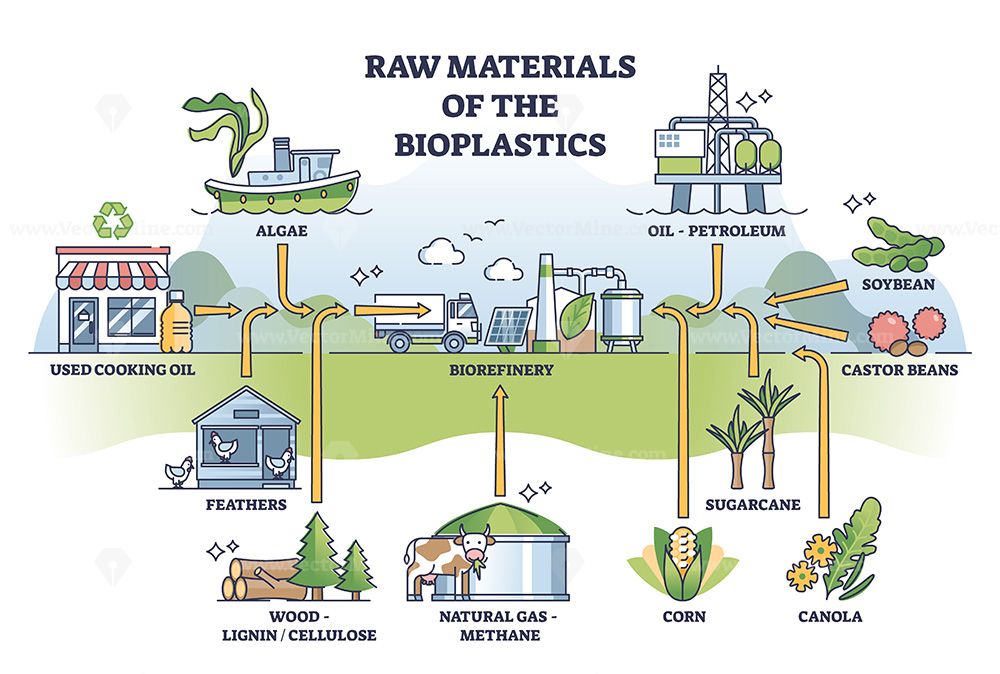
Indonesian Trade Minister Budi Santoso confirmed that the Indonesian government is working to find alternative sources for raw materials used in plastic production, amid political and economic tensions impacting naphtha imports from the Middle East. This statement was made during a press conference held in Jakarta, where he explained that this step is a precautionary measure to address any potential supply disruptions.
Minister Santoso pointed out that Indonesia heavily relies on naphtha imported from the Middle East, making it vulnerable to fluctuations in the global market. He added, "We are looking for alternatives from other countries such as India and some nations in Africa and America, but this process will take time."
Details of the Initiative
Naphtha is a crucial chemical compound used in plastic production and forms an essential part of the industrial supply chain. Santoso noted that the government has already begun discussions with several countries to secure alternative supplies, emphasizing the importance of maintaining price stability in the local market.
He also confirmed that the Ministry of Trade continues to communicate with industrial associations and relevant parties to ensure the continuity of local plastic production, indicating that the current situation is not limited to Indonesia alone but also affects other countries such as Singapore, South Korea, Thailand, and Taiwan.
Background & Context
Historically, Indonesia has relied on naphtha imports from the Middle East, a region known for being one of the largest producers of oil and gas. With the rising political tensions in the area, many countries have begun implementing measures to protect their raw material supplies, which has impacted global markets.
In this context, South Korea recently imposed a ban on naphtha exports as part of its efforts to secure its domestic supplies, increasing pressure on other countries that depend on this material.
Impact & Consequences
The Indonesian government anticipates that these changes will affect plastic prices in the local market, as officials seek quick solutions to ensure price stability. If supply disruptions continue, other industries reliant on plastic may also be impacted, potentially leading to price increases and a decline in production.
Additionally, the search for alternative sources may open new avenues for trade cooperation between Indonesia and other countries, enhancing economic relations and reducing dependence on a single region.
Regional Significance
The Arab region is also facing similar challenges regarding supplies, as many countries depend on importing raw materials from abroad. Indonesia's search for alternative sources could strengthen trade cooperation between Arab nations and Indonesia, contributing to food and industrial security.
In conclusion, this Indonesian initiative represents a strategic step towards enhancing economic independence and reducing reliance on specific sources, which could positively impact the Indonesian economy and its trade relations with other countries.