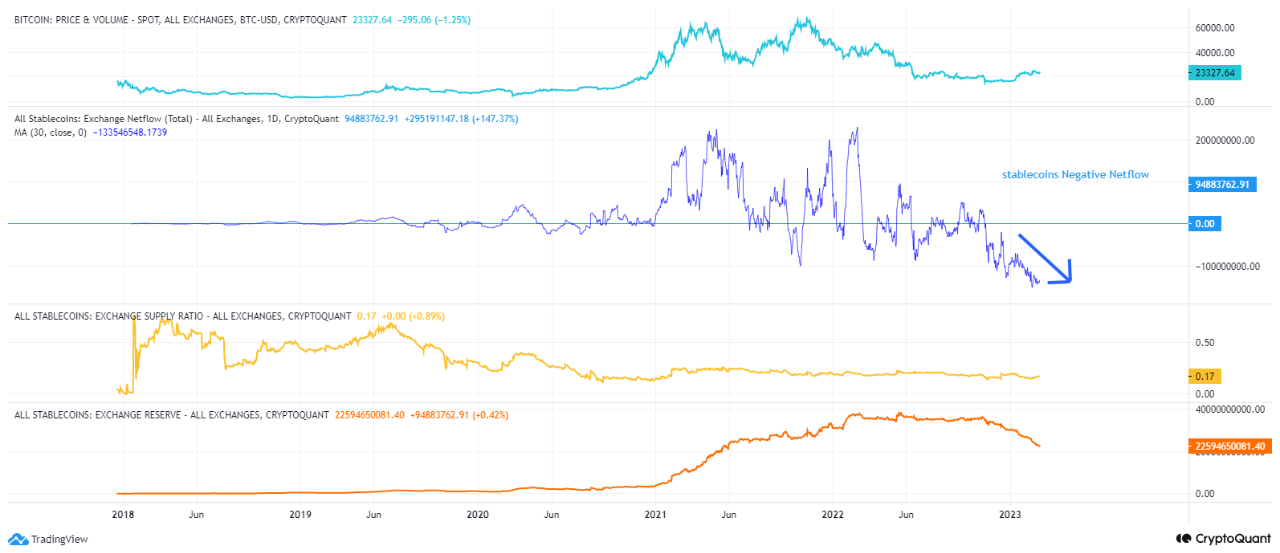
Indonesia has experienced a significant decline in cryptocurrency transactions during February 2026, with the total transaction value reaching 24.33 trillion rupiah, a substantial drop compared to the 29.28 trillion rupiah recorded in January of the same year. This downturn occurs amid increasing global economic fluctuations, which directly affect financial markets.
During a press conference held in Jakarta, Ade Budiyarsso, the head of the Indonesian Financial Services Authority (OJK), explained that this decline in cryptocurrency transactions is closely linked to global economic developments, particularly geopolitical conflicts in the Middle East.
Details of the Event
Ade reported that geopolitical tensions have led to a decreased appetite for risk in global financial markets, negatively impacting decentralized trading platforms. He also noted that stringent monetary policies, such as rising interest rates in the United States, have contributed to significant market sell-offs, resulting in a reduction in transaction volumes within the cryptocurrency market.
Ade anticipates that 2024 will be a strong year for the cryptocurrency market; however, the market underwent a price correction in 2025, which led to a decline in transaction volumes. Under these circumstances, the authority continues to enhance the development of the cryptocurrency ecosystem through structural measures aimed at consumer protection.
Background & Context
Indonesia is considered one of the countries that has witnessed remarkable growth in cryptocurrency usage in recent years. However, fluctuations in the global market, along with local economic challenges, have impacted this growth. In previous years, Indonesia has sought to develop a regulatory framework that ensures transaction safety and investor protection.
Historically, cryptocurrencies have experienced significant ups and downs, initially regarded as high-risk investments. As awareness and adoption have increased, governments worldwide have begun to implement regulations to govern this sector, affecting how investors interact with these assets.
Impact & Consequences
The decline in cryptocurrency transactions in Indonesia could have widespread implications for the local economy. A decrease in transaction volumes may lead to diminished market confidence, potentially affecting future investments. Additionally, geopolitical tensions could result in further market volatility, increasing risks for investors.
On the other hand, the Indonesian Financial Services Authority's efforts to strengthen the cryptocurrency system may help restore market confidence. By improving exchange management and providing greater consumer protection, the market could realign itself and regain its previous momentum.
Regional Significance
The Arab region is also part of the global cryptocurrency market, with many Arab countries witnessing an increase in the use of these assets. The challenges faced by Indonesia may reflect similar trends in the region, as geopolitical and economic tensions impact financial markets worldwide.
In light of these circumstances, Arab countries must adopt effective strategies to regulate the cryptocurrency market, ensuring investor protection and enhancing market stability. Strengthening cooperation among Arab nations in this field could contribute to achieving positive long-term outcomes.