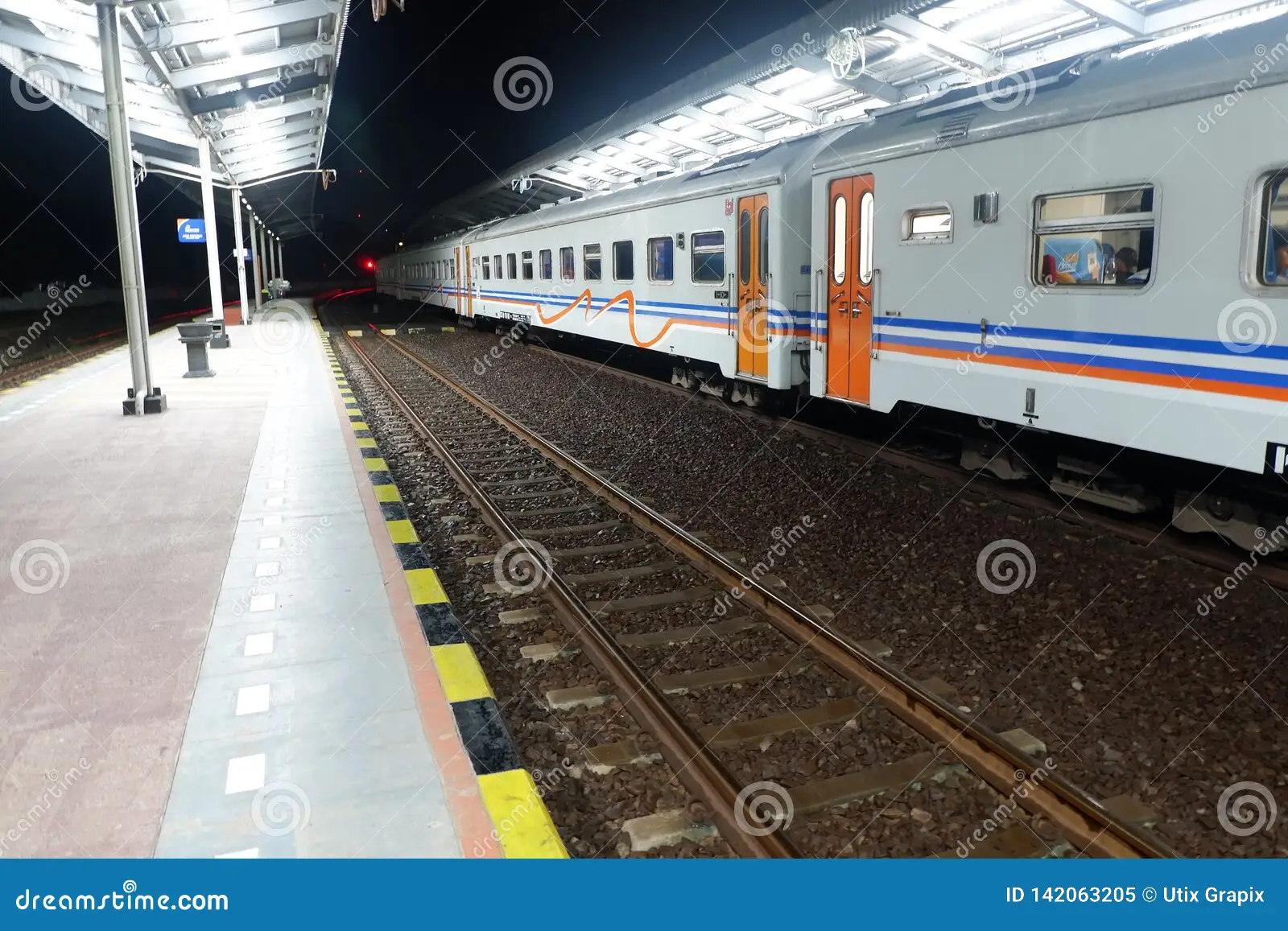
The Indonesian railway company (PT Kereta Api Indonesia) has announced that the return traffic in the Kay Daub 8 area of Surabaya remains high, with an expected 52,409 passengers benefiting from train services on March 29, 2026. The Public Relations Manager of Kay Daub 8, Mehendro Trang Pawano, noted that the number could rise as train departure and arrival schedules continue into the late hours.
Three stations in the area recorded the highest volume of passengers, with Surabaya Gubeng station being the busiest, accommodating 16,294 travelers, of whom 6,584 boarded and 9,710 disembarked. It was followed by Surabaya Pasarturi station with 15,104 passengers, including 6,467 who boarded and 8,637 who disembarked, while Malang station recorded 8,358 passengers, with 2,836 boarding and 5,522 disembarking.
Event Details
During the Eid al-Fitr period of 2026, from March 11 to 29, Kay Daub 8 in Surabaya served a total of 902,543 passengers, with 457,917 departing and 444,626 arriving. The total number of travelers during this period is expected to reach 990,294, with 497,008 departing and 493,286 arriving.
The peak of return traffic was observed on March 24, 2026, with a total of 57,210 passengers, including 31,684 arrivals and 25,526 departures. To ensure smooth travel, Kay Daub 8 advised passengers not to arrive at the station close to departure times and to arrive early to avoid the risk of missing their train.
Background & Context
The Eid al-Fitr period in Indonesia is one of the busiest times for transportation, as many Indonesians travel to their hometowns to celebrate with family. In recent years, Indonesian railways have seen a significant increase in passenger numbers, reflecting improvements in public transport services and increased reliance on them.
The Indonesian government aims to enhance and expand the railway network to meet the growing demand, as railways are considered an efficient and environmentally friendly mode of transport compared to private cars.
Impact & Consequences
These figures indicate a recovery of the Indonesian economy following a period of restrictions due to the COVID-19 pandemic. The increase in passenger traffic also reflects improved public confidence in transport services, which may lead to further investments in this sector.
Railways contribute to reducing traffic congestion and lowering carbon emissions, aligning with global environmental goals. Additionally, the rise in passenger numbers could lead to improved services and increased financial returns for the company.
Regional Significance
Although this news pertains to Indonesia, there are lessons that Arab countries can learn. Increasing reliance on public transport such as railways can enhance quality of life and reduce congestion in major cities.
Arab countries, which face severe traffic issues, can draw inspiration from Indonesia's experience in developing railway networks, which could contribute to achieving sustainable development.
In conclusion, the high passenger traffic in Indonesia reflects the government's successful efforts to enhance transport services, opening new avenues for economic growth and sustainable development.