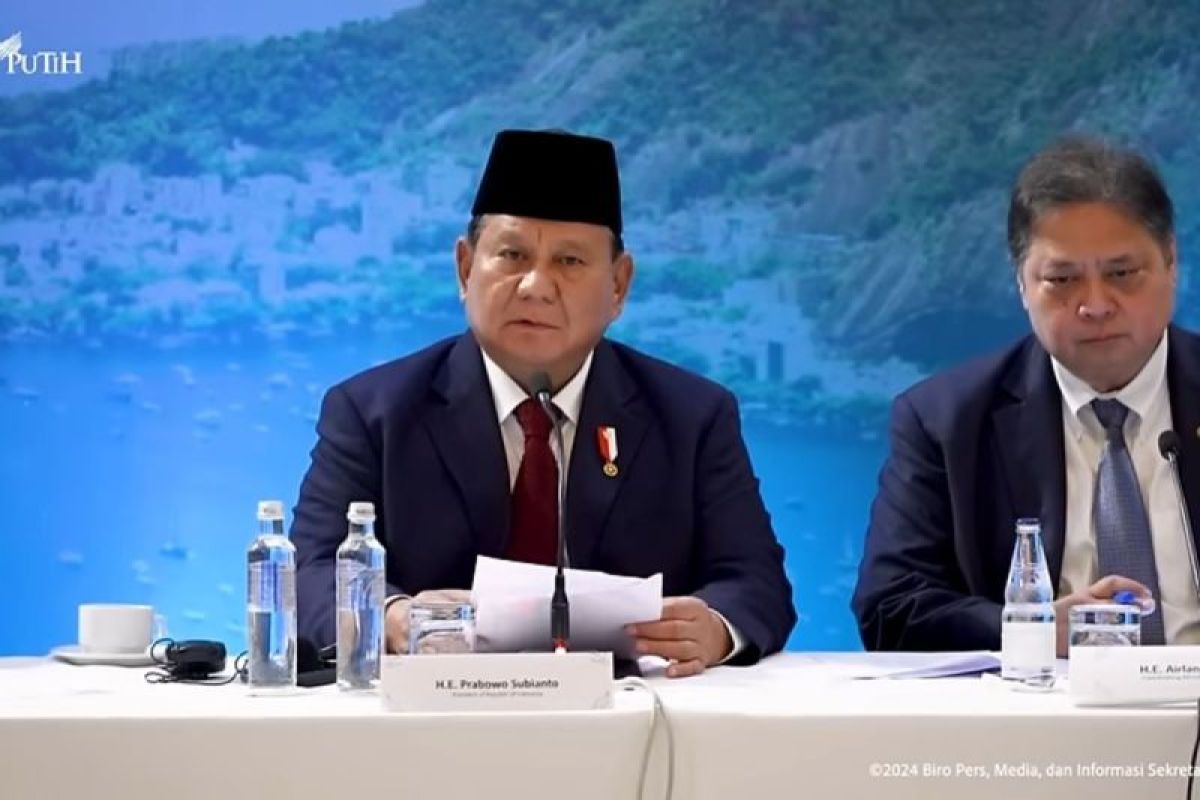
Indonesian President Prabowo Subianto asserted that the current global crisis, resulting from conflicts and wars, represents a strategic opportunity for Indonesia to enhance the development of renewable energy. This was stated during a meeting held at the presidential palace in Jakarta, where Subianto urged ministers and senior officials to focus on accelerating the country's steps towards reliance on renewable energy sources.
In his remarks, Subianto explained that this crisis should be viewed as an opportunity to strengthen energy independence, highlighting the importance of developing biodiesel from local sources such as corn and cassava as alternatives to traditional fuels like diesel and gasoline. This initiative aims to reduce dependence on fossil fuel imports and enhance the utilization of the natural resources available in the country.
Details of the Meeting
During the meeting, Subianto pointed out that Indonesia possesses a strong economic base that enables it to face challenges arising from global disruptions in energy supplies. He confirmed that the country is not significantly exposed to the impacts of supply shortages due to the presence of independent local energy sources.
Subianto also added that Indonesia is capable of producing fuel from coal, which enhances its ability to meet its energy needs. He clarified that the country has the potential to be a reliable alternative in the global energy market.
Background & Context
Historically, Indonesia has undergone significant transformations in the energy sector, having heavily relied on fossil fuels. With the growing global awareness of the importance of transitioning to renewable energy, the Indonesian government has begun taking serious steps towards achieving this goal. The current crisis accelerates these efforts, making it a golden opportunity to shift towards clean energy sources.
Indonesia is considered one of the largest oil and gas producers in Southeast Asia; however, it faces significant challenges in achieving sustainability in this sector. Therefore, transitioning to renewable energy is a strategic step towards achieving energy security.
Impact & Consequences
The Indonesian government anticipates that these transformations will enhance the national economy and reduce reliance on imports. Additionally, developing renewable energy will contribute to creating new job opportunities and improving the living standards of the population.
Moreover, this transition may position Indonesia strongly on the international stage as a major supporter of renewable energy, enhancing its status as a leading country in environmental innovation.
Regional Significance
Indonesia serves as a model for Arab countries seeking to diversify their energy sources and transition towards renewable energy. Arab nations can benefit from the Indonesian experience in developing sustainable energy strategies, especially in light of global environmental challenges.
In the context of the global shift towards clean energy, there could be opportunities for collaboration between Indonesia and Arab countries in the fields of research and development in renewable energy.