Indonesia's government has taken steps to support farmers by announcing that subsidized fertilizer prices will remain stable, despite the current tensions in the Hormuz Strait. This decision was made by Agriculture Minister Andi Amran Sulaiman during a press conference following a meeting with the agriculture committee in the Indonesian parliament.
The minister explained that this move is in response to President Joko Widodo's instructions, where strategic measures have been taken to reduce subsidized fertilizer prices by up to 20%, a historic achievement in Indonesia's history.
Details
During the meeting, Sulaiman confirmed that the government is working to increase the volume of subsidized fertilizers available to farmers, with a target of 9.8 million tons by 2026, benefiting around 14.1 million farmers across Indonesia. This initiative reflects the government's commitment to achieving sustainability in the agricultural sector amidst global challenges.
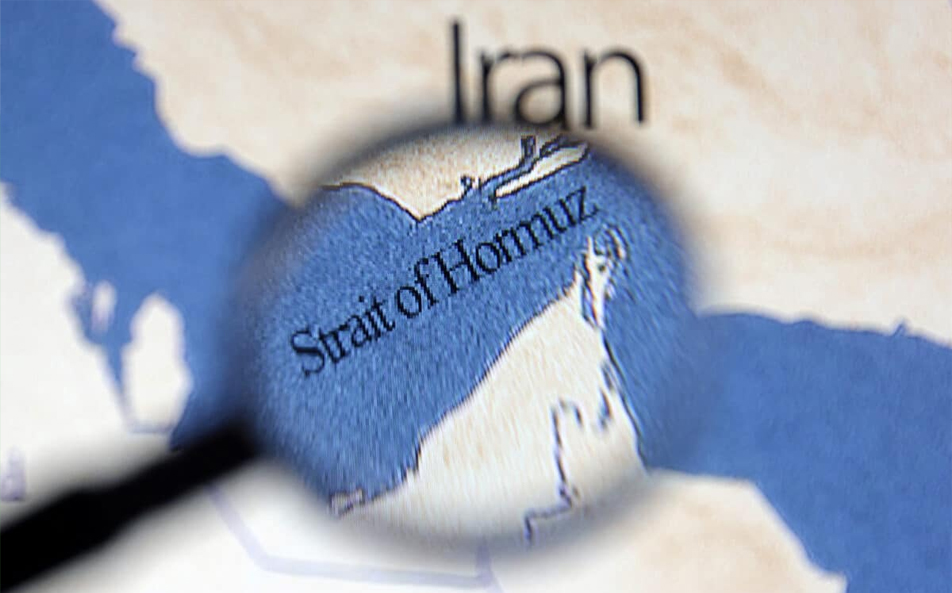
Meanwhile, the general manager of PT Pupuk Indonesia, Rhaddy Priyadi, assured that the country's national fertilizer stockpile will not be affected by the tensions in the Hormuz Strait, as Indonesia has 1.29 million tons of stored fertilizers, with all factories operating efficiently. He highlighted the importance of the Hormuz Strait as a major waterway for global fertilizer trade, accounting for around 30% of the world's fertilizer trade.
Background & Context
The Hormuz Strait is one of the world's most critical waterways, with around a third of the world's oil passing through it. Any disruptions in this strait can significantly impact global markets, including the fertilizer market. However, Indonesia has managed to maintain stability due to its investments in the local fertilizer industry over the years.
Historically, Indonesia has relied heavily on imports to meet its fertilizer needs, but the government has worked to boost local production, reducing dependence on external markets.
Impact & Consequences
These Indonesian measures are crucial not only for local farmers but also for the global agricultural sector. Amidst current disruptions, other countries like Brazil, India, and Australia may face difficulties in accessing fertilizers, potentially affecting their agricultural production.
Regional Significance
Indonesia's efforts to stabilize fertilizer prices have regional implications, as the country's agricultural sector plays a significant role in the global market. The country's commitment to sustainability and self-sufficiency in fertilizer production can serve as a model for other nations in the region.
By maintaining stability in the fertilizer market, Indonesia can ensure a stable food supply, contributing to regional food security. This, in turn, can have a positive impact on the economy and social stability in the region.