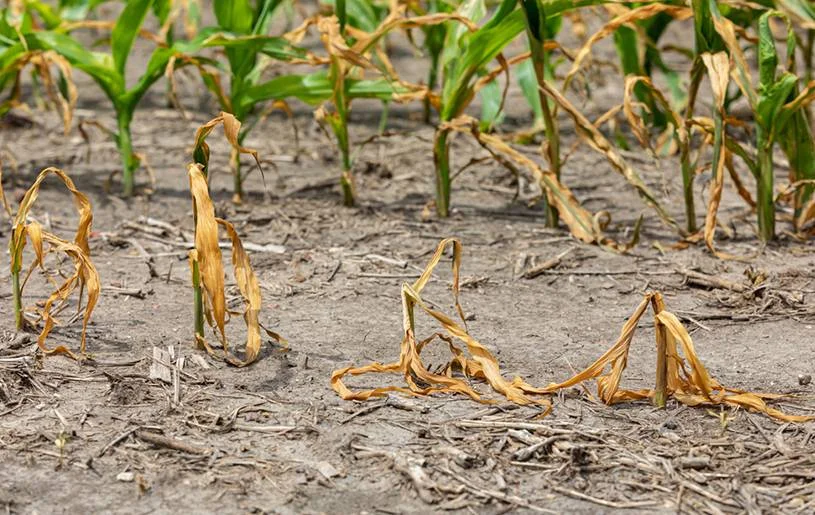
Indonesian Public Works Minister, Dody Hanggodo, has unveiled new strategies to combat the prolonged drought threatening the country's food security due to the effects of the El Niño phenomenon. This announcement was made during his statements in Boyolali, where he emphasized the importance of taking effective steps to ensure the continuity of agricultural production under challenging climatic conditions.
Hanggodo noted that the government will implement weather modification operations, targeting the upper areas of dams to accelerate rainfall, which will assist in water storage in the dams. He also confirmed collaboration with the Ministry of Agriculture to prepare necessary water pumping systems for irrigating drought-affected agricultural lands.
Event Details
The minister explained that the water pumping program, successfully implemented in previous years, will help support agricultural production at the national level. He affirmed that these strategies are not new but have been used in the past to achieve positive results in facing climatic challenges.
In a related context, Indonesian Agriculture Minister, Andi Amran Sulaiman, confirmed that the country's rice stock is in good condition, sufficient to meet market needs for up to ten months. He pointed out that the current stock does not include new crops that will be planted soon, increasing reassurance about food availability in the future.
Background & Context
The El Niño phenomenon is a climatic event that affects weather patterns in many countries, including Indonesia. Historically, the country has experienced negative impacts from this phenomenon, leading to prolonged drought periods that have affected agricultural production. However, the Indonesian government is striving to develop effective strategies to tackle these challenges.
It is noteworthy that Indonesia is not the only country facing this phenomenon, as many nations in the region are suffering from the effects of El Niño, highlighting the importance of regional cooperation in addressing climatic challenges.
Impact & Consequences
The Indonesian government anticipates that the effects of the El Niño phenomenon will last for six months, which may have a limited impact on food stocks. However, the strategies being implemented aim to mitigate any potential negative effects on food security.
These steps are essential to ensure price stability in the local market, contributing to the strengthening of the national economy. Additionally, enhancing food security is one of the government's top priorities, especially amid global economic challenges.
Regional Significance
Arab countries also face similar challenges regarding food security, particularly in light of climatic changes affecting agriculture. Arab nations could benefit from Indonesian experiences in combating drought by adopting similar strategies to enhance agricultural production and ensure its sustainability.
In conclusion, food security remains a vital issue that requires international attention and cooperation among countries to address the increasing climatic challenges.