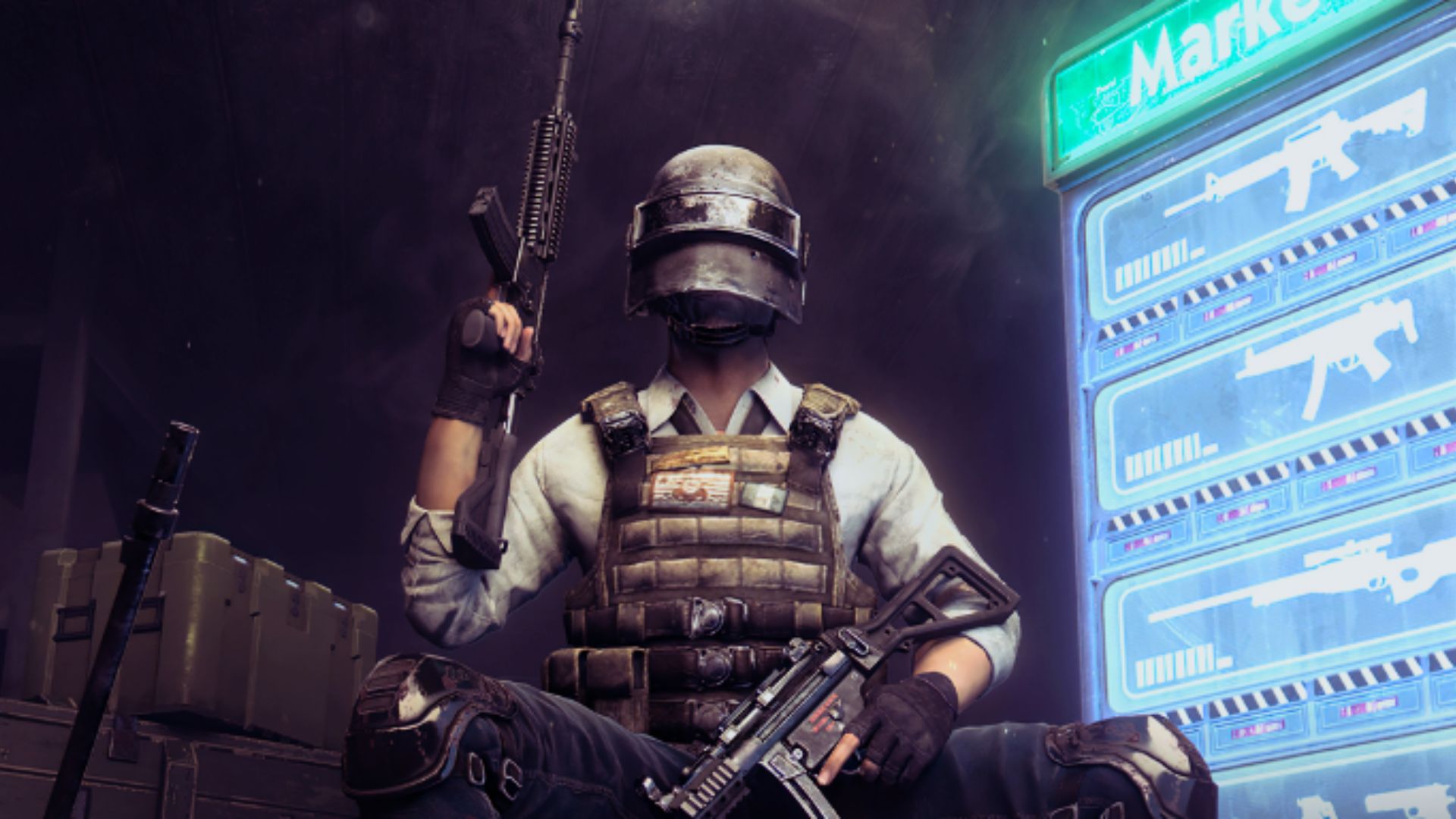
In a move reflecting Indonesia's commitment to enhancing the gaming and esports industry, the Ministry of Creative Economy confirmed its support during the eighth anniversary celebration of PUBG MOBILE held in Surabaya on March 28 and 29, 2026. The event was attended by the Deputy Minister of Creative Economy, Irin Omar, who noted that gaming represents one of the strategic sectors in the Indonesian creative economy.
During her speech, Irin emphasized that Indonesia is not just a market for games but also a source of creative talent. She explained that the ministry aims to encourage global gaming companies to collaborate with local creators, contributing to enhancing Indonesia's position on the global gaming industry map.
Event Details
The celebration witnessed a significant turnout from various parts of Indonesia, with the Deputy Minister of Creative Economy pointing out that Indonesian players rank second globally after China. Irin confirmed that Indonesia has the capacity to develop outstanding digital content, which contributes to strengthening its position in the gaming industry.
Additionally, Irin stressed the importance of building a creative value chain that includes developers, artists, screenwriters, musicians, analysts, and community managers. She highlighted the ministry's commitment to developing a work environment that fosters the emergence of professional players and talents behind the scenes in this industry.
Background & Context
The gaming and esports industry is one of the fastest-growing sectors in the world, with Indonesia experiencing notable development in this field in recent years. With the increasing number of players and developers, Indonesia has become an important hub in the gaming industry in Southeast Asia.
Historically, Indonesia began investing in the creative economy several years ago, with the government launching various initiatives to support local creators. As awareness of the importance of this sector has grown, global companies have started to view Indonesia as a promising market.
Impact & Consequences
The Indonesian government aims to achieve several goals through its support for the gaming industry, including boosting the local economy and creating new job opportunities. These steps may also help attract foreign investments, thereby enhancing economic growth in the country.
Moreover, government support for the gaming industry can contribute to developing the skills of Indonesian youth, enhancing their opportunities in the global job market. Strengthening collaboration between local creators and global companies could lead to the production of outstanding digital content that contributes to enhancing Indonesian cultural identity.
Regional Significance
The gaming and esports industry is also witnessing increasing interest in the Arab region. Many Arab countries have started investing in this sector, reflecting the importance of collaboration between Arab nations and Indonesia in this field.
Indonesia can serve as a model for Arab countries on how to develop the gaming industry, as experiences and technologies can be exchanged between both sides. Furthermore, enhancing cooperation in this area can contribute to the development of Arabic digital content and strengthen cultural identity.