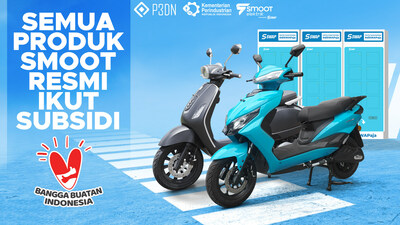
Indonesian Minister of Industry Agus Gumiwang Kartasasmita announced that his ministry is still examining the details of the electric bicycle support program, including the amount of support and its distribution mechanism. This initiative is part of the government's efforts to enhance sustainability and reduce reliance on fossil fuels. The minister confirmed that a final decision on the amount of support has not yet been made, as discussions are still ongoing among the relevant technical teams.
The minister pointed out that the proposed support figure, which amounts to approximately 5 million rupiah per unit, is still under review by the government. He stated, "Further discussions are needed on how to implement the program, including the related business operations." He also emphasized that this support is part of the government's strategy to enhance national energy security.
Event Details
In a related context, the minister highlighted the importance of reducing reliance on fossil fuel imports, especially amid global geopolitical tensions. He explained that supporting electric bicycles is not only aimed at reducing emissions but also contributes to enhancing the country's ability to face energy crises. He added, "Reducing the need to import fossil fuels is crucial at this time."
The minister also touched upon the possibility of expanding the support program to include electric cars, indicating that the government is striving for a comprehensive transition towards the use of electric vehicles. He affirmed that this transition aligns with the country's environmental and economic goals.
Background & Context
Indonesia, like many other countries, is seeking to achieve sustainable development goals and reduce carbon emissions. Electric bicycles could represent part of the potential solutions to achieve these goals. In recent years, Indonesia has seen a growing interest in clean energy technology, reflecting the global trend towards sustainability.
Historically, Indonesia has heavily relied on fossil fuels, making it vulnerable to fluctuations in global oil prices. With increasing environmental pressures, the government has begun to seek more sustainable alternatives. Electric bicycles could be one of these alternatives, providing a practical and cost-effective solution.
Impact & Consequences
If the support program is implemented effectively, it could lead to a significant increase in the use of electric bicycles in Indonesia. This, in turn, could contribute to reducing emissions and improving air quality in major cities. Additionally, this shift could open new horizons for the electric bicycle industry in the country, boosting the local economy.
However, the biggest challenge remains how to implement this program in a way that reflects the needs of the local market. Careful planning is required to ensure that the support reaches the targeted groups effectively.
Regional Significance
Many Arab countries are also striving to achieve similar goals in renewable energy and sustainability. Indonesia's experience in supporting electric bicycles could serve as a model for the region. Arab countries could benefit from this experience to reduce their reliance on fossil fuels and enhance the use of clean energy.
Ultimately, this transition in Indonesia represents an important step towards a more sustainable future. With increasing environmental awareness, we are likely to witness more initiatives in this direction globally.