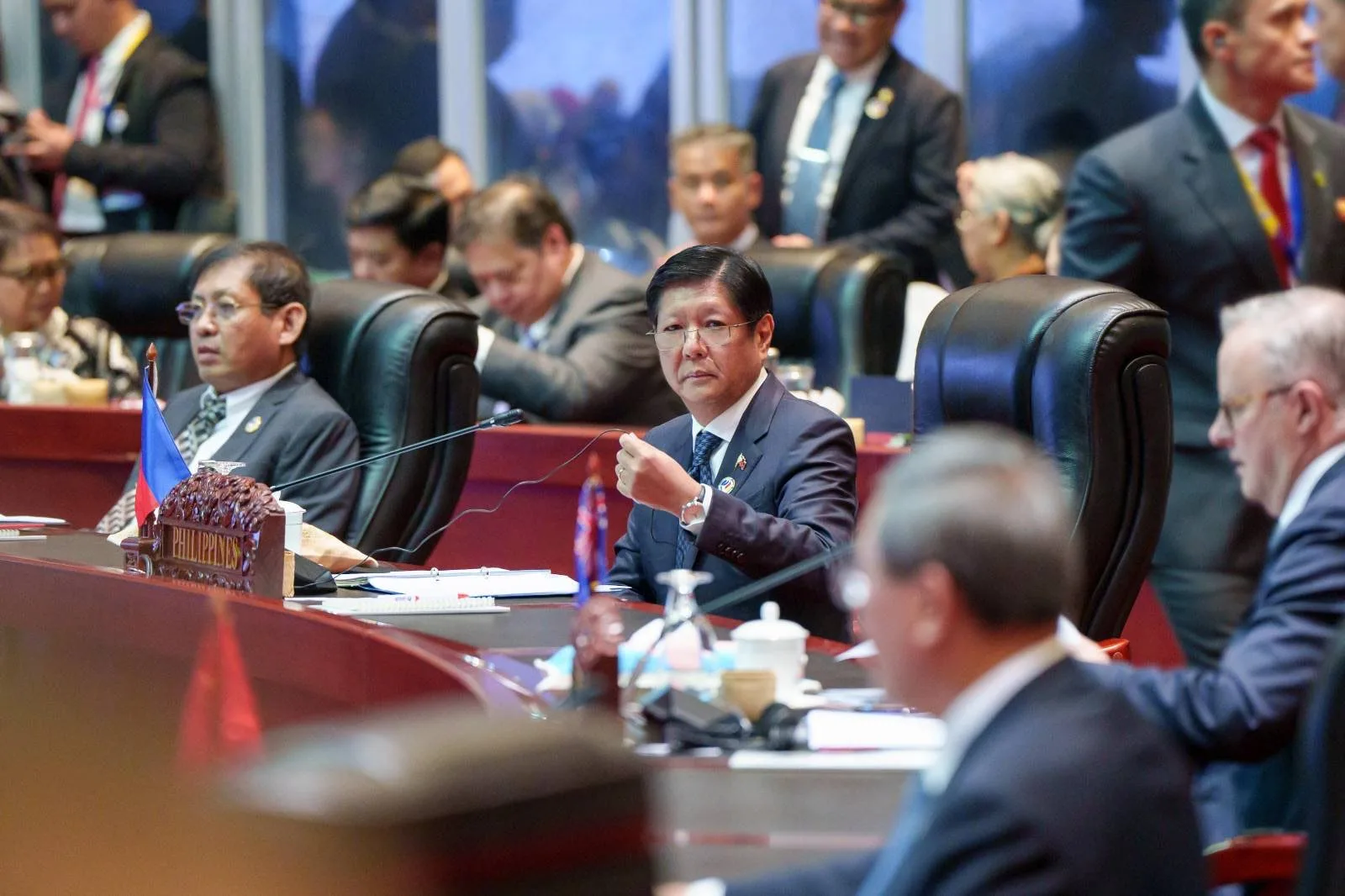
Indonesia has announced its support for the Philippines' decision, which is currently holding the ASEAN presidency this year, to modify the format of meetings in light of the effects stemming from the conflict in the Middle East. The spokesperson for the Indonesian Ministry of Foreign Affairs, Fahd Nabi Al-Abd Al-Mulhaq, confirmed that the Philippine government has adjusted the agenda of the meetings, including shifting some events to virtual meetings.
During a press conference in Jakarta, Nabi explained that Indonesia, as a member state of ASEAN, will adhere to the modifications set forth by the Philippine presidency. He noted that these steps come after consultations with all ASEAN member states.
Event Details
According to reports from the Philippine News Agency, Philippine President Ferdinand Marcos Jr. announced that the 48th ASEAN Summit will be held in Cebu City from May 8 to 9, 2026, but with significant simplifications in its organization due to the tense situation in the Middle East. Marcos explained that the decision came after consultations with leaders from Southeast Asian countries, where the possibility of postponing the summit was considered.
Marcos confirmed that the upcoming summit will be held in a "very simplified" manner, focusing on three main areas: energy, food, and migrant labor. He indicated that this summit will be crucial for helping ASEAN leaders determine how to cooperate in the future and how to take unified positions regarding current dynamics.
Background & Context
Historically, ASEAN has been a vital platform for regional cooperation in Southeast Asia, where member states seek to enhance stability and economic development. However, regional tensions, particularly those related to conflicts in the Middle East, have impacted the ability of member states to meet effectively. These circumstances have led to the need to adjust the meeting format to be more suitable for the current situation.
It is also important to note that the Philippines, as the host country, continually seeks to enhance its leadership role within ASEAN, which requires it to take flexible steps that align with global challenges.
Impact & Consequences
The adjustments made by the Philippines to the meeting format could significantly affect how ASEAN addresses regional and international issues. By shifting to virtual meetings, member states can ensure the continuity of dialogue and cooperation, even under challenging circumstances. This trend may open the door for further innovations in how international events are organized in the future.
Moreover, the focus on areas such as energy, food, and migrant labor reflects the pressing challenges faced by ASEAN countries, thereby underscoring the importance of this summit in developing effective strategies to confront crises.
Regional Significance
In the context of ongoing events in the Middle East, the modifications to ASEAN's meeting format may have indirect effects on Arab countries. Regional cooperation in Asia can provide lessons on how to handle crises, which may assist Arab nations in strengthening their own strategies. Additionally, the emphasis on issues such as energy and food may resonate in the Arab region, which faces similar challenges.
In conclusion, this decision by the Philippines and Indonesia represents an important step towards enhancing regional cooperation amid changing circumstances. ASEAN's ability to adapt to current challenges may serve as a model for other countries around the world.