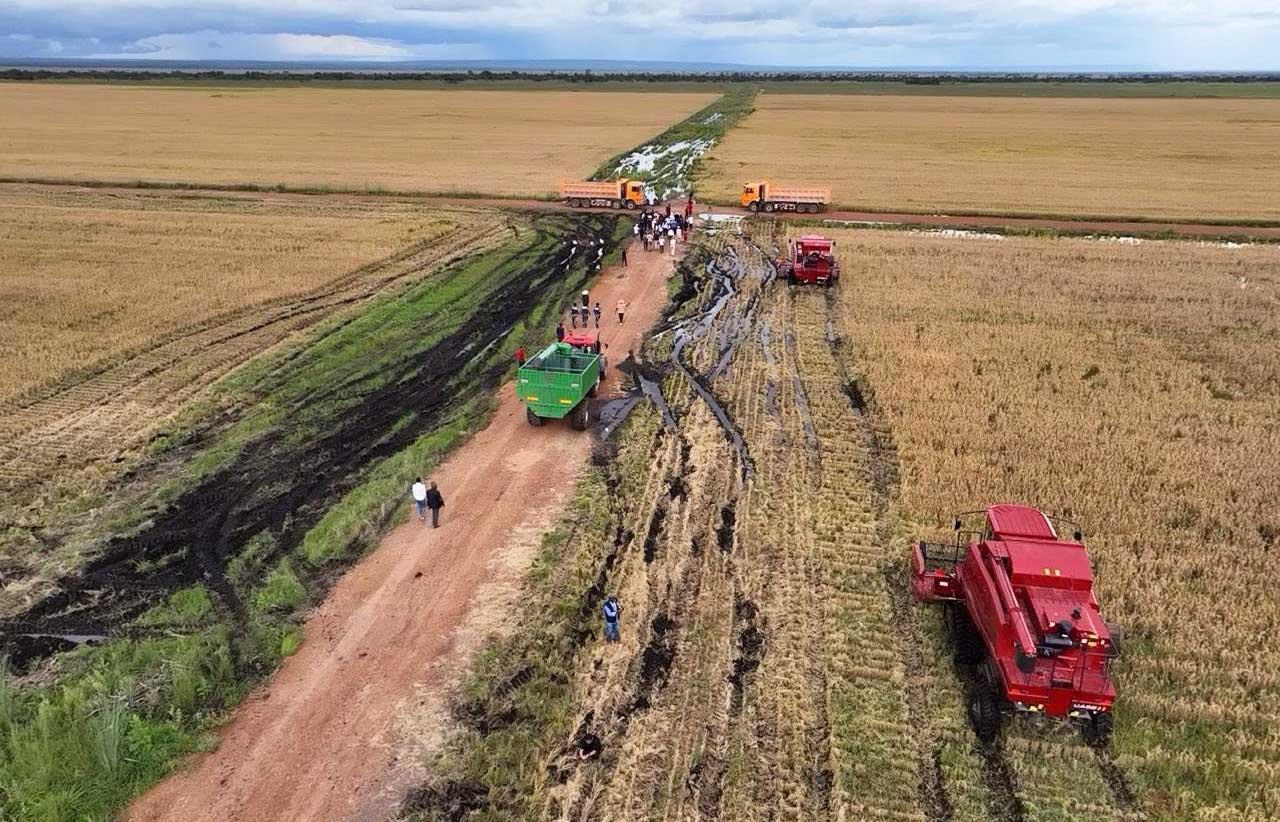
In a significant move to tackle climate challenges, Indonesian Agriculture Minister Andi Amran Sulaiman has called on local governments to expedite the identification of agricultural areas vulnerable to drought. This call comes amid forecasts of severe drought due to the El Niño phenomenon, necessitating effective measures to safeguard agricultural production and ensure food security in the country.
During a meeting with the Indonesian Parliament's Agriculture Committee, Sulaiman emphasized the need for a comprehensive early warning system aimed at periodically monitoring areas suffering from drought. He noted that this system would enable authorities to take swift and effective actions to mitigate the effects of drought on agricultural crops.
Event Details
The minister stressed the importance of cooperation among various government and local entities to ensure the success of this initiative. He explained that the Ministry of Agriculture will work on improving water management by rehabilitating irrigation networks and constructing new water reservoirs, in addition to enhancing the use of modern irrigation technologies.
Sulaiman also mentioned that the government plans to distribute 171,000 units of agricultural equipment, including water pumps and tractors, from 2024 to 2025, to support farmers in facing climate challenges.
Background & Context
Historically, Indonesia has experienced several periods of drought due to the El Niño phenomenon, which affects weather patterns in the region. In 2015, the country faced a severe drought that impacted agricultural production, prompting the government to take extraordinary measures to ensure food security stability.
Indonesia is one of the countries that heavily relies on agriculture, with farming being a crucial part of the national economy. Therefore, any negative impact on agricultural production can lead to serious repercussions for food security and the economy as a whole.
Impact & Consequences
The El Niño phenomenon can lead to severe weather fluctuations, resulting in prolonged droughts that affect agricultural crops. If necessary measures are not taken, agricultural production in Indonesia could suffer significant damage, potentially leading to food supply shortages and rising prices.
Through these measures, the Indonesian government aims to reduce the risks associated with drought and ensure the continuity of agricultural production, reflecting its commitment to protecting national food security.
Regional Significance
The El Niño phenomenon is a global issue that affects many countries, including Arab nations. Climate changes can lead to drought in some regions, threatening food security in those countries. Therefore, Indonesia's experiences in combating drought may serve as a model for Arab nations facing similar challenges.
In conclusion, it is evident that Indonesia is adopting a comprehensive strategy to address the impacts of the El Niño phenomenon, highlighting the importance of proactive planning in facing climate challenges. Other countries, including those in the Arab region, should learn from these experiences to develop their own strategies for addressing climate change.