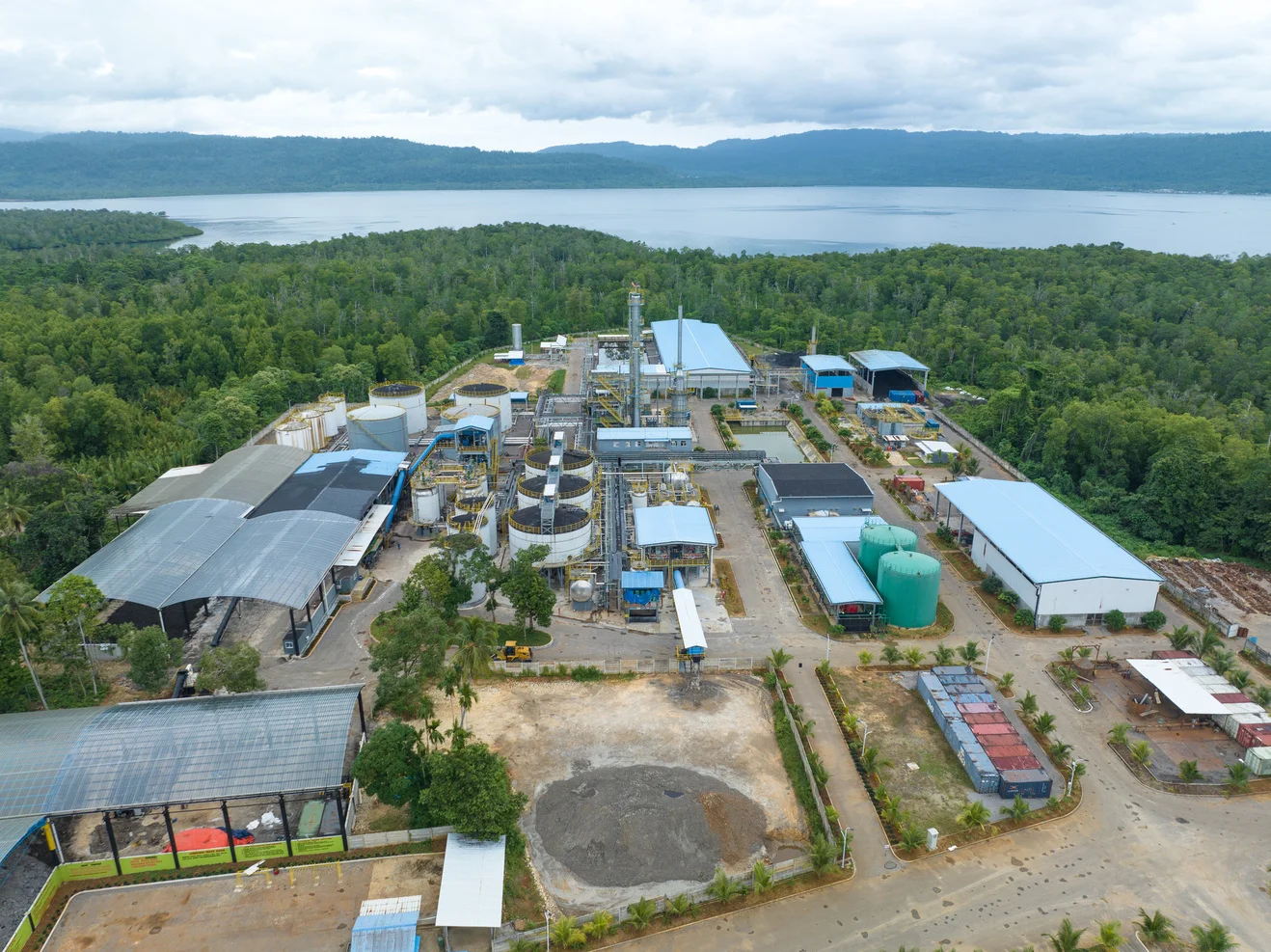
The Indonesian Ministry of Public Works has unveiled a strategic plan aimed at using 30% of locally sourced asphalt extracted from Buton Island in national road projects. This initiative is part of the government's efforts to achieve self-sufficiency in asphalt production, which is expected to save approximately 4 trillion Indonesian Rupiah (around 280 million USD) annually.
Buton Island is considered one of the main sources of asphalt in Indonesia, known for its high quality, making it suitable for road construction. Through this initiative, the government aims to reduce reliance on imports, boost the local economy, and create new job opportunities.
Details of the Initiative
The Ministry of Public Works aims to implement this project by 2025, where local asphalt will be used in new road projects and maintenance. The ministry has confirmed that using local asphalt will contribute to improving road quality and reducing long-term maintenance costs.
Additionally, the ministry emphasized that this step aligns with the government's vision to enhance infrastructure in the country, as Indonesia seeks to develop its road network to meet the needs of population and economic growth.
Background & Context
Historically, Indonesia has heavily relied on importing asphalt from other countries, which has been a burden on the national budget. With the increasing demand for infrastructure, it has become essential to explore local sources to meet this demand. Buton Island is rich in natural resources, making it an ideal choice for developing the local asphalt industry.
In recent years, the Indonesian government has taken several steps to enhance local production, including improving asphalt extraction techniques and developing the necessary infrastructure for its transport and use.
Impact & Consequences
This initiative is expected to improve the local economy by creating new job opportunities in Buton Island, as well as boosting investments in the construction sector. It will also help reduce costs associated with importing asphalt, leading to lower expenses for government projects.
Moreover, this project reflects the Indonesian government's commitment to achieving sustainable development, as it seeks to balance economic growth with environmental preservation through the use of local resources.
Regional Significance
Indonesia's experience in utilizing local asphalt serves as a model that Arab countries can benefit from, as many of these nations face similar challenges in infrastructure development. Arab countries with similar natural resources could benefit from developing local industries to meet their construction material needs.
Furthermore, enhancing self-sufficiency in producing essential materials can contribute to achieving economic stability and reducing dependence on global markets.
In conclusion, Indonesia's plan to use local asphalt represents a significant step toward achieving sustainable development and boosting the local economy. This project is expected to have a positive impact on the country's infrastructure and economy, making it a model to be emulated in the region.