The government of West Nusa Tenggara, Indonesia, aims to attract international tourists, particularly from Asia and Oceania, to enhance the local tourism sector. This initiative comes as Indonesia experiences a revival in tourism activities following the COVID-19 pandemic.
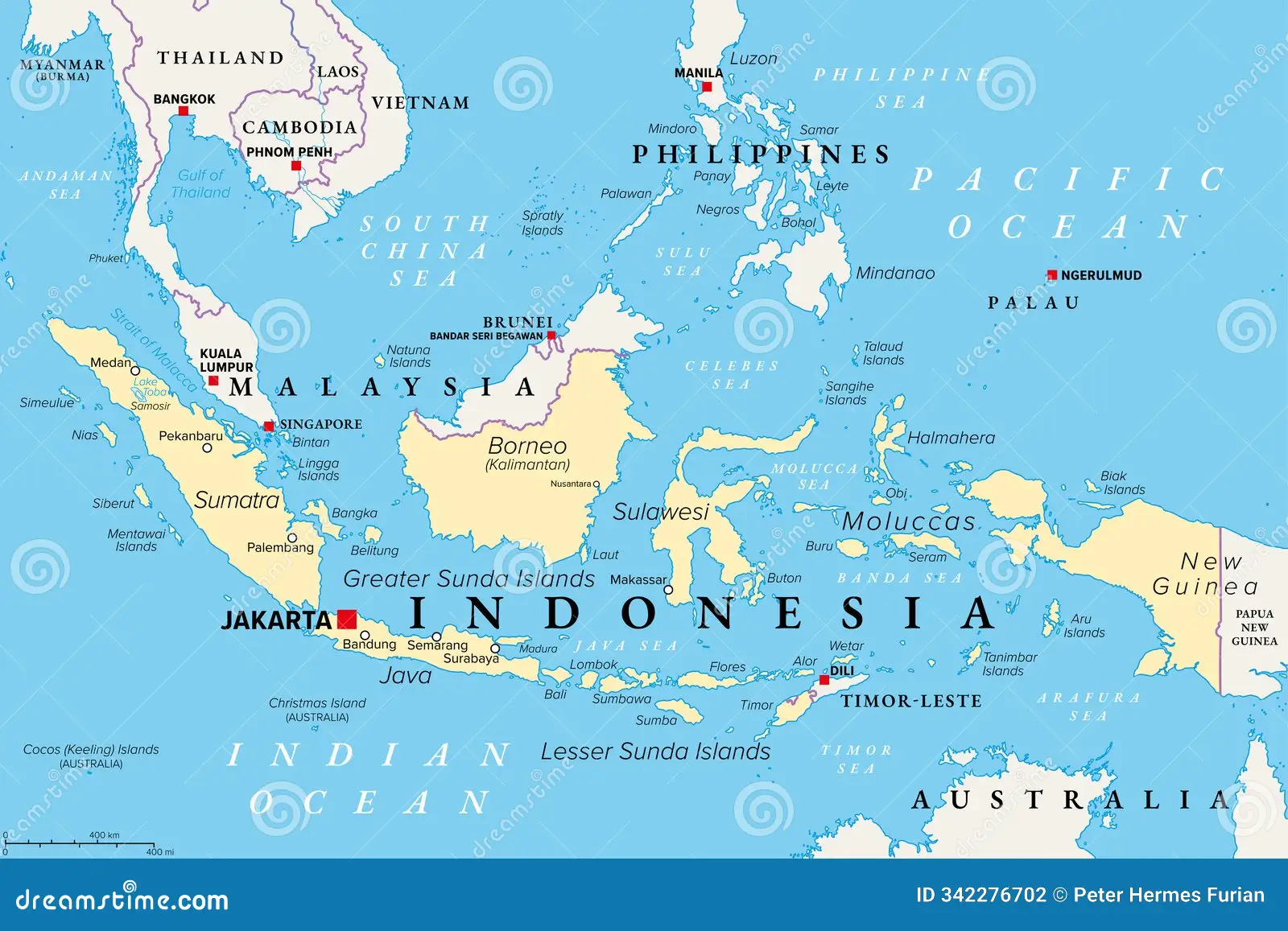
As part of these efforts, specific target markets have been identified, with the government focusing on tourists from Malaysia, Australia, and New Zealand. This approach is part of a broader strategy to boost tourism in the region, which is one of the main sources of economic revenue.
Event Details
The Indonesian government is working to restore tourism activity that has been significantly impacted by the COVID-19 pandemic. Data has shown that tourism represents a substantial percentage of Indonesia's GDP, making it essential to reactivate this sector. Promotional campaigns are expected to include special offers and facilities for travelers from the targeted countries.
Local authorities have also emphasized the importance of improving tourism infrastructure, including hotels and public facilities, to make the region more attractive to tourists. This aligns with the government's vision of promoting sustainable tourism that contributes to economic and social development.
Background & Context
Historically, Indonesia has been one of the leading tourist destinations in Southeast Asia, boasting unique cultural and natural diversity. However, the COVID-19 pandemic has severely affected this sector, leading to a sharp decline in tourist numbers. In recent years, the government has begun taking steps to enhance both domestic and international tourism, focusing on nearby markets.
Malaysia and Australia are among the largest tourist markets for Indonesia, with many citizens from these countries traveling to Indonesia annually. Therefore, targeting these markets is a strategic move aimed at restoring tourism activity.
Impact & Consequences
This initiative is expected to have a positive impact on the local economy, contributing to the creation of new job opportunities and increasing revenue. Additionally, an increase in tourist numbers will lead to improvements in service levels and infrastructure in the region.
Furthermore, boosting tourism can enhance cultural and economic relations between Indonesia and neighboring countries, opening avenues for further cooperation in various fields.
Regional Significance
For the Arab region, this Indonesian approach could have positive effects, as it may encourage Arab tourists to visit Indonesia, especially with the growing interest in cultural and religious tourism. Enhancing tourism in Indonesia could also open new horizons for tourism cooperation between Arab countries and Indonesia.
In conclusion, this initiative represents a positive step towards restoring tourism activity in Indonesia, with a focus on nearby markets. These efforts are expected to contribute to enhancing the local economy and improving the level of tourism services.