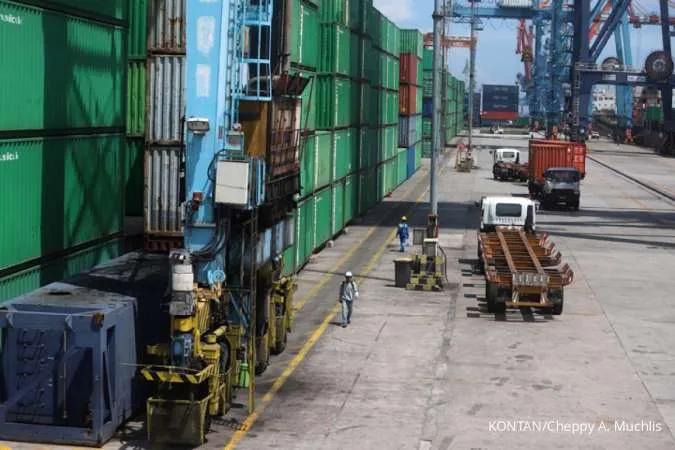
Indonesia recorded a trade surplus of $1.27 billion during February 2026, according to a report from Badan Pusat Statistik (BPS). The value of exports increased to $22.17 billion, while imports reached $20.89 billion.
During a press conference held in the capital Jakarta, Atung Hartono, Deputy Head of the Distribution and Services Statistics Division at BPS, explained that the value of exports saw an increase of 1.01% compared to the same period last year. He noted that this growth was supported by an increase in non-oil sector exports, particularly in certain goods such as vegetable oils, nickel, and electrical machinery and equipment.
Event Details
The report indicated that manufacturing exports in February 2026 rose by 5.24% compared to the same month last year, reflecting a notable increase in industrial production. Regarding imports, there was also an annual increase of 10.85%, with the largest increase seen in non-oil imports, which accounted for 15.47% of total imports.
The report also highlighted that imports of capital goods rose by 33.68%, indicating an increase in investments in infrastructure and industry.
Background & Context
Indonesia is considered one of the largest economies in Southeast Asia and has experienced sustainable growth in recent years, making it an important trading hub in the region. The trade surplus is a positive indicator of economic health and reflects the country's ability to balance exports and imports.
Historically, Indonesia has faced trade deficits during certain periods, but improvements in domestic production and increased demand for Indonesian goods in global markets have contributed to achieving this surplus. Additionally, government policies that encourage investment in productive sectors have played a significant role in boosting exports.
Impact & Consequences
Achieving a trade surplus has positive effects on the Indonesian economy, as it enhances the stability of the national currency and increases foreign reserves. This surplus can also contribute to attracting foreign investments, which bolsters sustainable economic growth.
Furthermore, an increase in exports means creating more job opportunities in the country, which helps reduce unemployment rates and improve the living standards of the population. However, the Indonesian government must remain cautious of challenges it may face in the future, such as price volatility in global markets.
Regional Significance
Indonesia is an important trading partner for many Arab countries, and the trade surplus could enhance commercial relations between the two sides. Additionally, the increase in Indonesian exports may open new opportunities for Arab products in the Indonesian market.
In light of the global trend towards enhancing inter-trade, Indonesia's success in achieving a trade surplus may encourage Arab countries to boost their investments in Indonesia, contributing to sustainable development in the region.