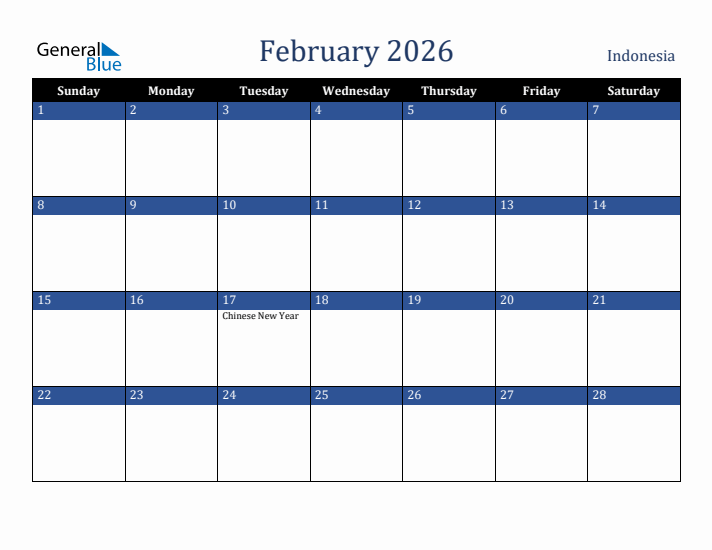
The Indonesian government has announced notable reductions in transport prices as part of its efforts to mitigate the inflationary pressures facing the country. These reductions, implemented in February 2026, come at a critical time when mobility has significantly increased in celebration of Eid al-Adha, contributing to price stability in local markets.
This move is part of the government's strategy to address the economic challenges caused by rising prices of goods and services. Reports have shown that these reductions have effectively alleviated pressures on Indonesian families, who have been struggling with the rising cost of living.
Details of the Initiative
In February 2026, the Indonesian government launched a discount program on public transport prices, including buses and trains. This program was designed to meet the needs of citizens during the Eid al-Adha period, when the demand for transport increases significantly. Data has indicated that these discounts contributed to a rise in passenger numbers by up to 30% compared to previous periods.
The Indonesian Ministry of Transportation confirmed that these measures aim to enhance economic stability in the country, as transport movement represents a fundamental part of economic activity. Officials noted that these discounts will continue for a certain period, allowing citizens to benefit from them.
Background & Context
Historically, Indonesia has faced numerous economic challenges, especially during holiday periods, when prices of goods and services tend to rise significantly. These increases have caused considerable concern among citizens, prompting the government to take swift actions to mitigate the effects of inflation. In recent years, the government has been working to improve the public transport system and provide better services to citizens, contributing to enhanced economic stability.
It is worth noting that Indonesia is not the only country facing these challenges, as many nations are experiencing similar inflationary pressures, making it essential to take proactive measures to maintain price stability.
Impact & Consequences
These discounts are considered a positive step towards achieving economic stability, as they are expected to improve the living standards of citizens. Additionally, these measures may encourage increased consumption, contributing to economic growth. The discounts are likely to have positive effects on other sectors such as tourism and trade, as they will attract more visitors and investors.
Moreover, price stability may enhance citizens' confidence in the government and increase public support for economic policies. However, the government must closely monitor the situation to ensure that no setbacks occur in the future.
Regional Significance
Indonesia's experience in dealing with inflation and transport discounts serves as a model that Arab countries can benefit from. Many Arab nations face similar economic challenges, especially under current circumstances. Arab countries could adopt similar strategies to improve public transport services and alleviate inflationary pressures on their citizens.
In conclusion, this step by the Indonesian government represents a commendable example of how to address economic crises, reflecting the importance of strategic planning and rapid response to challenges.