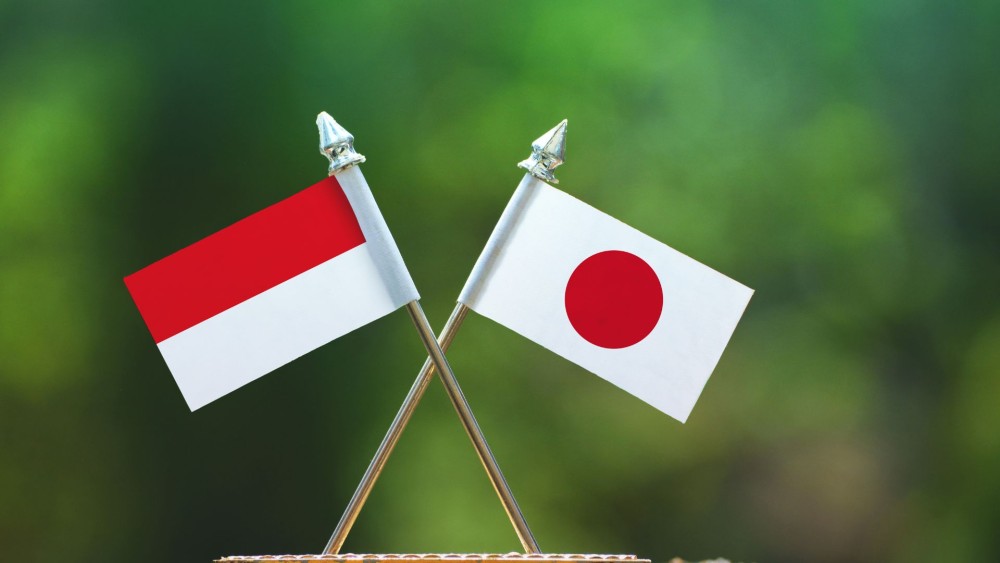
Indonesian President Prabowo Subianto urged Japan to actively engage in the development of green energy projects in Indonesia during an official meeting held on Monday, March 30. This call comes at a time when Indonesia is striving to enhance its environmental sustainability and achieve its goals of reducing carbon emissions.
During the meeting, Subianto emphasized the importance of cooperation between Indonesia and Japan in the field of renewable energy, noting that Japan possesses advanced expertise in this area, which could contribute to achieving Indonesia's ambitious goals.
Details of the Meeting
The Indonesian president met with a high-level Japanese delegation, where they discussed ways to enhance cooperation in renewable energy and clean technology. Subianto pointed out that Indonesia aims to increase the share of renewable energy in its national energy mix to 23% by 2025, a goal that requires significant investments and international collaboration.
Specific projects such as solar and wind energy were also addressed, with the Japanese side expressing interest in participating in these initiatives. Subianto confirmed that Indonesia is open to foreign investments in this vital sector, reflecting its commitment to achieving sustainable development.
Background & Context
Indonesia is one of the largest producers of natural gas and coal in the world, making it one of the biggest polluters globally. However, the Indonesian government has begun to take serious steps towards transitioning to renewable energy sources amid global pressures to reduce carbon emissions.
In recent years, Indonesia has launched several initiatives to promote the use of renewable energy, including solar and wind energy projects. Japan is considered an important strategic partner in this field, possessing advanced technologies and extensive experience in developing clean energy projects.
Impact & Consequences
If Indonesia succeeds in achieving its renewable energy goals, it will positively impact the global environment by contributing to reduced carbon emissions and improved air quality. Additionally, cooperation with Japan could open new avenues for investment in the renewable energy sector, thereby boosting the Indonesian economy.
Moreover, this collaboration could serve as a model for other countries in the region, potentially enhancing regional efforts in sustainable energy. Transitioning to green energy is not just an option; it has become an urgent necessity to address environmental challenges.
Regional Significance
As Arab countries also strive to achieve sustainable development goals, Indonesia's experience with Japan in renewable energy could serve as an inspiration. Many Arab nations possess vast natural resources, such as solar energy, enabling them to achieve a similar transformation.
Collaboration between Arab nations and developed countries in renewable energy can contribute to enhancing energy security and reducing dependence on fossil fuels, thereby supporting sustainable development in the region.