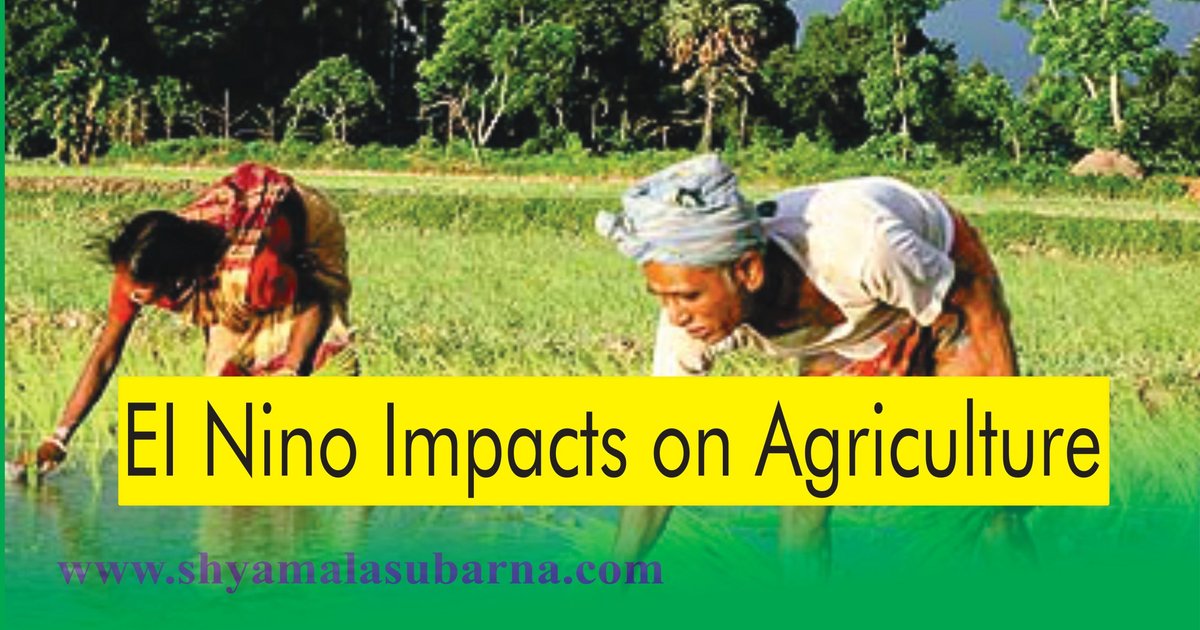
The Indonesian Ministry of Agriculture (Kementan) has issued a warning about the necessity of conserving irrigation water in the face of increasing threats from the giant El Niño phenomenon, known as "Godzilla El Niño". This extreme climatic phenomenon could lead to prolonged drought, threatening the country's food security.
The ministry expects this phenomenon to significantly impact agriculture, as irrigation is one of the essential elements in crop production. Therefore, the importance of using effective irrigation methods, such as Alternate Wetting and Drying (AWD), which aims to reduce water consumption, has been emphasized.
Details of the Situation
The warnings from the Ministry of Agriculture come at a critical time, as farmers in Indonesia face significant challenges due to climate change. The El Niño phenomenon, characterized by rising ocean temperatures, directly affects weather patterns, increasing the likelihood of drought.
According to reports, Indonesia is not the only country facing this phenomenon; many nations in the Southeast Asian region are suffering from its effects. Studies have shown that El Niño can lead to significant fluctuations in crop production, threatening food security in the region.
Background & Context
The El Niño phenomenon is not new, but it has become more severe in recent years. Historically, Indonesia has suffered from the effects of this phenomenon, but with climate change, the impacts have become more pronounced. In recent years, the country has experienced prolonged dry spells, affecting agricultural crops and leading to rising food prices.
Indonesia is considered one of the largest rice producers in the world, so any impact on rice production can have far-reaching consequences. For instance, in 2016, the El Niño phenomenon caused a significant drop in rice production, leading to price increases and negative effects on vulnerable populations.
Impact & Consequences
The giant El Niño phenomenon is expected to exacerbate the water crisis in Indonesia, placing additional pressure on farmers. If this phenomenon persists, we may witness a significant decline in crop production, which will, in turn, lead to increased food prices.
Moreover, the impact of this phenomenon is not limited to Indonesia alone; it extends to neighboring countries. Climate changes may affect regional trade flows, threatening food security across the entire region. Therefore, regional cooperation in addressing these challenges becomes essential.
Regional Significance
As Indonesia faces significant challenges due to the El Niño phenomenon, Arab countries should take lessons from this experience. Many Arab nations suffer from water scarcity, and any climatic changes could negatively impact agriculture and food production.
The El Niño phenomenon serves as a reminder that climate changes are not merely local issues but are global challenges requiring coordinated responses. Arab countries must enhance water management strategies and sustainable agricultural practices to confront future challenges.