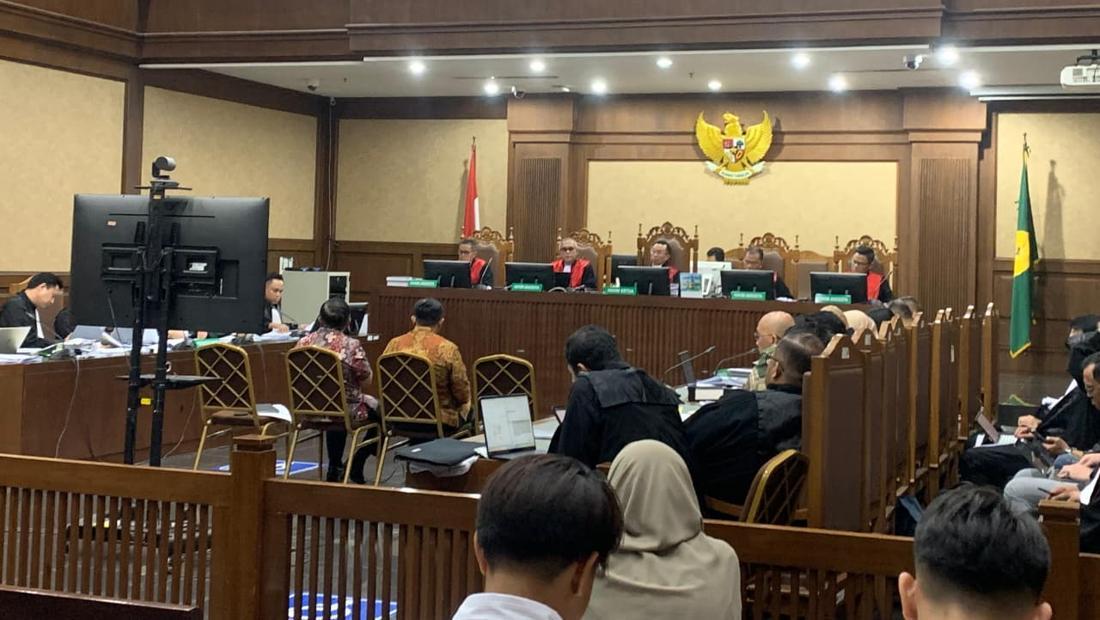
The Indonesian Anti-Corruption Commission (KPK) has summoned businessman Muhammad Suri as a witness in a corruption case concerning customs management at the Ministry of Finance. Suri, along with other businessmen including Arya Harwanto and Yohan Sugeharto, was called to appear before the commission at its headquarters in Jakarta.
This summons came after it was confirmed that Muhammad Suri is linked to a corruption case involving railway projects, where he was identified as a suspect in a bribery case related to the development and maintenance of railway lines. Recent statements from Yohanes Tanak, the Deputy Chairman of KPK, sparked controversy regarding Muhammad Suri's legal status, prompting the acting chairman of KPK, Novawi Bumolango, to emphasize the need for clarification regarding Suri's situation.
Details of the Event
On February 4, 2026, KPK conducted a raid at the customs office, resulting in the arrest of several officials, including Rizal, the head of the customs office in West Sumatra. As a result of this operation, six out of 17 individuals arrested were identified as suspects in corruption and bribery cases related to the import of counterfeit goods.
On February 26, 2026, KPK announced the addition of Budiman Bayu Prasugo, the head of the intelligence division at the customs office, to the list of suspects. New details regarding the investigations were revealed, including the seizure of 5.19 billion rupiah in five bags from a safe house in Sepotat, believed to be connected to customs-related cases.
Background & Context
Corruption issues in Indonesia are ongoing challenges that affect public trust in government institutions. The country has witnessed several corruption scandals in recent years, prompting the government to take stringent measures to combat this phenomenon. KPK, established in 2002, plays a pivotal role in these efforts, aiming to enhance transparency and accountability in public administration.
Historically, Indonesia has struggled with high levels of corruption, negatively impacting economic and social development. Numerous studies have shown that corruption hinders foreign investments and affects economic growth.
Impact & Consequences
The ramifications of this case extend beyond Indonesia, as corruption issues in developing countries raise global concerns. Corruption not only affects the local economy but also reflects negatively on countries on the international stage, potentially impacting trade and investment relations.
Current investigations may lead to changes in government policies, as the government may be compelled to take additional steps to enhance transparency and combat corruption. These issues are expected to increase pressure on government officials to improve performance and reduce corruption.
Regional Significance
Corruption and accountability issues are also significant concerns for Arab countries, many of which face similar challenges in combating corruption and enhancing transparency. The Indonesian experiences can offer valuable lessons for Arab nations seeking to improve their public administration and build trust between government and citizens.
In conclusion, corruption remains a significant challenge that requires ongoing efforts from all stakeholders, both in Indonesia and in Arab countries. Enhancing transparency and accountability is the path towards achieving sustainable development and building trust between governments and peoples.