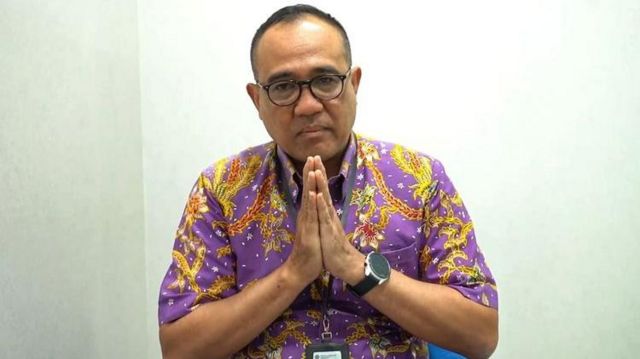
The Indonesian Corruption Eradication Commission (KPK) announced that businessman Mohammad Suri did not respond to a summons to testify in a corruption case involving the customs department on April 2, 2026. A spokesperson for the commission, Budi, stated that they will coordinate with Suri to ensure his attendance at upcoming sessions.
Budi emphasized that all information provided by witnesses is crucial for uncovering the circumstances of the case, highlighting the importance of cooperation from all parties involved.
Details of the Incident
These developments follow a large-scale arrest operation conducted by KPK on February 4, 2026, where several officials from the customs department were apprehended, including the head of the customs office in West Sumatra, Rizal. Six out of the seventeen individuals arrested have been identified as suspects in cases related to bribery and privileges concerning the importation of counterfeit goods.
Among the suspects, Rizal was identified as the director of operations and investigations in customs from 2024 until January 2026, alongside several other officials from the department. Further suspects were announced on February 26, complicating the case.
Background & Context
Corruption cases in Indonesia are complex issues that impact the economy and politics of the country. In recent years, the nation has witnessed numerous scandals involving bribery and corruption across various sectors, including customs. The KPK is intensifying its efforts to combat corruption, achieving some successes, but challenges remain.
Historically, Indonesia has suffered from high levels of corruption, affecting citizens' trust in the government. Studies have shown that corruption can lead to the loss of billions of dollars from the national economy, necessitating stringent measures to combat it.
Impact & Consequences
This case exemplifies the challenges Indonesia faces in fighting corruption. Mohammad Suri's failure to respond to the KPK summons may reflect a lack of cooperation from some businessmen, which could negatively impact the commission's efforts to investigate and uncover the truth.
If this trend continues, it could exacerbate corruption in the country, affecting both foreign and domestic investments and increasing distrust in the judicial system. It is crucial for the KPK to take effective steps to ensure justice is served.
Regional Significance
Corruption issues are of concern to many Arab countries, some of which face similar challenges. Enhancing transparency and combating corruption can contribute to improving the business environment and attracting investments. Additionally, cooperation among countries in the fight against corruption can have a positive impact on economic development.
Ultimately, it requires joint efforts from governments and civil society to ensure justice and effectively combat corruption.