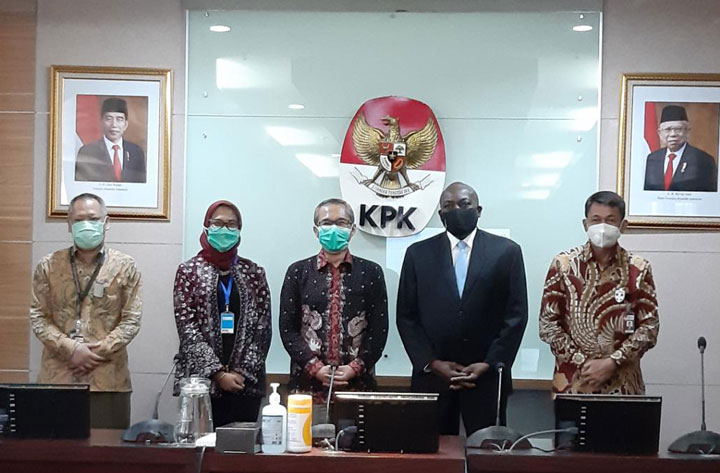
The Indonesian Corruption Eradication Commission (KPK) has announced the initiation of investigations into officials involved in the construction of a government building in Lamongan. Officials from the Housing and Public Works Office have been summoned as part of this investigation. This move comes amid extensive inquiries into corruption suspicions that date back to the period between 2017 and 2019.
Both MS, the official responsible for contract preparation at the Housing Office, and AA, the executive director of Agung Pradana Putra, have been called as witnesses in the case. The investigations took place at the KPK headquarters in Jakarta, where they were questioned about the project details and its implementation stages.
Details of the Investigation
The investigations focus on allegations of corruption in the government building project in Lamongan, with reports indicating that financial losses from this project could reach approximately 151 billion Indonesian Rupiah. The KPK officially began its investigations on September 15, 2023, after receiving information about financial irregularities.
According to official data, witness MS arrived at the KPK office at 10:09 AM, while witness AA arrived at 10:44 AM. The commission continues to gather evidence and testimonies to identify those responsible for these violations.
Background & Context
Indonesia is known to struggle with corruption in the public sector, with incidents of corruption occurring frequently across various government projects. Reports have shown that corruption costs the country billions of dollars annually, adversely affecting economic and social development.
The KPK was established in 2002 as part of the Indonesian government's efforts to combat corruption and promote transparency. Since then, the commission has investigated numerous high-profile cases, contributing to increased public awareness about the importance of fighting corruption.
Impact & Consequences
The KPK anticipates that these investigations will lead to tangible results in the fight against corruption, as it seeks to enhance public trust in government institutions. Additionally, this case may pave the way for further investigations into other government projects that may be involved in similar corruption.
If the allegations are proven true, those involved could face severe penalties, which may help deter future corruption. Furthermore, this case could impact the reputation of the Indonesian government on the international stage, as transparency and anti-corruption efforts are fundamental criteria for assessing nations.
Regional Significance
The corruption case in Indonesia serves as a model for Arab countries facing similar challenges in combating corruption. Arab nations could benefit from Indonesia's experiences in enhancing transparency and fighting corruption, contributing to improved business environments and attracting investments.
Moreover, strengthening international cooperation in anti-corruption efforts could facilitate the exchange of experiences and the development of effective strategies to address this phenomenon.