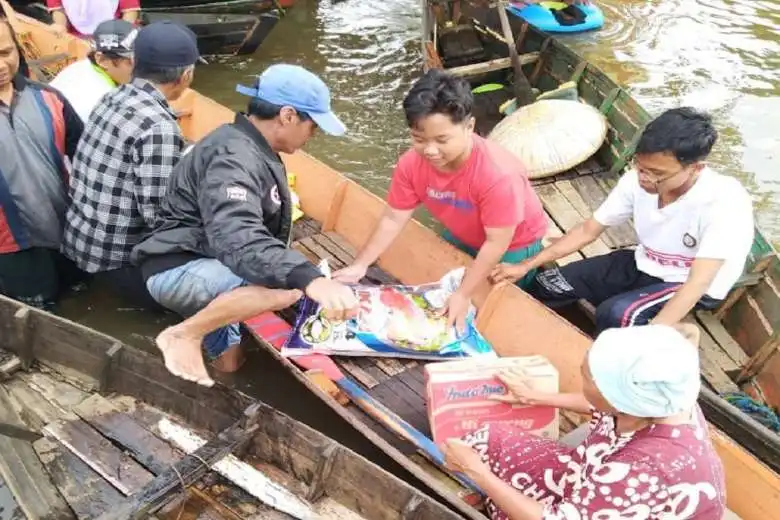
The Indonesian Armed Forces, through the head of the information center, Major General Ola Dwi Nasrullah, announced the deployment of Indonesian army units to North Sulawesi to assist the local government in addressing the aftermath of the earthquake that recently struck the region. The troops have been directed to several affected areas, including the cities of Manado and Bitung.
Nasrullah explained that the operations include evacuating victims, assessing damages, and clearing debris, in addition to providing direct assistance to the affected residents. A military unit from Battalion 131/Santiago has been deployed in Manado to help remove debris from damaged buildings, including the areas surrounding the GOR KONI Sari complex.
Details of the Relief Efforts
In the city of Manado, a military unit consisting of a joint battalion from Battalion 131/Santiago and 1309/Manado has been sent to participate in the relief efforts. Their tasks include clearing destroyed materials and assisting residents in repairing their homes that were damaged by the earthquake.
In the city of Bitung, a unit from Battalion 1310/Bitung has been deployed along with elements from Battalion 916/BS to help manage the earthquake's aftermath. The efforts in Bitung focus on addressing severe damage to homes and providing advice to residents following the occurrence of minor tsunami waves in coastal areas.
Background & Context
Indonesia is considered one of the most earthquake-prone countries due to its location on the Pacific Ring of Fire. Historically, the country has experienced numerous devastating earthquakes that have led to significant human and material losses. The recent earthquake in North Sulawesi comes amid these ongoing natural hazards, necessitating a swift and effective response from the government and military.
It is noteworthy that the Indonesian government has strengthened its capabilities in responding to natural disasters in recent years, with the armed forces trained to handle humanitarian crises and provide immediate support to those affected.
Impact & Consequences
The relief efforts undertaken by the Indonesian Armed Forces represent an important step in enhancing trust between the government and citizens. The presence of the military in affected areas reflects the government's commitment to assisting residents during crises. Additionally, these efforts may contribute to accelerating the recovery and rebuilding process, helping to restore normal life in the affected regions.
These operations are expected to help reduce the psychological and social damages that may arise from natural disasters, as residents feel strong support from the state in facing challenges.
Regional Significance
Although Indonesia is far from the Arab region, natural events such as earthquakes affect global communities in general. There may be lessons learned from Indonesia's response to natural disasters, particularly regarding enhancing cooperation between the armed forces and government and local agencies.
Furthermore, strengthening disaster response capabilities can serve as a model for Arab countries facing similar challenges, such as floods and earthquakes.