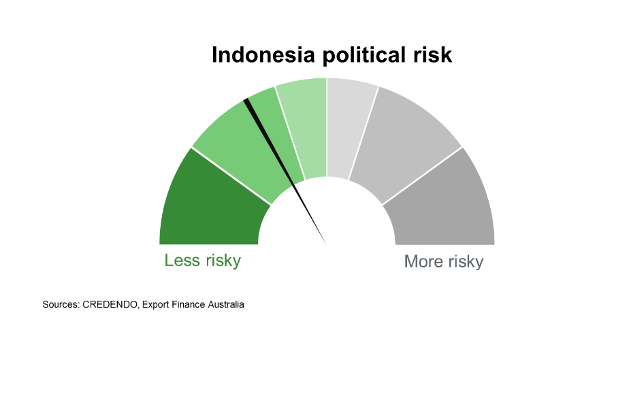
The Indonesian National Banks Association (Perbanas) has confirmed that the banking sector in Indonesia is enhancing "precautionary measures" to address the increasing geopolitical risks, particularly between Iran and Israel, which include the effects of the United States. This was stated in an official announcement by the association's president, Heri Gunardi, who noted that global conditions are moving towards increased tension, necessitating banks to take additional measures to ensure financial stability.
Gunardi explained that the banking sector still enjoys strong indicators, maintaining stable credit growth, with sufficient liquidity and strong capital. However, the association is closely monitoring the impacts of rising energy prices and fluctuations in global financial markets.
Details of the Measures Implemented
In light of these circumstances, Indonesian banks have implemented a number of precautionary measures, including conducting sectoral stress tests to enhance the early warning system, aimed at predicting any potential decline in credit quality. The focus has been on sensitive sectors such as transportation, logistics, and manufacturing, which could be significantly affected by rising energy costs.
Gunardi also emphasized the importance of improving discipline in credit granting through the adoption of risk-based pricing methods, in addition to maintaining adequate liquidity levels by enhancing the liquidity coverage ratio and the net stable funding ratio. These measures aim to ensure the banking sector continues to operate efficiently without compromising financial stability.
Background & Context
Historically, Indonesia has faced numerous economic challenges linked to geopolitical conditions. In recent years, there has been a noticeable increase in tensions among major powers, affecting global financial markets. The current geopolitical risks, especially between Iran and Israel, cast a shadow over the global economy, prompting developing countries like Indonesia to take precautionary measures to protect their economies.
Indonesia is considered one of the largest economies in Southeast Asia and plays a pivotal role in regional stability. Therefore, maintaining the stability of the banking sector is vital to ensure sustainable economic growth.
Impact & Consequences
The measures taken by Indonesian banks are expected to positively impact the local economy, as they will help bolster confidence in the financial system. However, ongoing geopolitical tensions may lead to new challenges, such as increased borrowing costs and a decline in foreign investments.
Moreover, these measures could serve as a model for other countries in the region facing similar challenges. Enhancing caution in the banking sector can contribute to greater stability in financial markets, benefiting the macroeconomy.
Regional Significance
The geopolitical risks in the Middle East, particularly between Iran and Israel, are sensitive issues that affect regional stability. Tensions in this region may impact energy prices, reflecting on the economies of Arab countries that heavily rely on oil. Thus, the actions taken by countries like Indonesia can provide important lessons for Arab nations on how to handle economic crises.
In conclusion, strengthening precautionary measures in the Indonesian banking sector represents an important step towards achieving financial stability amid changing global conditions. Other countries should take this experience into account to ensure their economic stability in the face of geopolitical challenges.